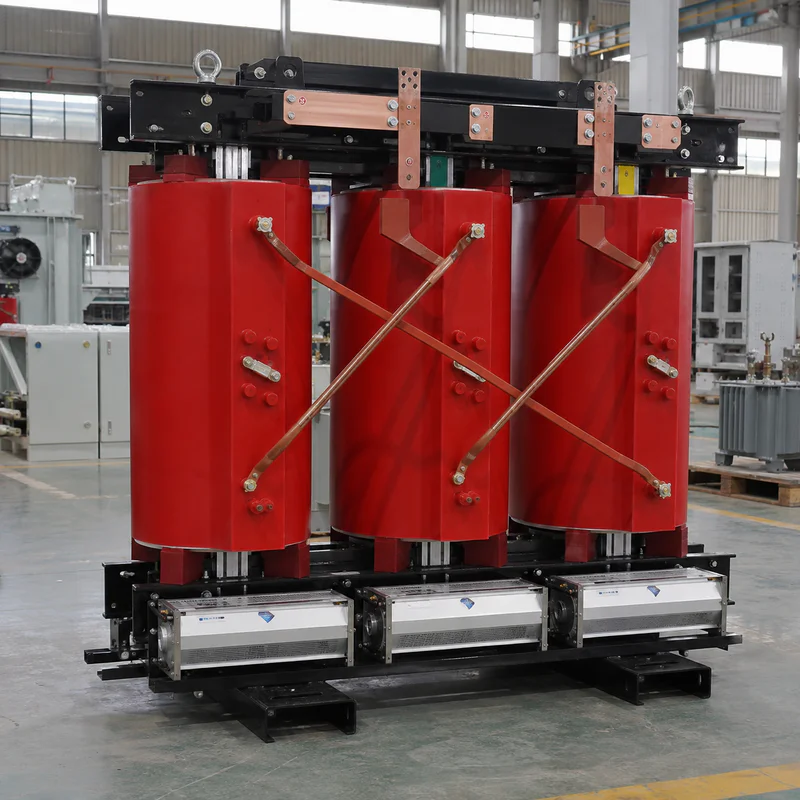
Cast Resin Dry Type Transformer
Low partial discharge, low maintenance and stable insulation for commercial buildings, hospitals, data centers, airports and public infrastructure.
Get a QuoteIEC-compliant cast resin and customized dry type transformers for indoor power distribution, commercial buildings, data centers, hospitals, industrial plants and EPC projects.
Engineered for indoor installation with low partial discharge, low noise operation, temperature monitoring and enclosure protection. Voltage, capacity, vector group, impedance, cooling method, IP rating and project documentation built to your specification for overseas delivery.
Share your single line diagram, datasheet or project requirement for technical selection support.
A China dry type transformer factory manufactures cast resin and customized dry type transformers for indoor power distribution projects such as commercial buildings, data centers, hospitals, industrial plants, airports and public infrastructure. These transformers are built for applications requiring fire safety, low noise operation, low partial discharge, temperature monitoring and reduced maintenance. Overseas buyers typically need support for IEC 60076-11 standards, enclosure protection, cooling configuration, project drawings, routine test reports and technical documentation before project approval and installation.
Our factory produces cast resin dry type transformers and customized distribution transformers for indoor electrical systems and safety-sensitive applications. Projects commonly require low noise performance, stable insulation design, temperature rise control, enclosure protection and complete engineering documents for consultant review and project approval.
Customized To Your Project
Technical support is available for EPC contractors, electrical consultants, panel builders, industrial facilities and commercial building projects.
Send Your Specification For Selection Support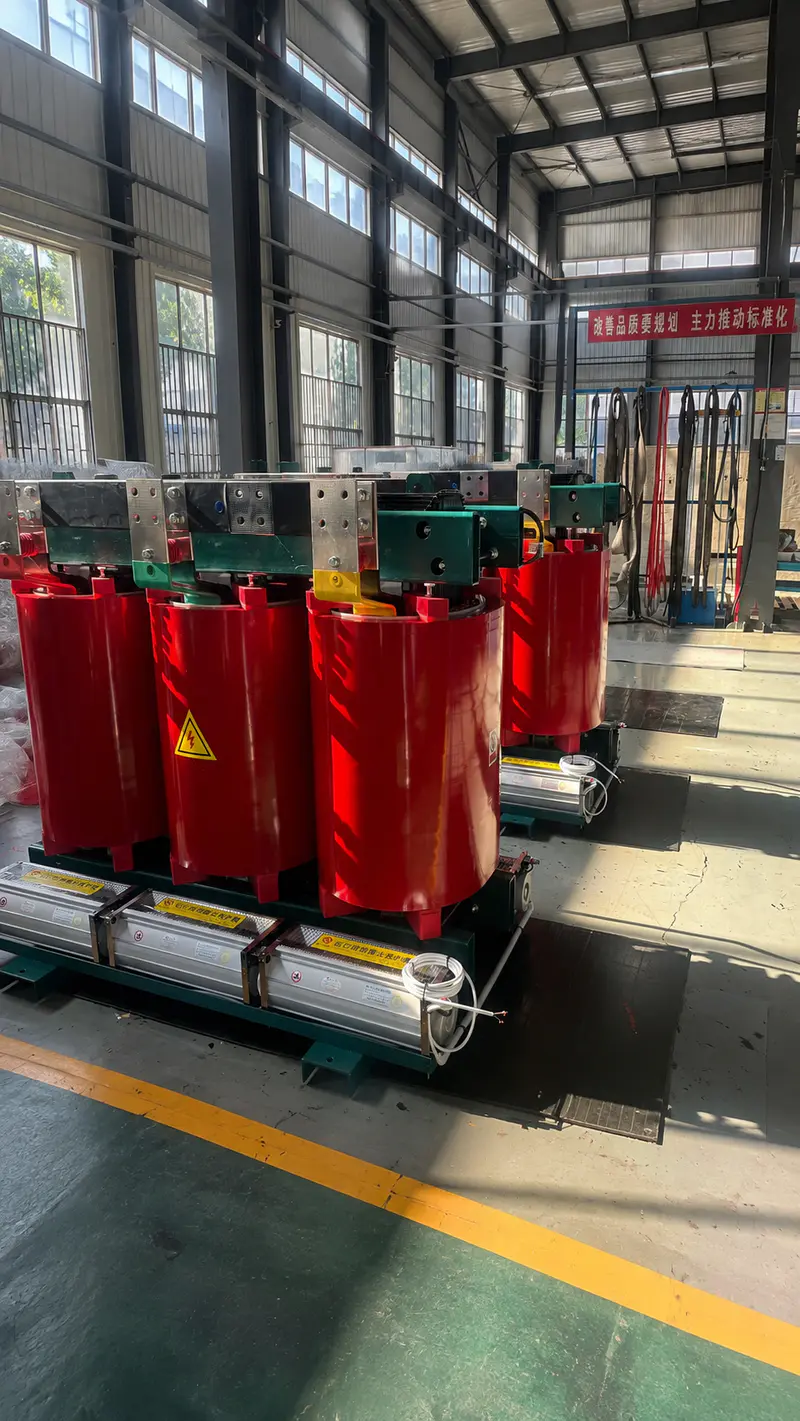
Jump straight to what matters for your project, from product range and technical design to factory testing, documentation, ordering process and FAQ.
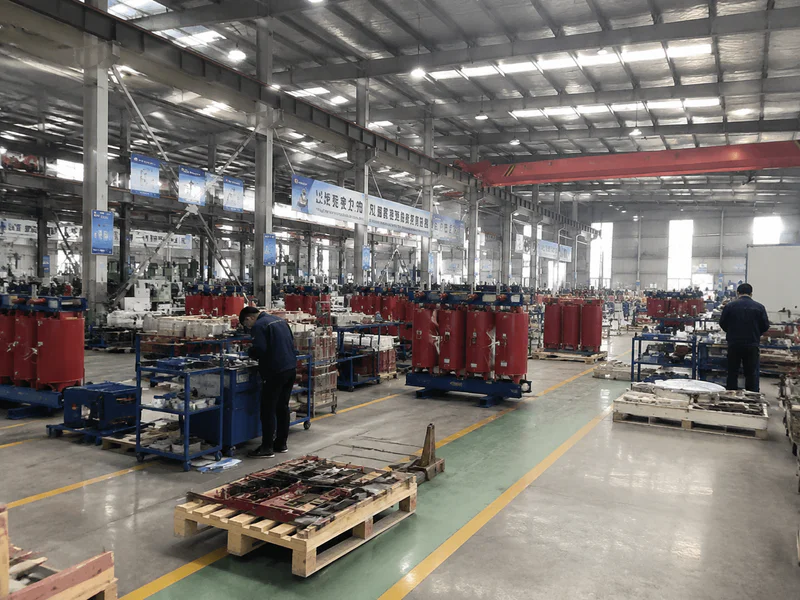
Our factory manufactures cast resin dry type transformers for indoor power distribution, commercial buildings, industrial facilities, data centers and public infrastructure projects. Production covers customized voltage ratings, capacity ranges, vector groups, impedance requirements, enclosure protection and cooling configurations based on project specifications.
Engineering support includes transformer selection, technical drawing confirmation, temperature monitoring configuration, enclosure layout, routine testing and project documentation required for overseas installation and consultant approval.
Capacity, voltage class and manufacturing depth to match the requirements of your single line diagram and project datasheet.
15+
Years Manufacturing
Dedicated dry type transformer production for indoor and project-grade applications.
20, 000 kVA
Maximum Capacity
From compact distribution units up to large single-unit project transformers.
500 kV
Voltage Class
Primary voltage built to your vector group, impedance and cooling requirement.
Six core product lines, each built to your voltage, capacity, vector group, cooling method and enclosure requirement.
Swipe to explore
Low partial discharge, low maintenance and stable insulation for commercial buildings, hospitals, data centers, airports and public infrastructure.
Get a QuoteFor indoor substations, electrical rooms and industrial power systems, with customized voltage ratio, vector group, impedance, cooling method and installation layout.
Get a QuoteCore and clamping design configured to cut vibration and operating noise for hotels, hospitals, offices and residential complexes with noise-sensitive electrical rooms.
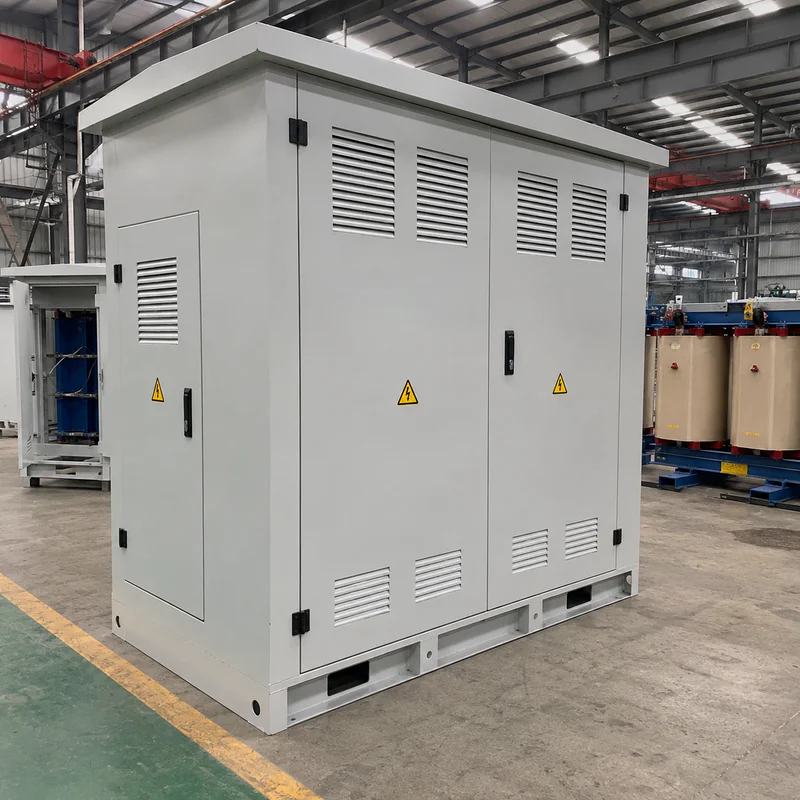
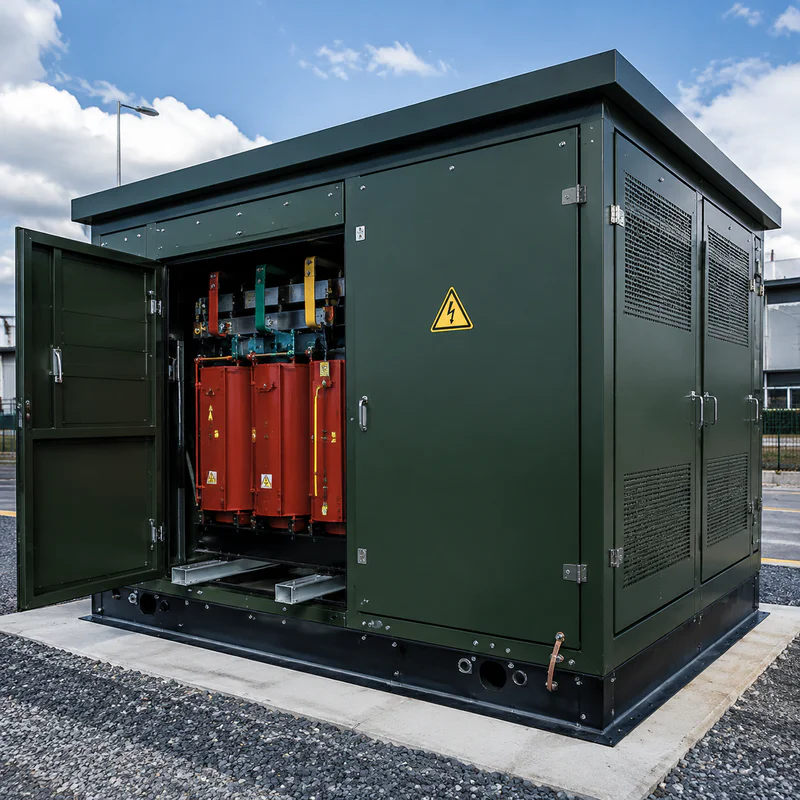
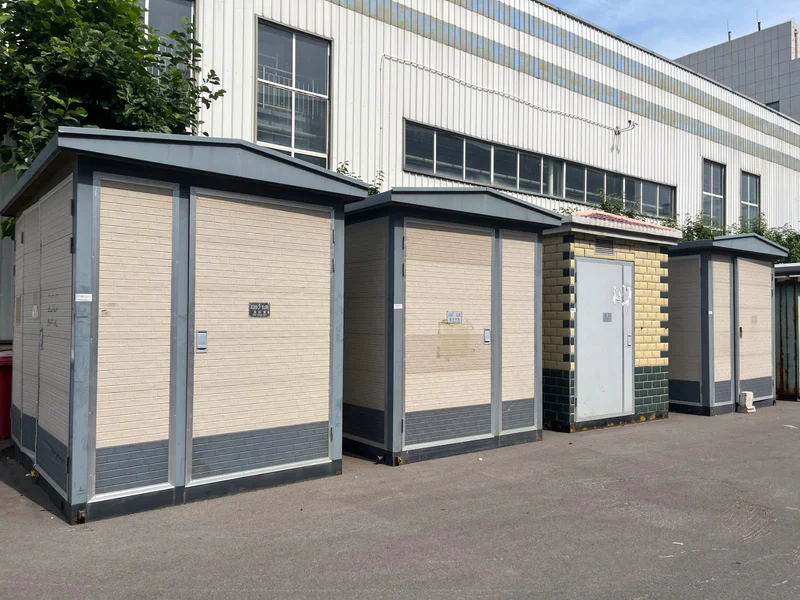
Get a QuoteIP-rated enclosure options for personnel protection, dust prevention and controlled ventilation, with custom cable entry direction, airflow layout and installation footprint.
Get a QuoteThermal and cooling design reviewed for UPS systems, inverters, VFDs and rectifiers, matched to your project load profile and operating environment.
Get a QuoteManufactured to your full specification: capacity, voltage, impedance, vector group, enclosure, temperature monitoring and cooling, for overseas EPC and industrial projects.
Send Your SpecificationFinal transformer parameters are confirmed against IEC 60076-11, your single line diagram and project datasheet before production. Capacity, voltage class, vector group, impedance, cooling method and enclosure rating are reviewed for the actual installation environment, so the unit delivered matches consultant approval and on-site conditions.
Configured for the operating conditions, safety requirements and documentation of your specific project type.
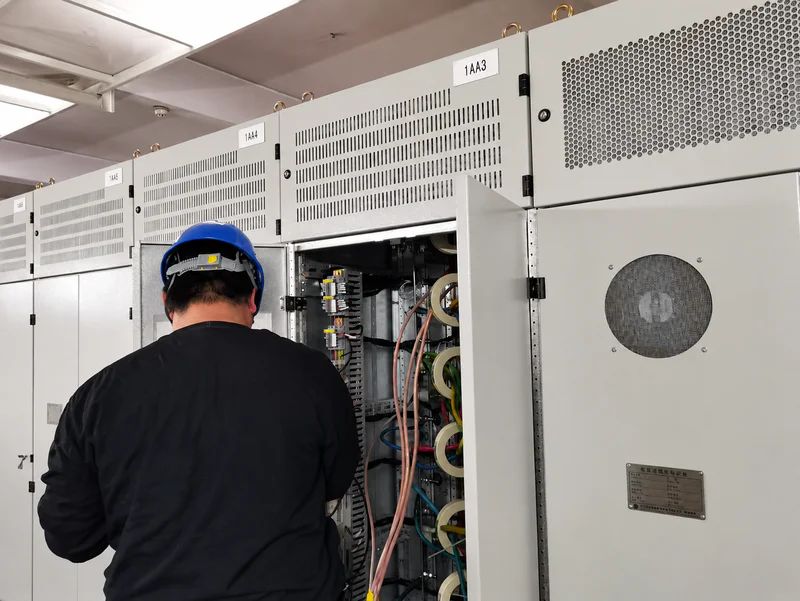
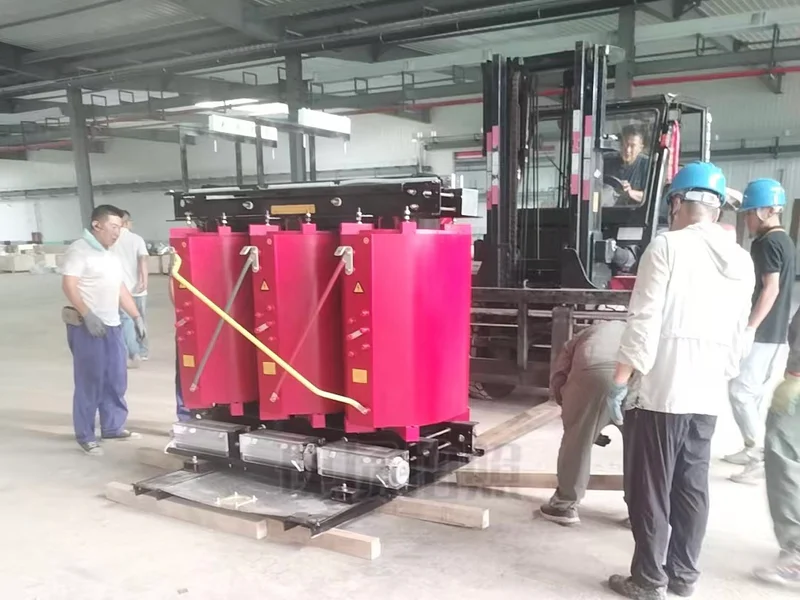
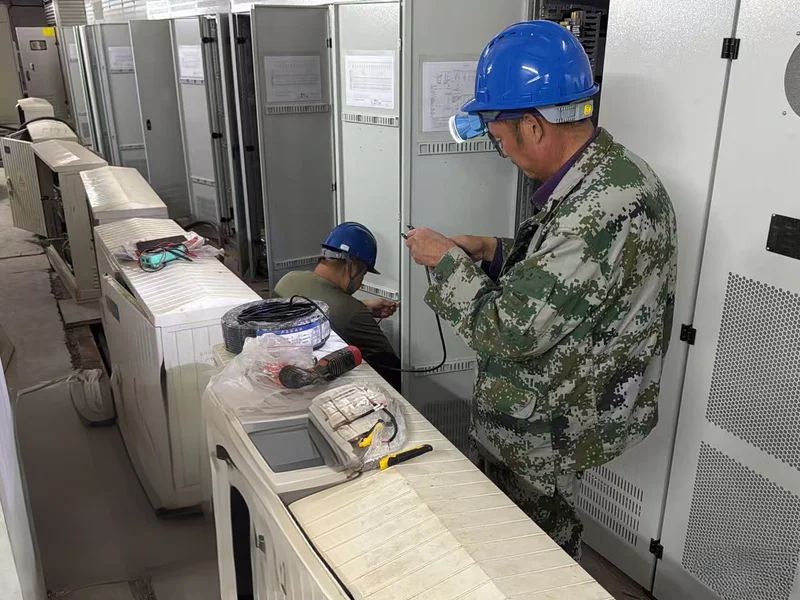
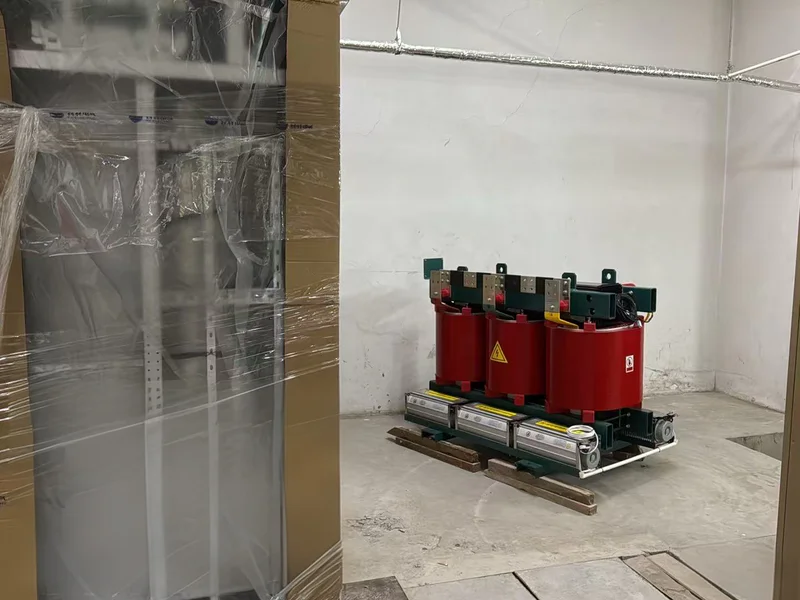
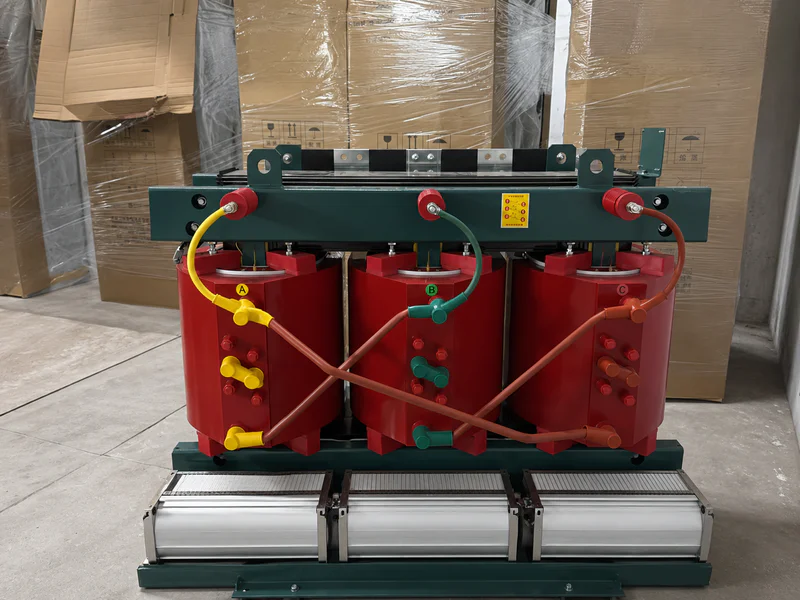
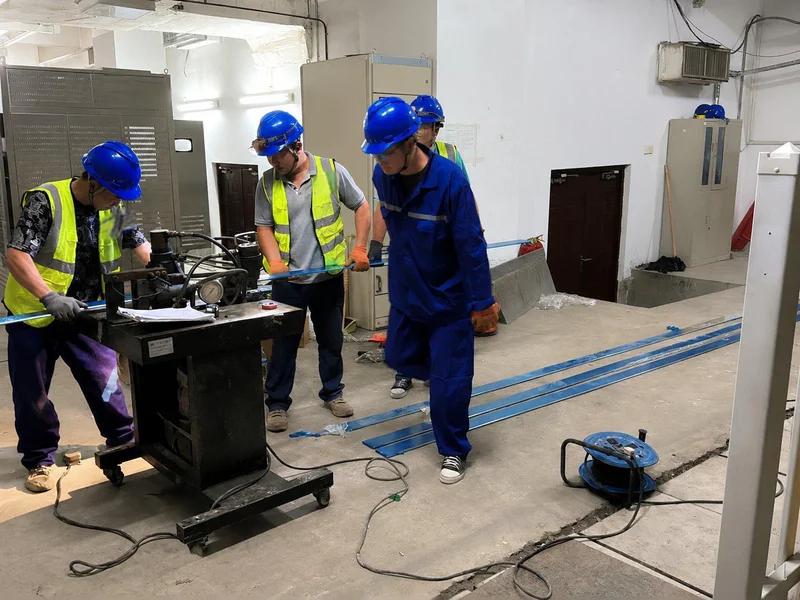
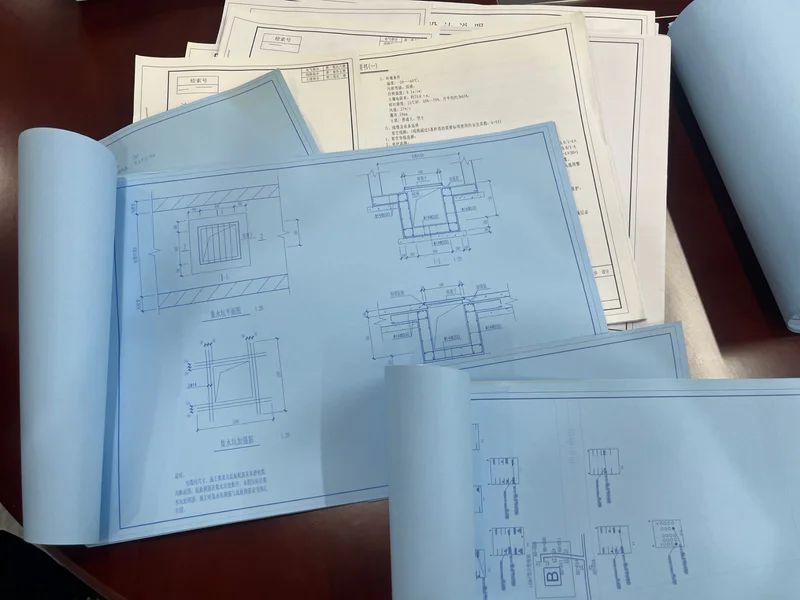
Transformers are built to your project's electrical requirements, confirmed against IEC standards, and delivered on a 60 to 90 day production cycle with the documentation your consultant and EPC team need for approval.
Standard production runs 60 to 90 days from drawing approval to ex-works, against the 4 to 6 months quoted by most suppliers on comparable ratings. Core, winding and enclosure fabrication are handled in-house, so scheduling does not depend on outside workshops. Your commissioning date stays on the programme instead of driving change orders.
Transformers are built to your project's electrical requirements rather than fixed standard models. Voltage ratio, vector group, impedance, enclosure rating, cooling method, temperature monitoring and installation layout are confirmed before production starts.
Support through consultant approval, electrical design review and equipment confirmation. Datasheets, GA drawings, wiring diagrams, enclosure layouts and routine test reports reduce delays during submission and approval.
Production is adjusted to the installation environment, electrical room space, harmonic loads and local operating conditions, covering ventilation, noise limits, enclosure protection levels and cable entry arrangements.
Many projects require compliance with IEC standards, project specifications and consultant requirements before procurement approval. Technical confirmation before manufacturing reduces installation mismatch, modification work and commissioning risks on site.
Accurate configuration, installation compatibility and complete documentation reduce added costs from redesign, parameter mismatch, installation changes and incomplete technical submissions.
Parameters, installation drawings and operating requirements are reviewed before manufacturing to reduce errors in voltage selection, impedance configuration, enclosure dimensions, cooling arrangement and cable connection layout.
Nine controlled stages from technical review to shipment, each confirmed against your project specification.
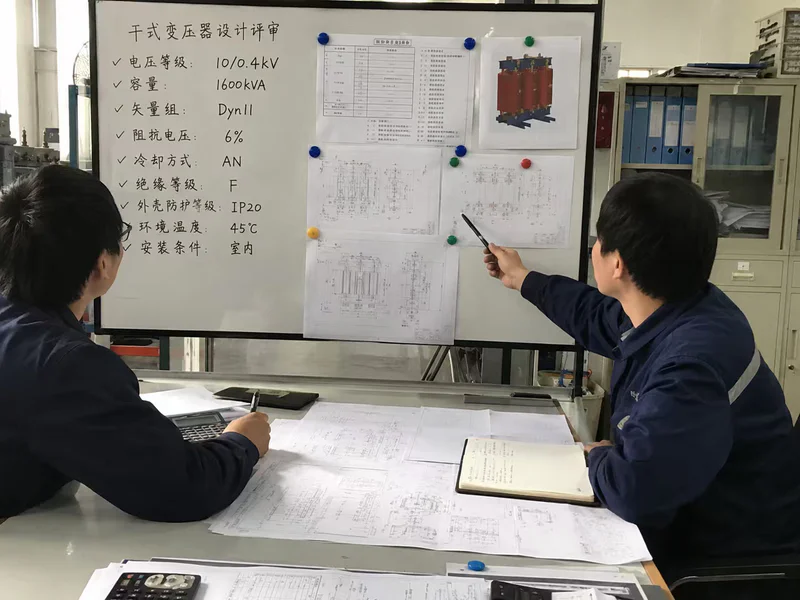 01
01
Voltage, capacity, vector group, impedance, cooling method, insulation class, enclosure rating, ambient temperature and installation conditions are locked in before production.
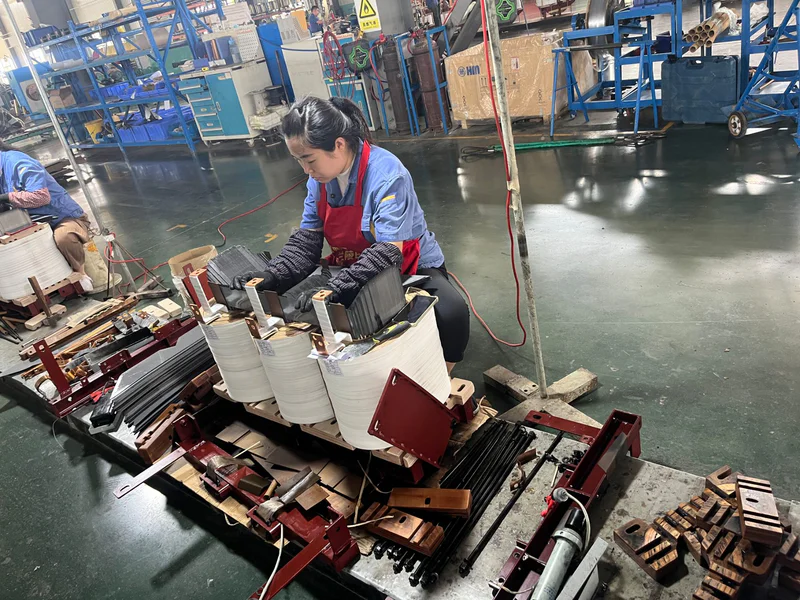 02
02
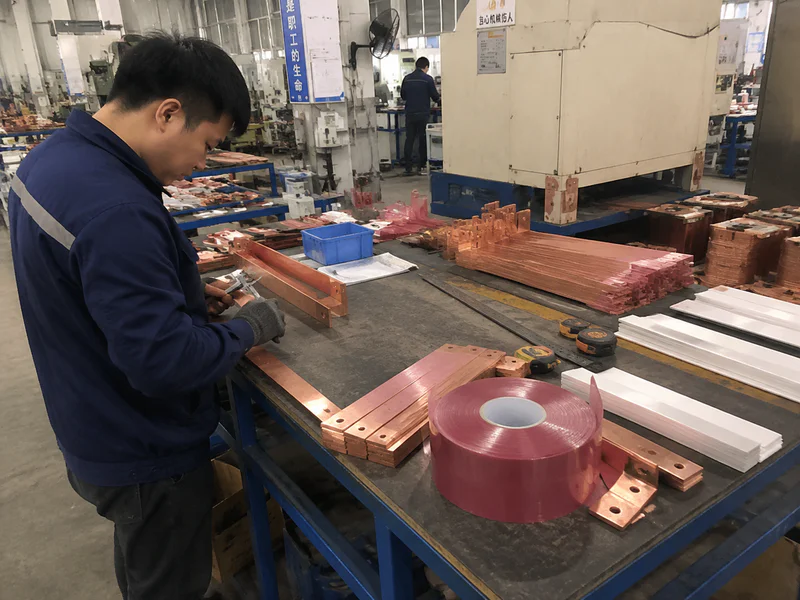
Silicon steel sheets are cut and stacked to form the core. The core design directly controls no-load loss, vibration and operating noise.
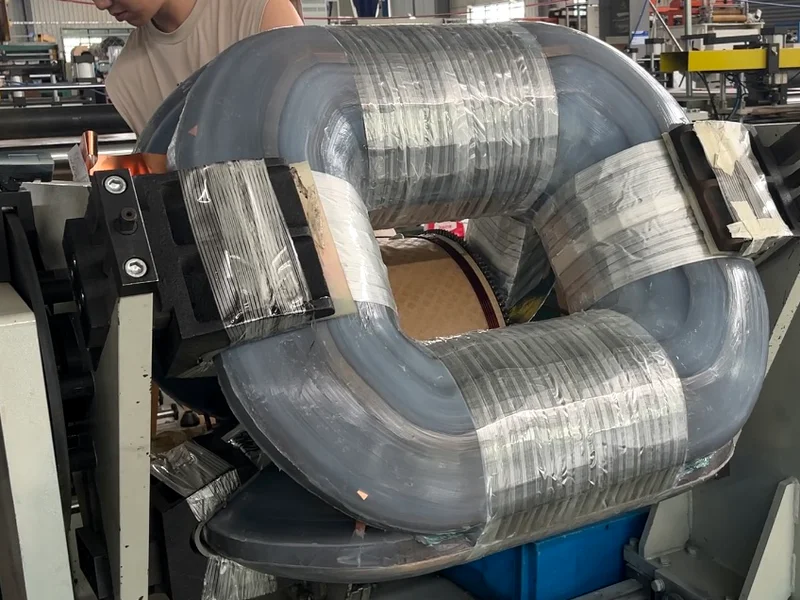 03
03
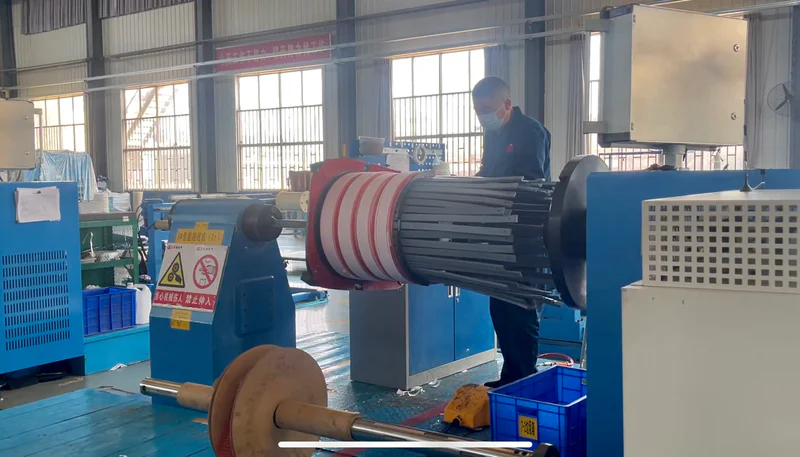
Low voltage windings are built to the current rating, thermal load and short-circuit strength the project demands.
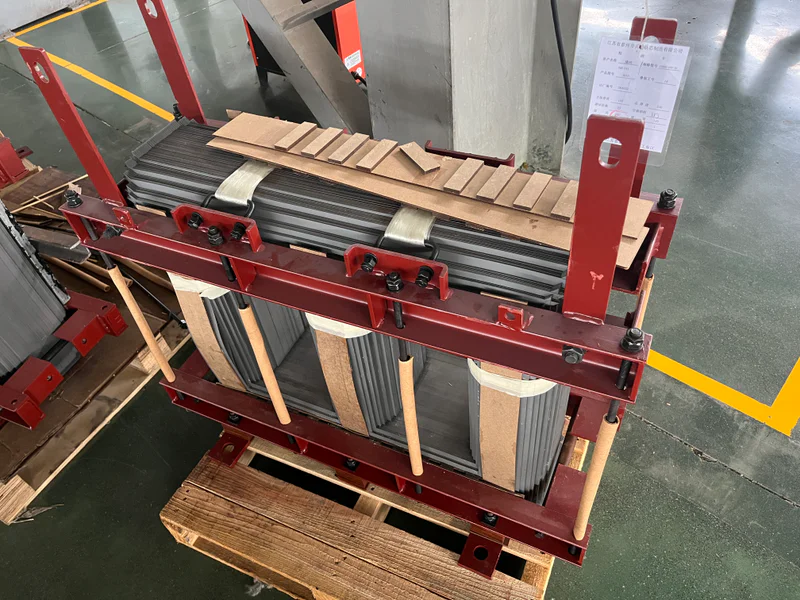 04
04
High voltage windings use a controlled insulation structure to hold dielectric strength, temperature rise performance and long-term reliability.
 05
05
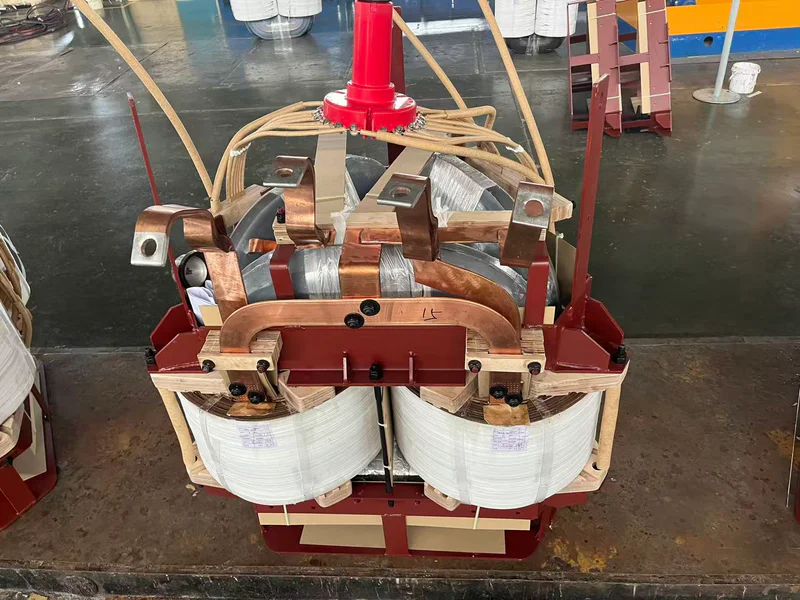
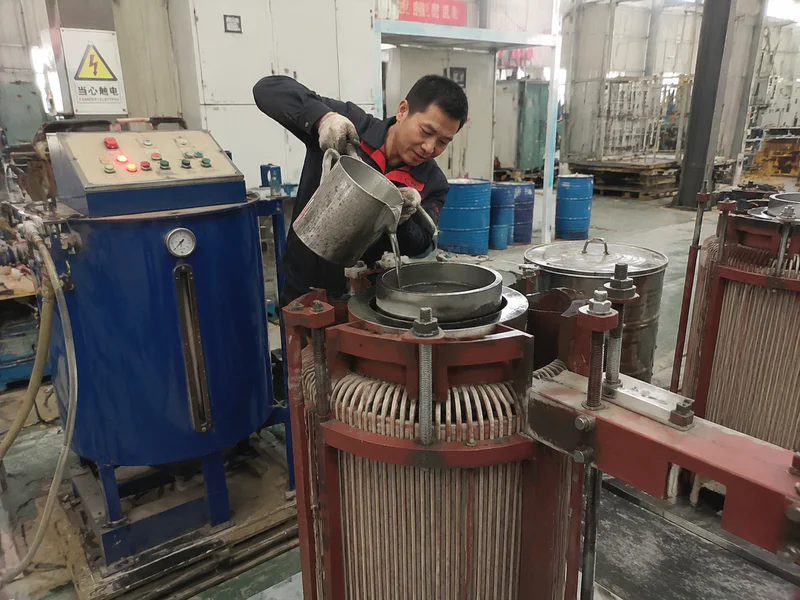
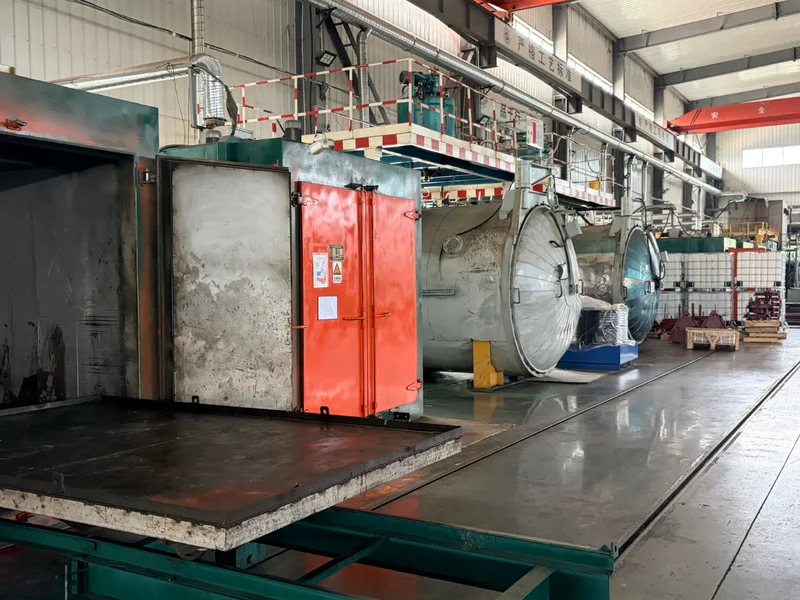
For cast resin units, epoxy is cast under vacuum to reduce internal voids and stabilize insulation, then cured under controlled process conditions.
 06
06
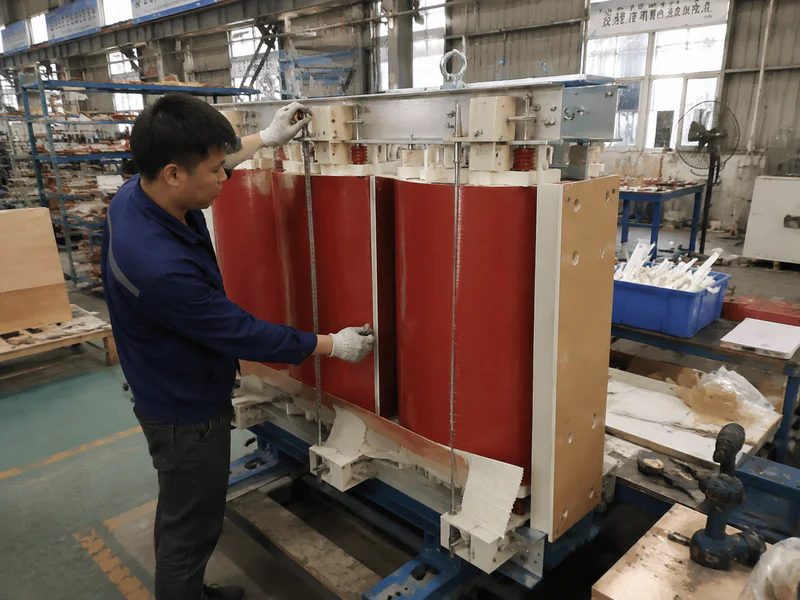
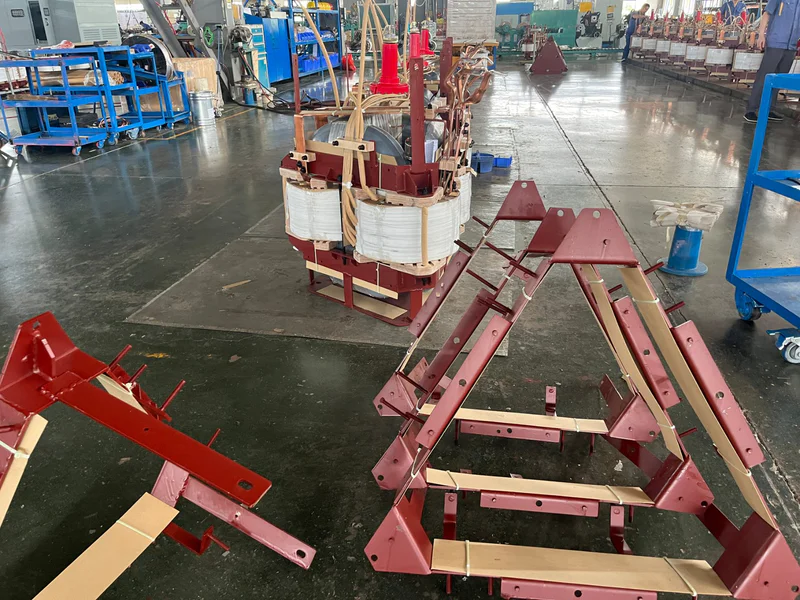
Cured coils are assembled with the core, insulation parts, clamps and supports. Mechanical strength and electrical clearances are checked during assembly.
 07
07
IP enclosure, ventilation louvers, cooling fans, temperature sensors, controller, alarm contacts and cable entry are fitted to the confirmed project design.
 08
08
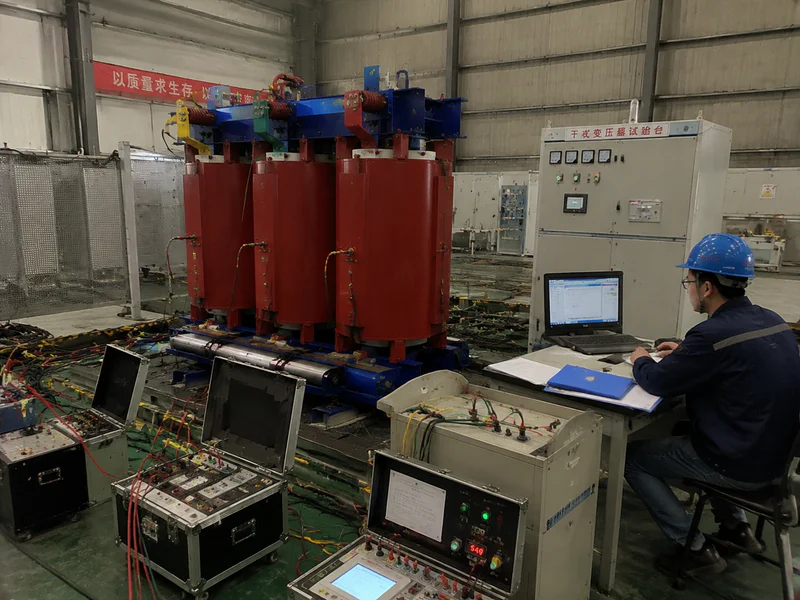
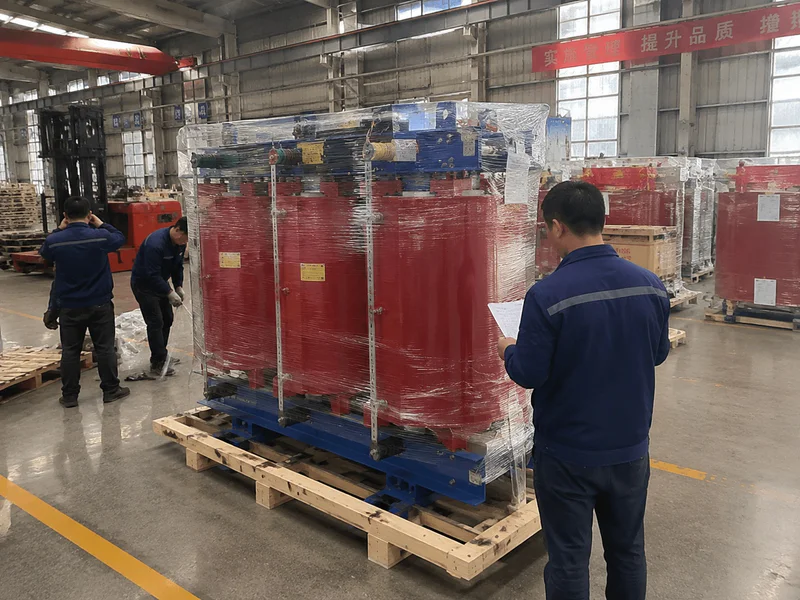
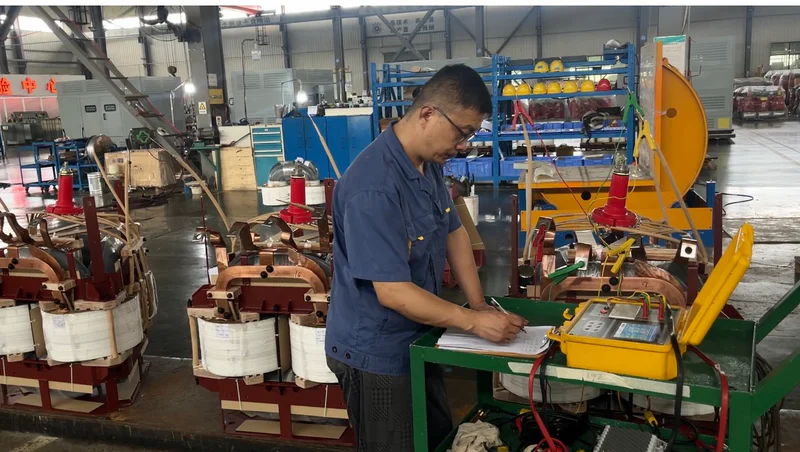
Every unit is tested before delivery: ratio, vector group, winding resistance, insulation, no-load and load loss, impedance and withstand voltage. PD, temperature rise, impulse and noise tests arranged on request.
 09
09
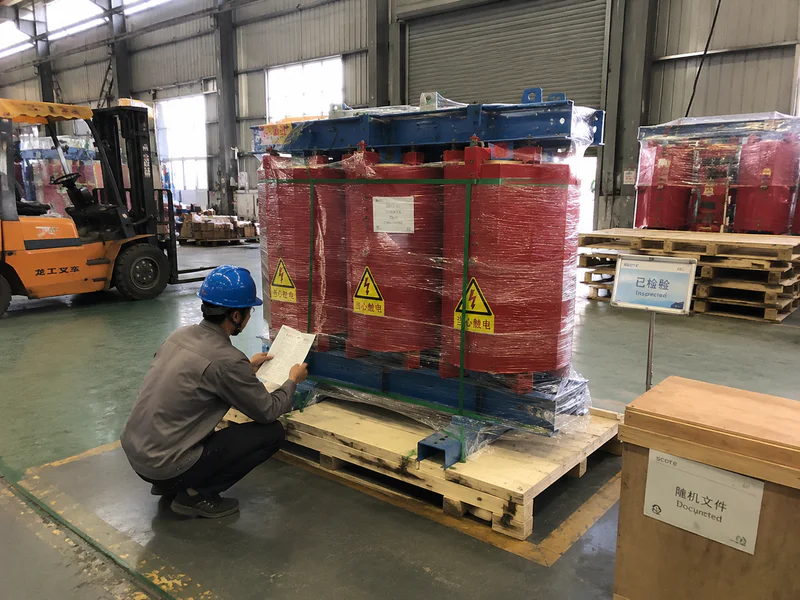
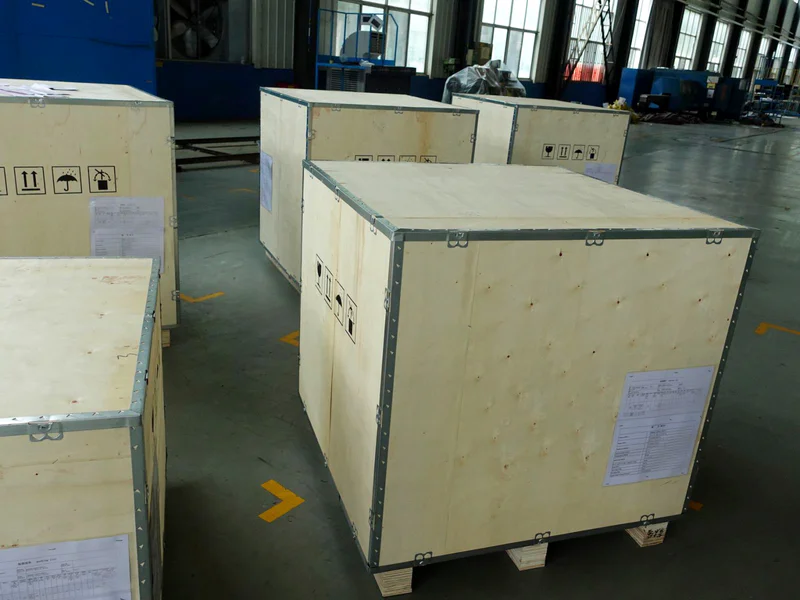
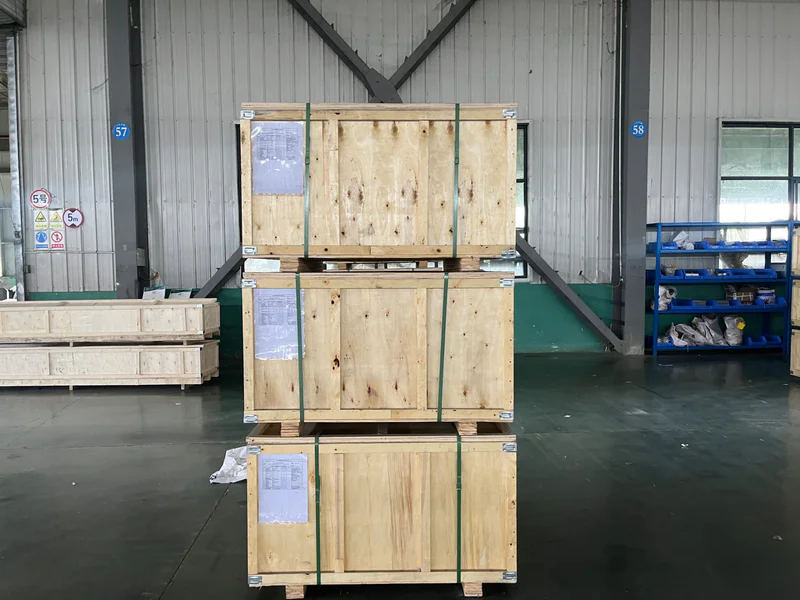
Coils, enclosure, accessories and documents are protected for transit. Drawings, test reports and operation documents ship with the unit.
Each stage runs against your confirmed single line diagram and datasheet. Send your project requirement and our engineering team reviews voltage, capacity, vector group, impedance, cooling and enclosure before manufacturing starts, so the unit delivered matches site conditions and consultant approval.
Partial discharge control is a key factor in insulation reliability and long-term stability for cast resin dry type transformers. High PD activity accelerates insulation aging, raises thermal stress and shortens service life under continuous operation, so it is controlled from casting through to testing.
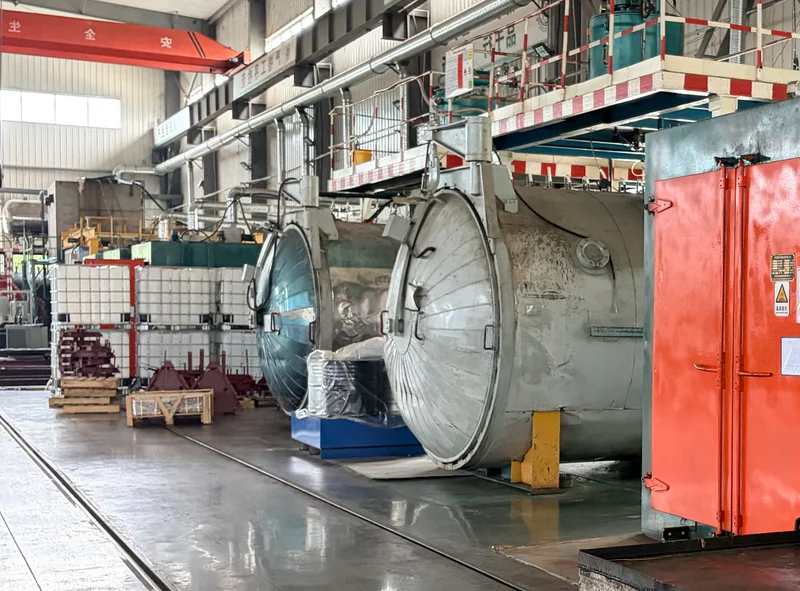
High voltage coils are cast under vacuum to reduce internal air gaps and voids inside the epoxy resin insulation structure. Controlled casting conditions improve insulation consistency and dielectric performance across the coil.
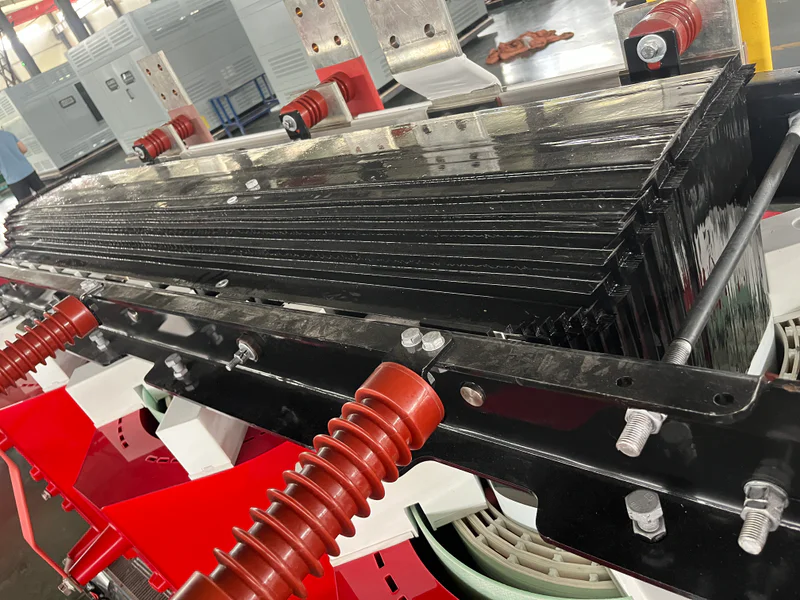
Cast resin insulation provides stable electrical insulation, mechanical strength and thermal resistance for indoor distribution systems running under continuous load conditions.
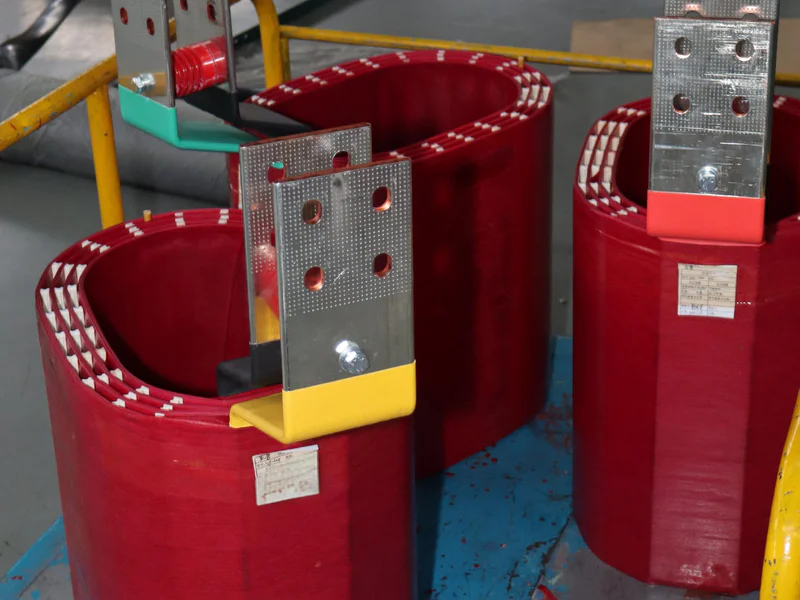
Insulation structure, conductor arrangement and winding spacing are configured to voltage class, impulse withstand requirements and electrical clearances, supporting stable operation under IEC design conditions.
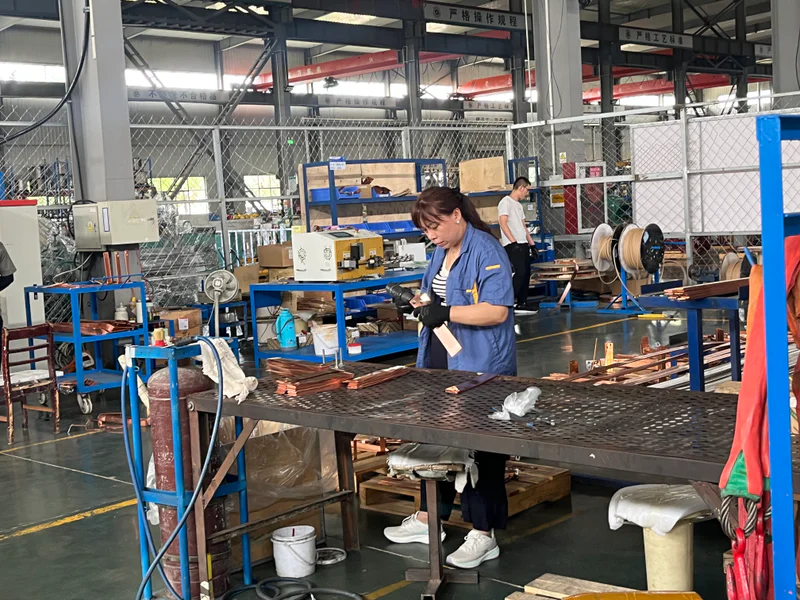
Mixing ratio, temperature control and curing conditions directly affect insulation stability and mechanical performance. Controlled curing reduces internal stress and insulation defects during operation.
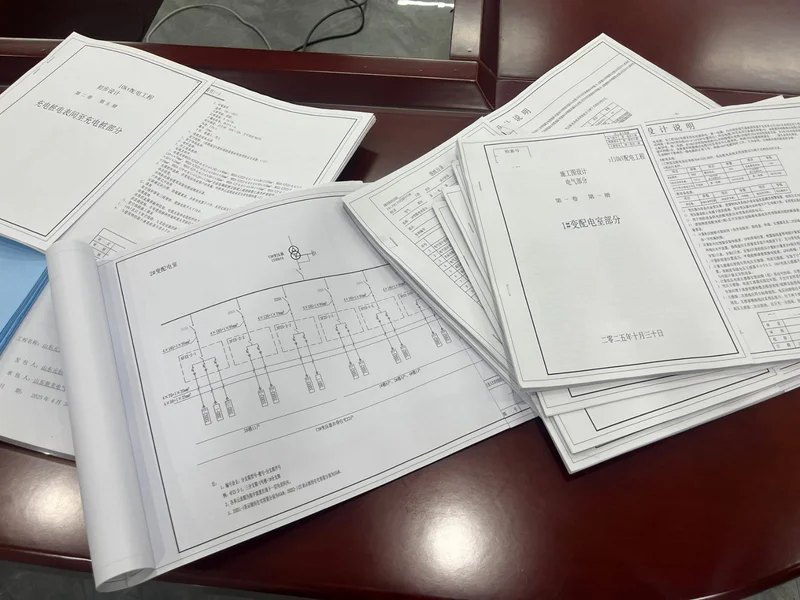
PD levels are verified against project specifications and applicable IEC testing requirements. PD testing confirms insulation condition before delivery and installation.
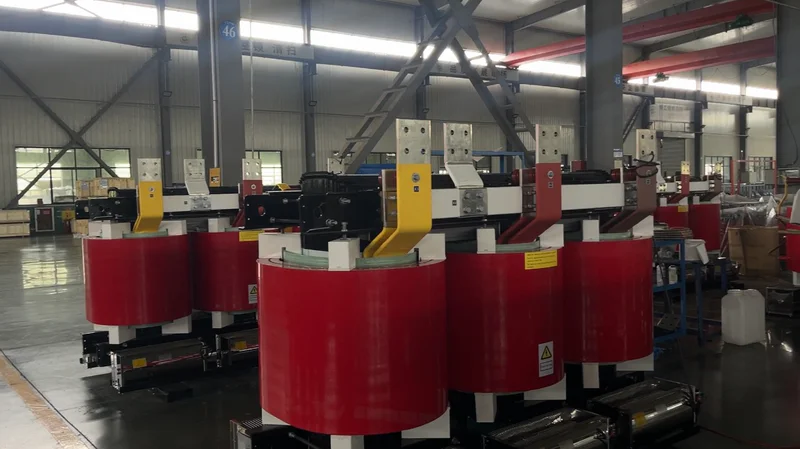
Transformers in commercial buildings, hospitals, data centers and industrial facilities need stable insulation under thermal cycling, continuous load and indoor environmental conditions.
Partial discharge levels are measured and recorded on the routine test report before delivery, with the acceptance limit set to your project specification or the applicable IEC 60076-11 requirement. Share the PD value your consultant requires and it is confirmed against the unit during factory testing.
Configured to your load profile, ambient temperature and electrical room layout, so heat is managed for stable long-term operation.
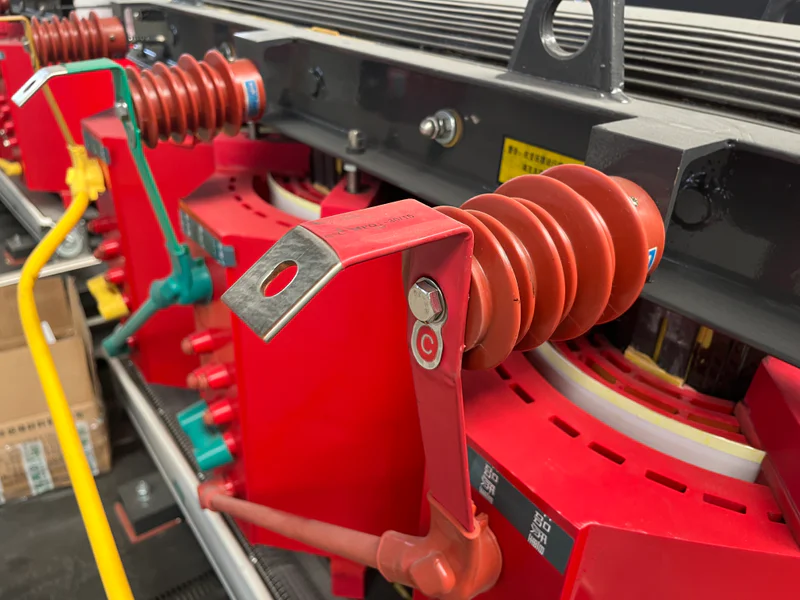 1
1
Indoor units often run in electrical rooms with limited heat dissipation space, where temperature rise drives insulation aging and load performance. Configuration is reviewed against your load condition, ambient temperature and installation space before production.
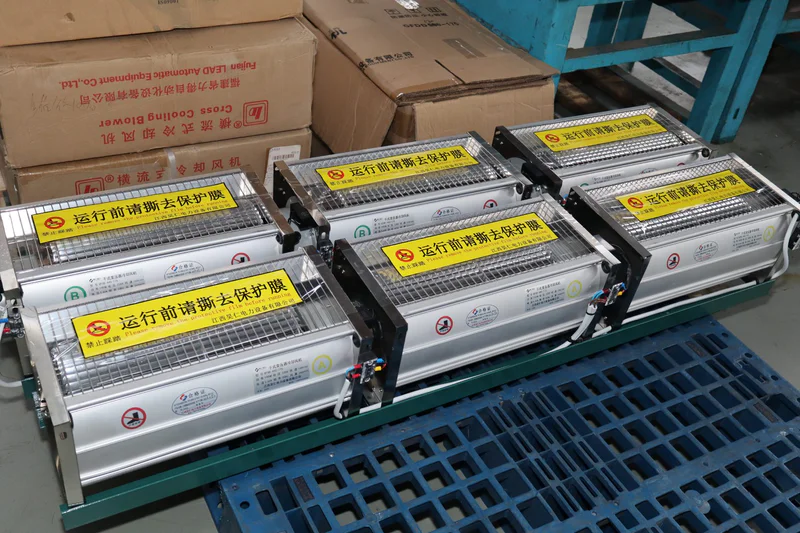
Get a Factory QuoteInsufficient airflow is a common cause of overheating in indoor transformer rooms. Enclosure structure, airflow direction and installation clearance are configured to your room layout so heat dissipates effectively during operation.
Get a Factory Quote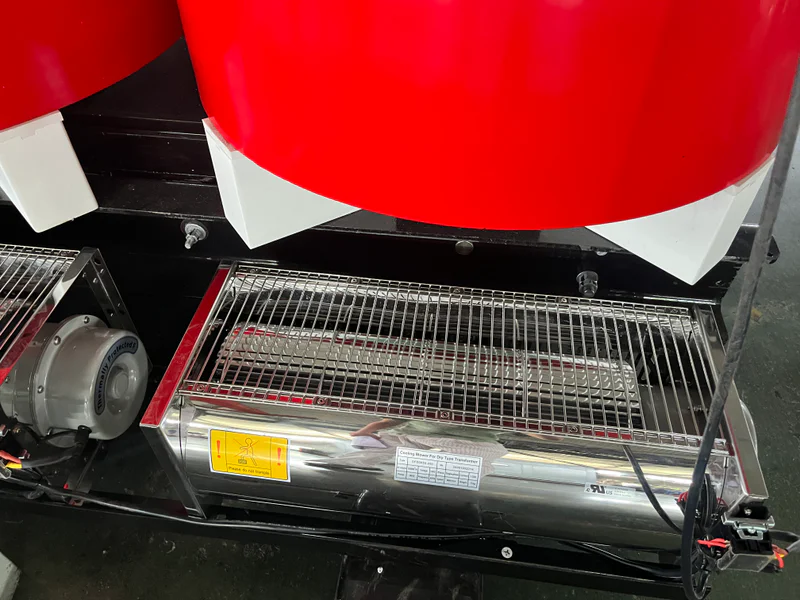 2
2
 3
3
Units are configured with natural air cooling (AN) or forced air cooling (AF) to match load profile, operating temperature and installation conditions. Temperature monitoring, fan control, alarm signals and thermal protection are integrated for projects needing continuous monitoring.
Get a Factory QuoteUnits in hospitals, offices, hotels, residential projects and public facilities often run close to occupied areas, where noise affects working environments and project acceptance. Low noise configurations are selected to your installation environment and noise limits.
Discuss Noise LimitsOperating noise is tied to core vibration and structural resonance. Core clamping, assembly stability and enclosure arrangement are configured to reduce vibration transmission and operating noise under continuous load.
Review Core DesignRequired noise levels vary with electrical room location and surroundings. Noise requirements are reviewed during technical confirmation, and configuration, enclosure and cooling structure are adjusted to your operating conditions before production.
Confirm RequirementsFor hospitals, hotels, offices and residential developments, transformer noise is part of project acceptance. Core, enclosure and cooling are configured to meet the noise limit your project sets.
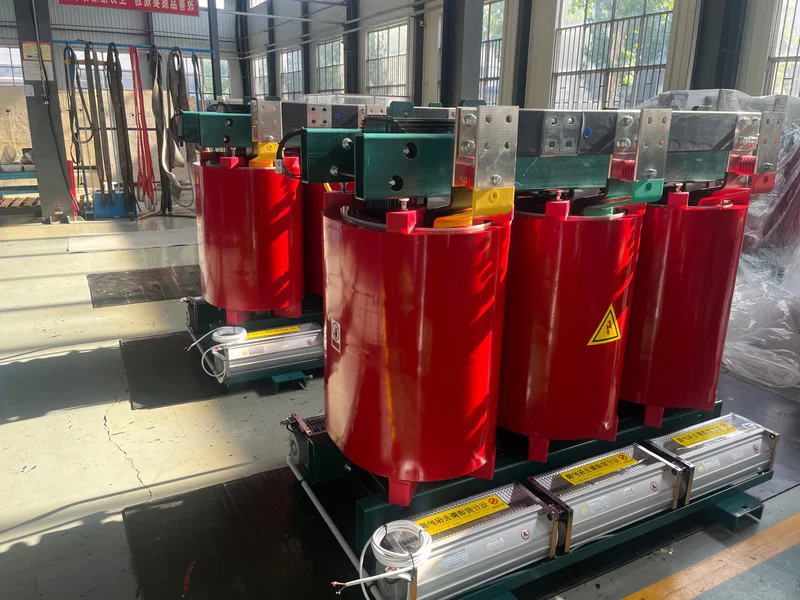
Send your project noise limit and we confirm the configuration before production
Send Your SpecificationProtection level, cable layout and ventilation configured together for your installation environment and site conditions.
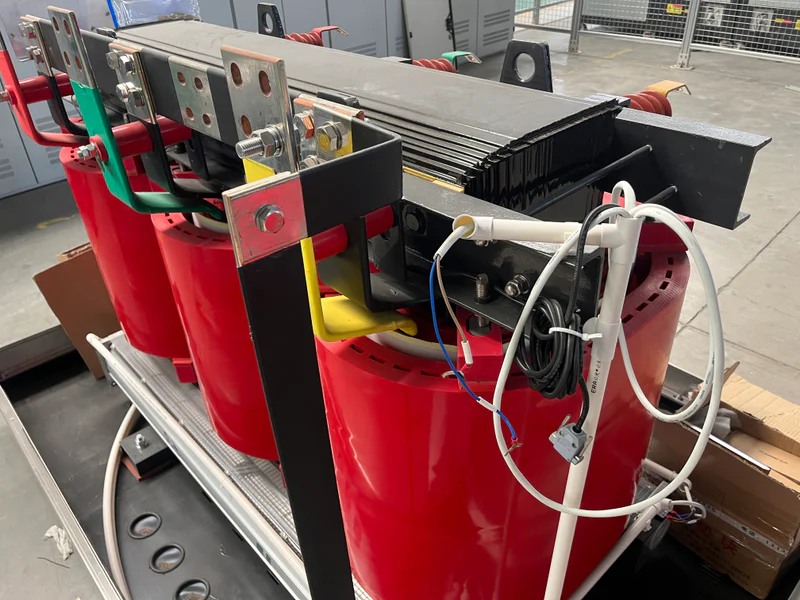
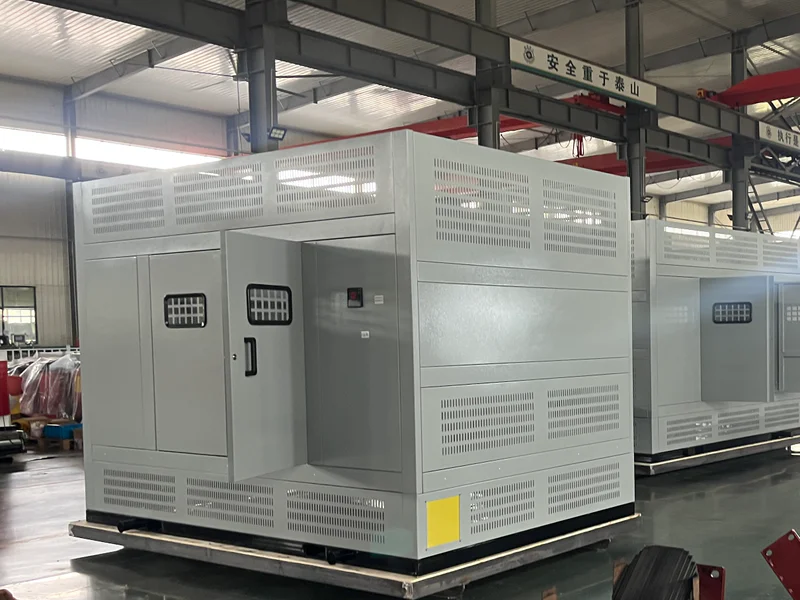
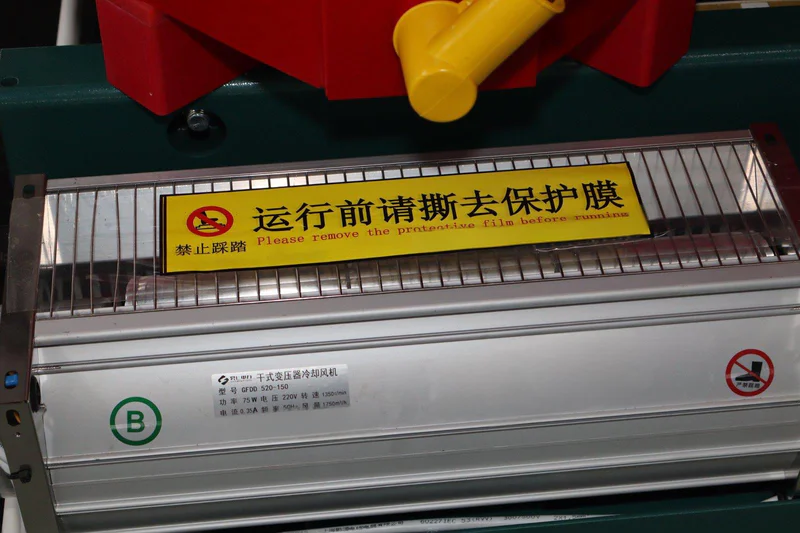
Every unit is tested before shipment, with additional verification and full documentation arranged to your project and consultant requirements.
Electrical performance, wiring accuracy and operating condition verified on every unit per applicable testing requirements.
Extra verification for insulation, temperature rise or indoor operating conditions, arranged to your specification and consultant requirements.
Reports and technical documents supplied for project submission, consultant review and installation confirmation before shipment.
Tell us which tests your consultant requires and we confirm them during factory testing, then supply the routine test report, datasheet and supporting documents for project submission. Verification happens before delivery, not after the unit reaches site.
Twelve parameters configured to your project, from capacity and voltage to monitoring, enclosure and documentation.
Configured to your load demand, operating condition and project distribution requirements.
Voltage ratio customized to utility supply conditions, system design and application.
Selected to system connection requirements and power distribution design.
Adjusted for short-circuit current control, parallel operation and project requirements.
AN natural air or AF forced air cooling, selected by loading and operating environment.
IP enclosure customized to indoor conditions, dust exposure and personnel protection.
Low noise configurations reviewed to installation location and project noise limits.
PT100 sensors, controllers, fan control, alarm signals and trip contacts integrated.
Top or bottom entry, terminal direction and layout set to space and cable routing.
Reviewed for ambient temperature, altitude, humidity and indoor ventilation.
Thermal and cooling design adjusted for UPS, VFD, inverter and harmonic loads.
Datasheets, GA drawings, wiring diagrams, test reports and submission documents.
The risks that affect indoor transformers over time, set against how each is addressed during configuration and testing before production.
| The Concern | How We Help |
|---|---|
| Overheating in Indoor Electrical Rooms Limited ventilation, high ambient temperature and continuous loading raise operating temperature and shorten insulation life over time. | Cooling method, ventilation arrangement and temperature monitoring are reviewed against your installation environment before production. |
| Excessive Operating Noise Rooms near offices, hospitals, commercial areas or public spaces often face strict noise limits during operation. | Low noise configuration, vibration reduction structure and enclosure arrangement are selected to your location and noise requirement. |
| Insulation Aging and Partial Discharge Unstable insulation and excessive partial discharge affect long-term reliability in continuous indoor operation. | Vacuum casting, insulation structure control and PD testing are applied to project specifications and operating conditions. |
| Dust, Humidity and Indoor Environment Indoor installations may face dust, humidity, airflow limits or restricted maintenance access. | Enclosure protection, ventilation structure and installation configuration are adjusted to your site conditions. |
| Monitoring and Thermal Protection Continuous-operation projects need temperature monitoring and protection for operating supervision and fault prevention. | PT100 sensors, controllers, fan control, alarm signals and trip contacts are integrated to your monitoring requirement. |
| Installation Compatibility Issues arise when dimensions, cable routing or enclosure layout do not match actual site conditions. | Drawings, installation layout confirmation and cable entry configuration are reviewed before manufacturing to cut on-site modification. |
Send your installation environment, load condition and noise or monitoring requirements, and the cooling, enclosure, insulation and layout are confirmed before manufacturing starts. Addressing these during configuration is far cheaper than modification work after the unit reaches site.
The full technical document set your consultant, EPC team and site crew need, prepared to your submission and approval requirements before manufacturing and delivery.
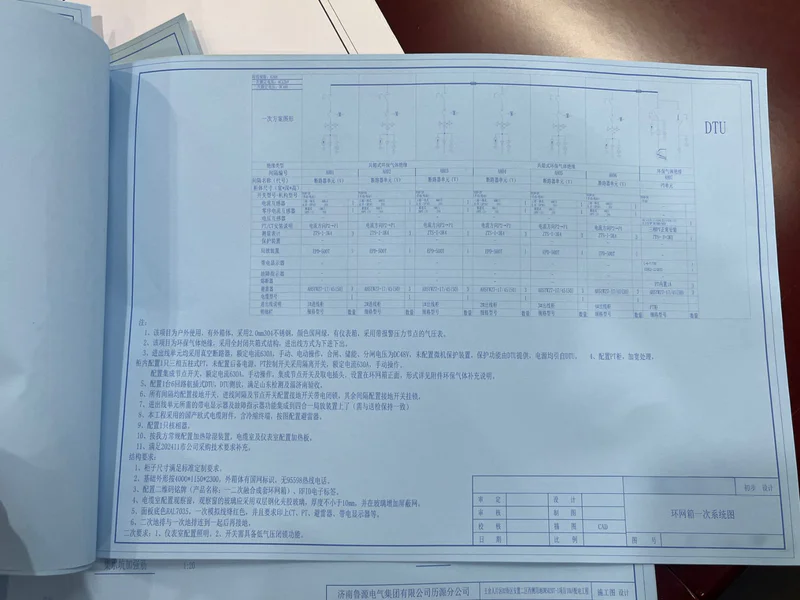
7+
document types per project
Confirms transformer ratings, electrical parameters, cooling method, impedance, enclosure configuration and operating conditions before production approval.
Confirms transformer dimensions, cable entry direction, terminal arrangement and installation space before equipment delivery.
Lets site teams confirm temperature controller connections, fan control logic, alarm signals and trip contacts during installation and commissioning.
Verifies transformer electrical performance and factory testing results before shipment and site acceptance.
Confirms ventilation clearance, enclosure layout, foundation requirements and equipment positioning inside electrical rooms.
Lets maintenance teams confirm inspection requirements, cooling system checks and recommended operating conditions after installation.
Documents prepared to consultant review, EPC submission and project approval requirements before manufacturing and delivery.
Indoor installations across commercial buildings, data centers, healthcare, infrastructure and industrial facilities.
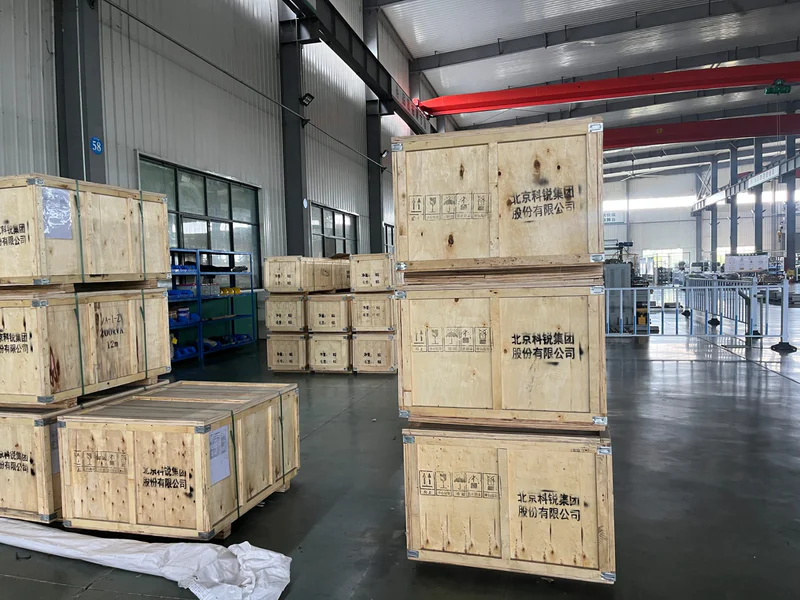
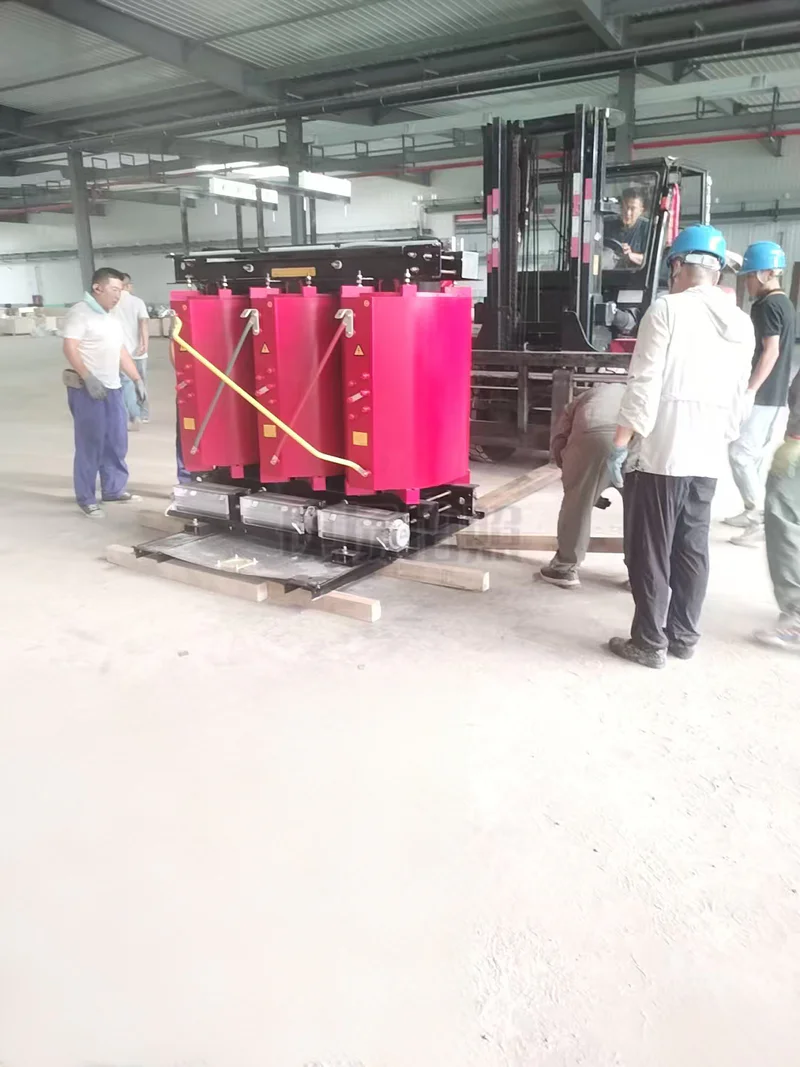
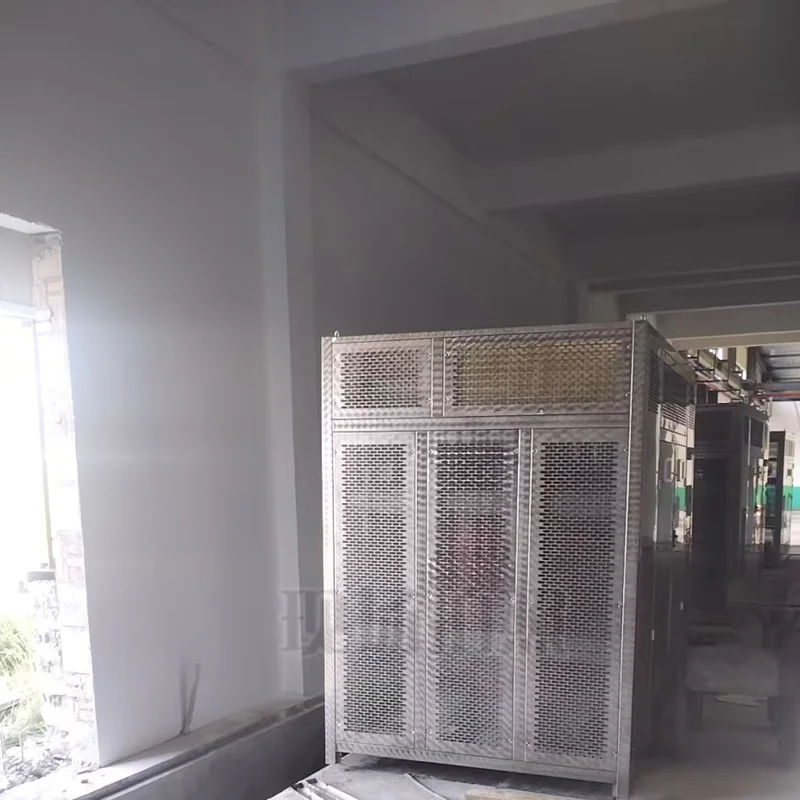
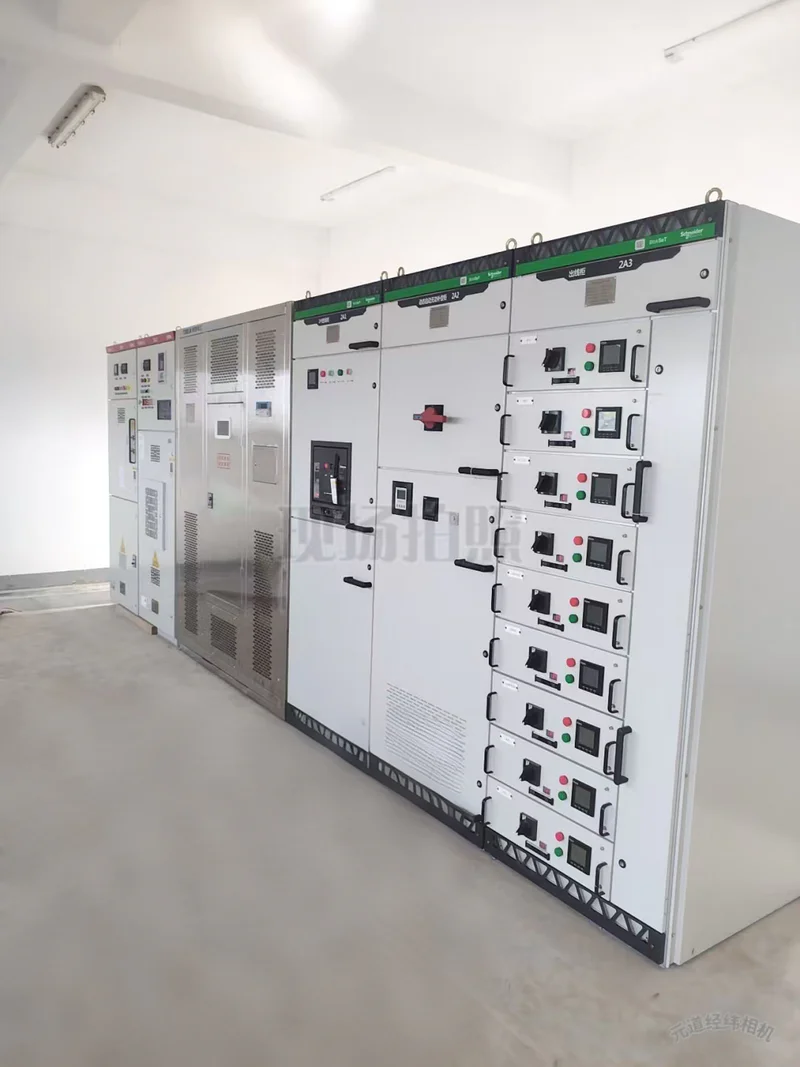
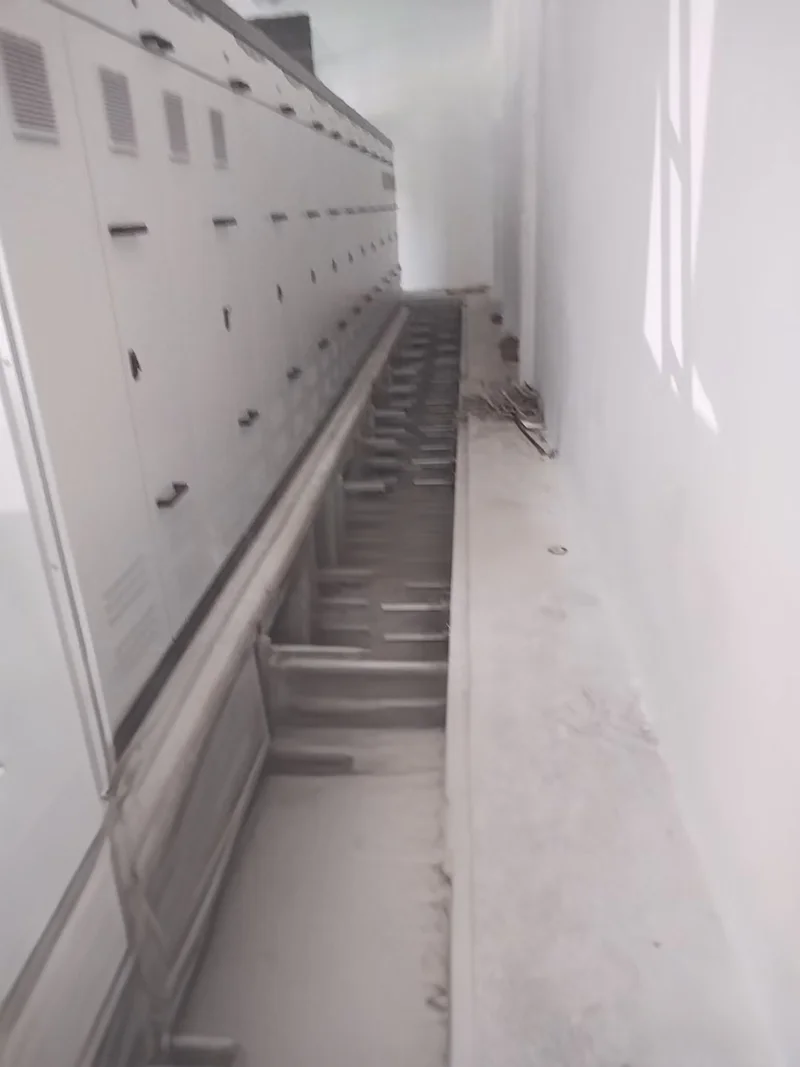
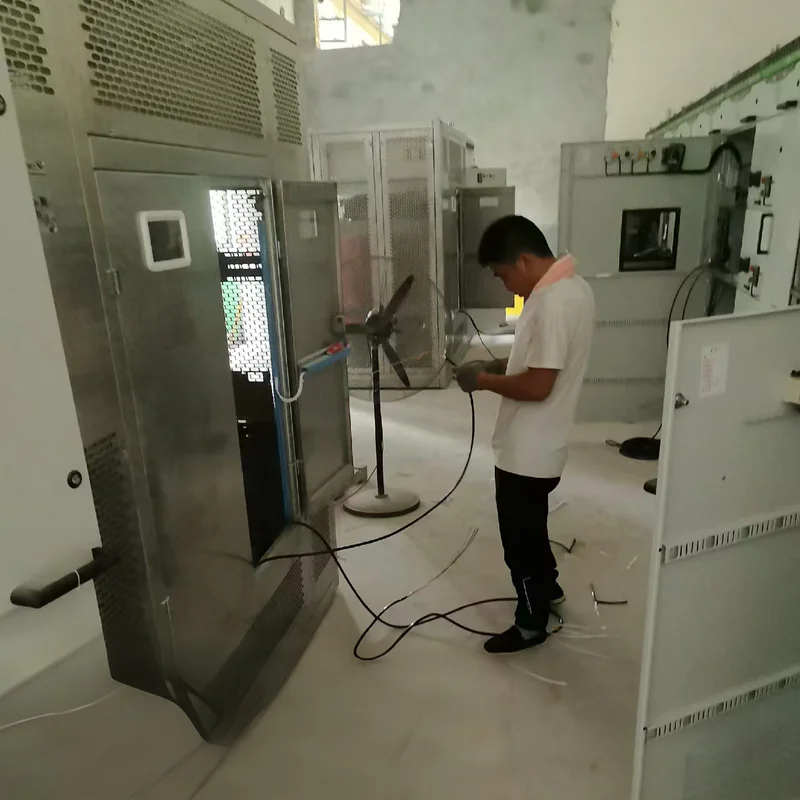
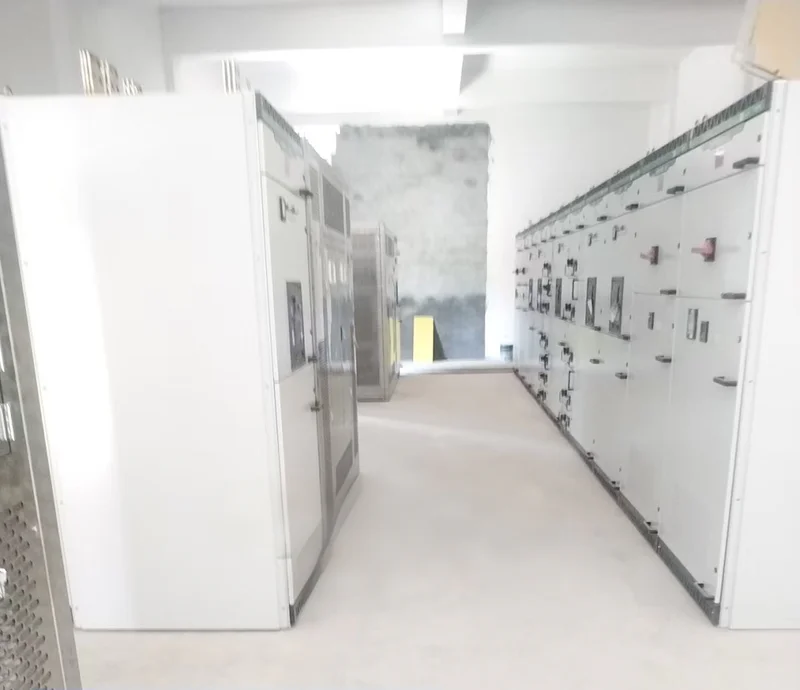
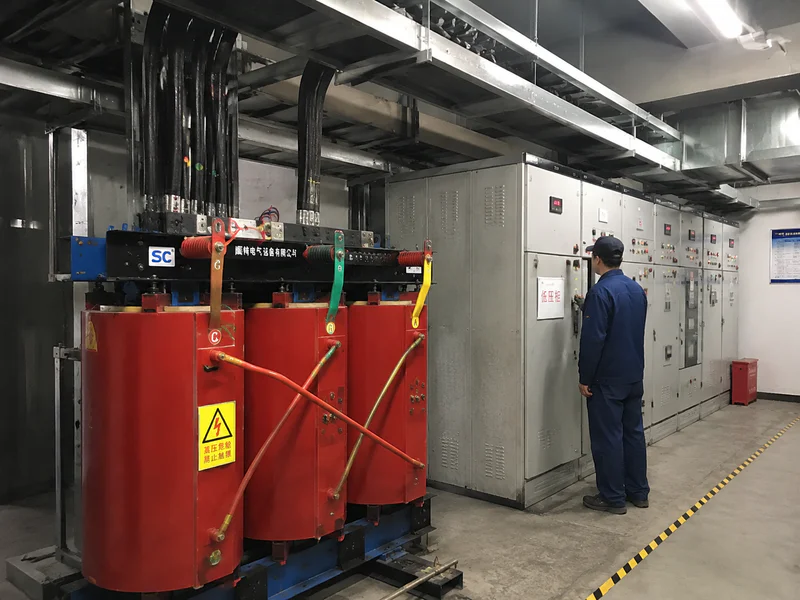
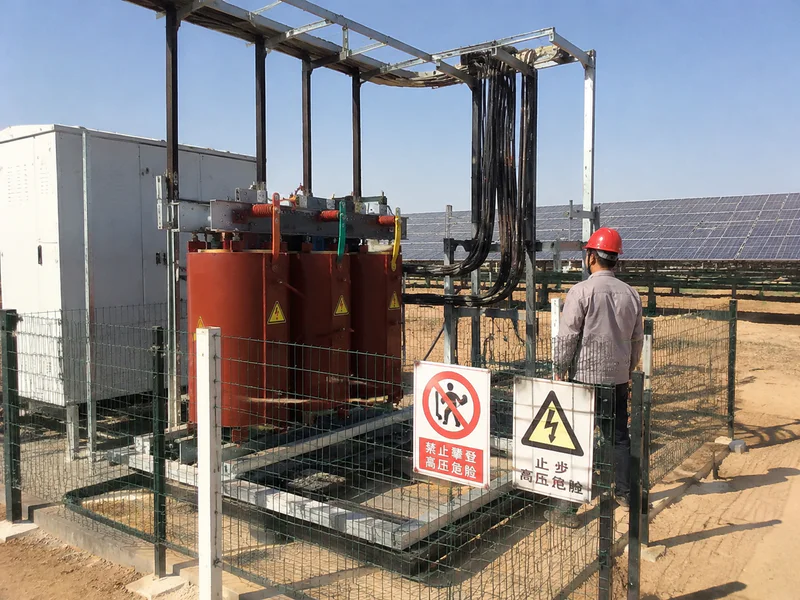
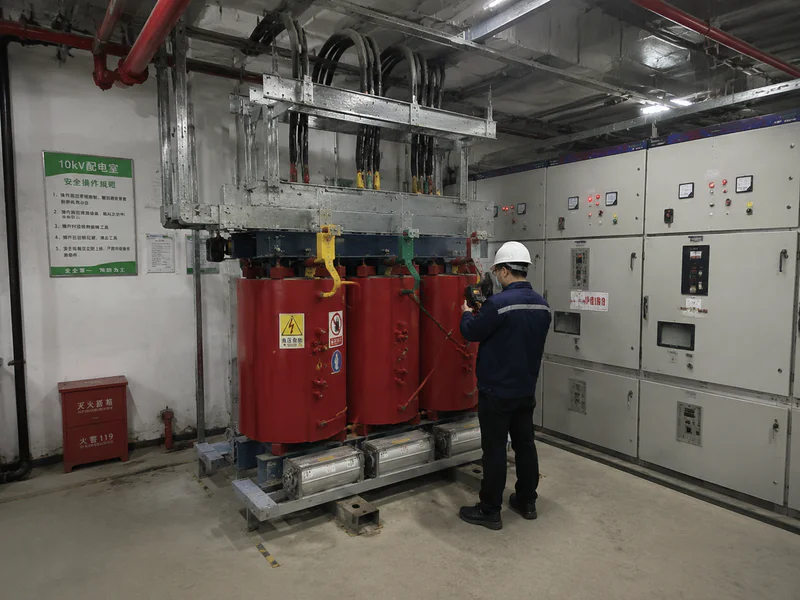
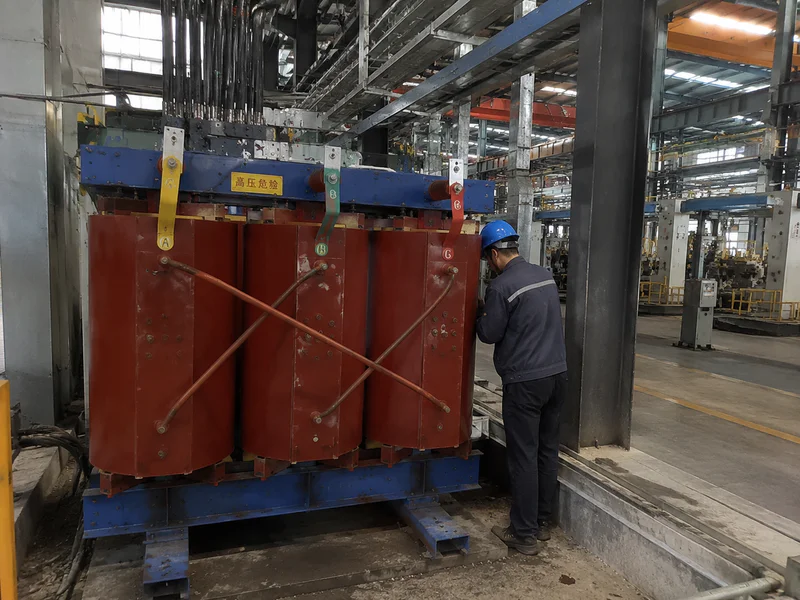
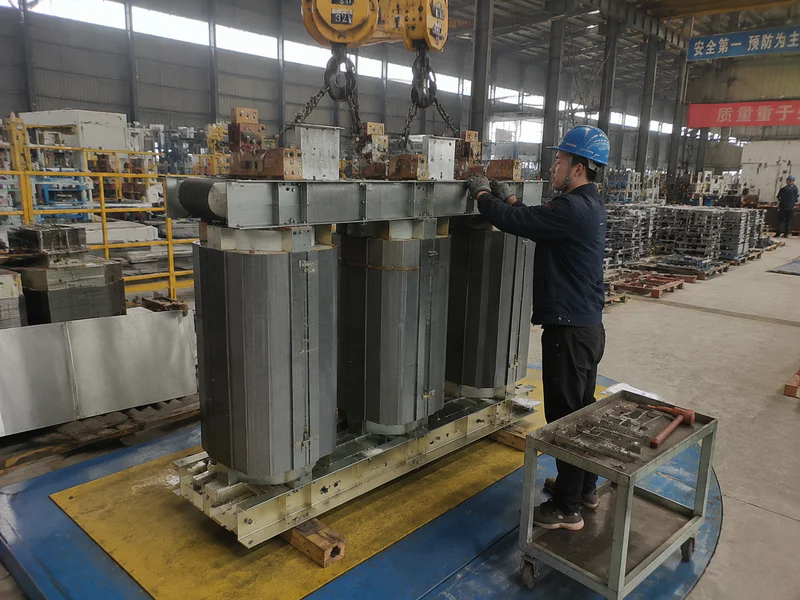
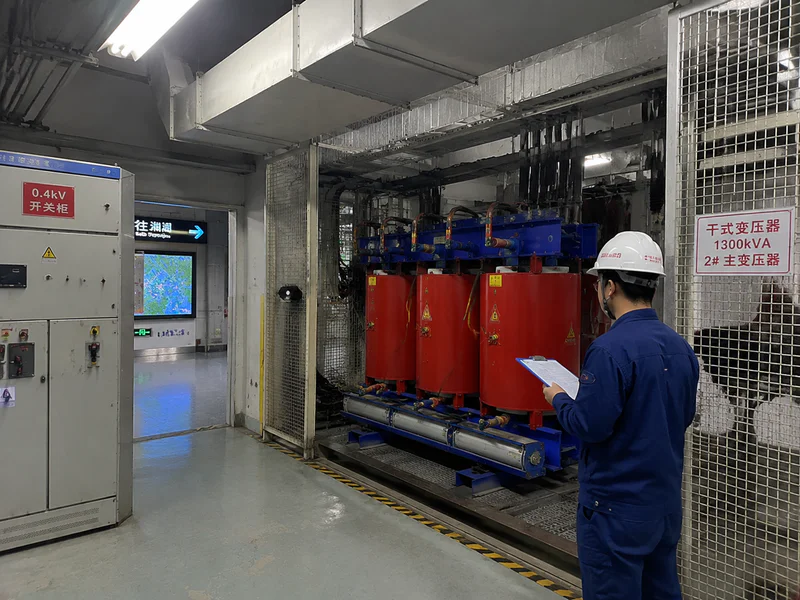
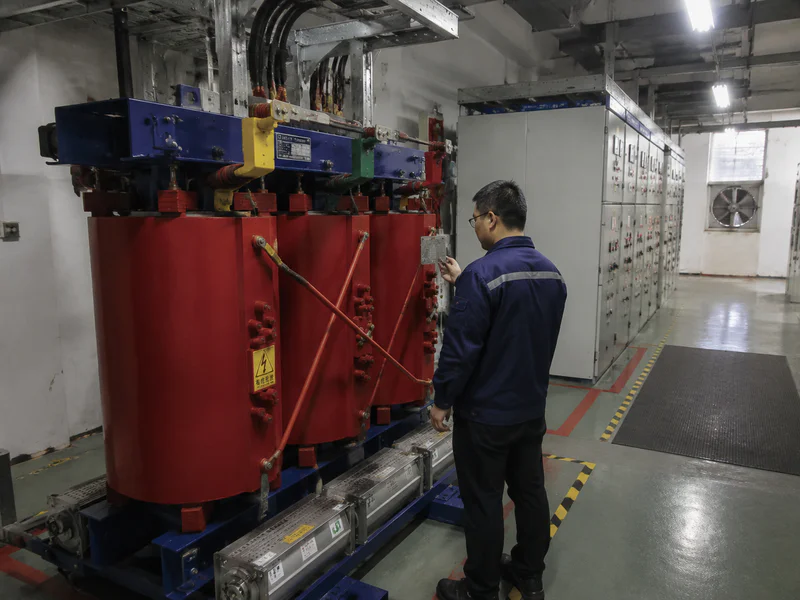
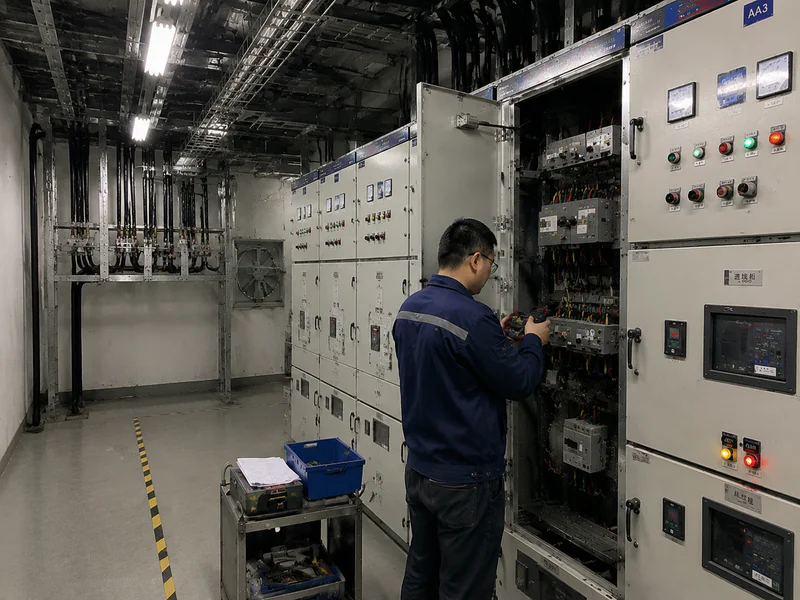
Eight steps from your first requirement to after-sales support, with technical confirmation before production at every stage.
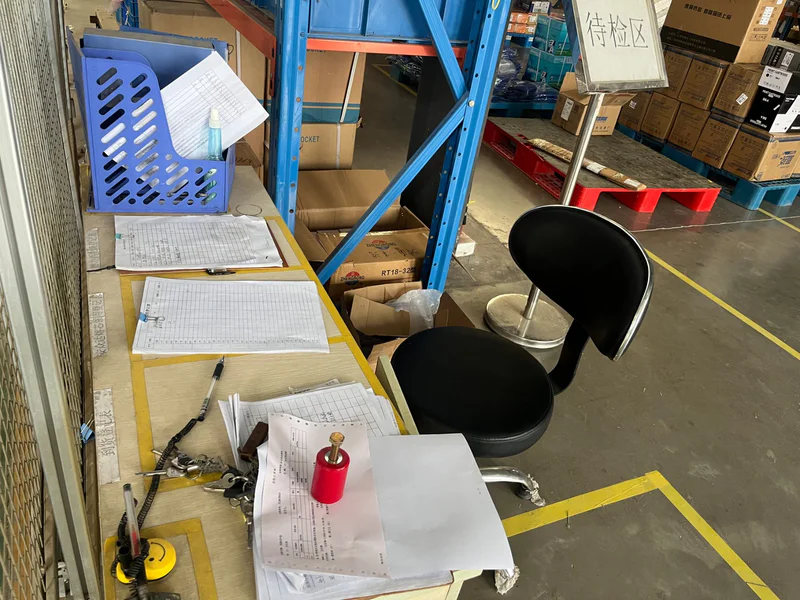 01
01Share transformer specifications, single line diagrams, load information or project drawings for technical review before quotation.
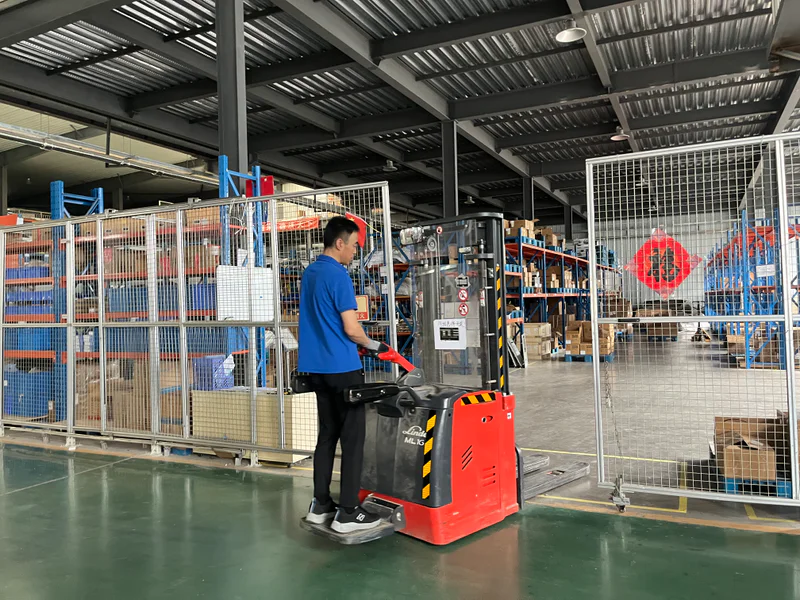 02
02Configuration is reviewed for voltage, capacity, impedance, installation environment, cooling, enclosure protection and operating conditions.
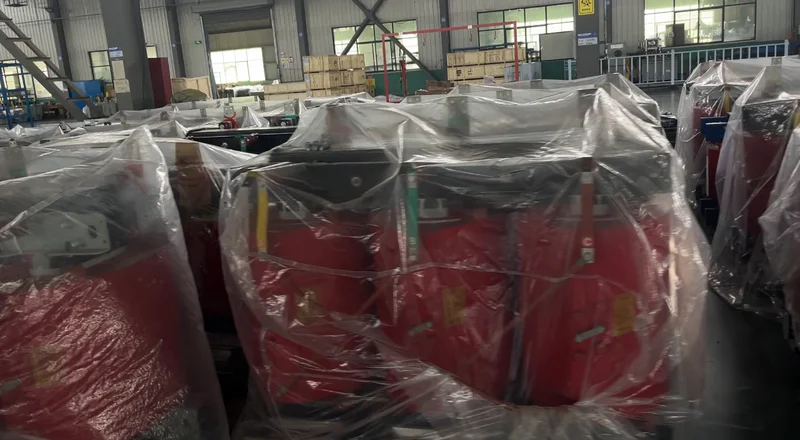 03
03You receive technical confirmation with quotation details, configuration, drawing scope and applicable testing requirements.
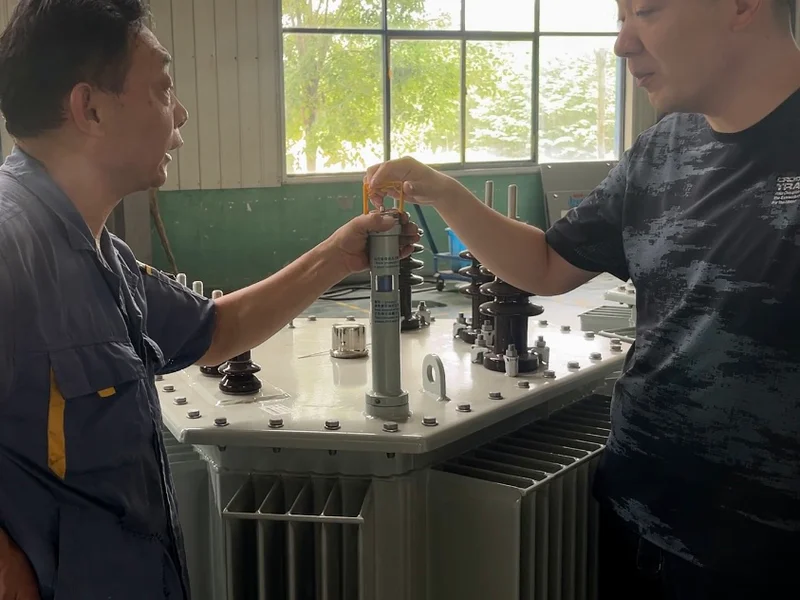 04
04GA drawings, terminal arrangement, cable entry, enclosure layout and parameters are confirmed before manufacturing to reduce site mismatch.
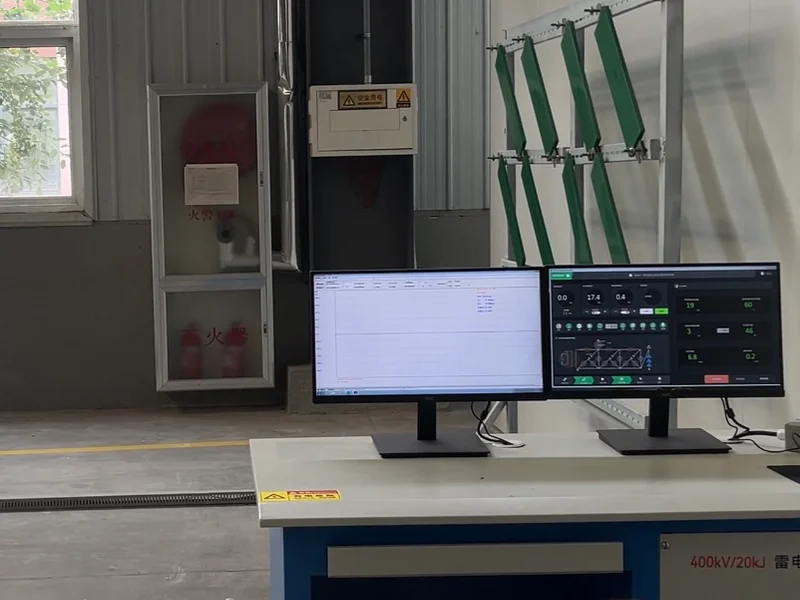 05
05Production follows confirmed specifications. Routine testing is completed before shipment and test reports can be provided for approval.
 06
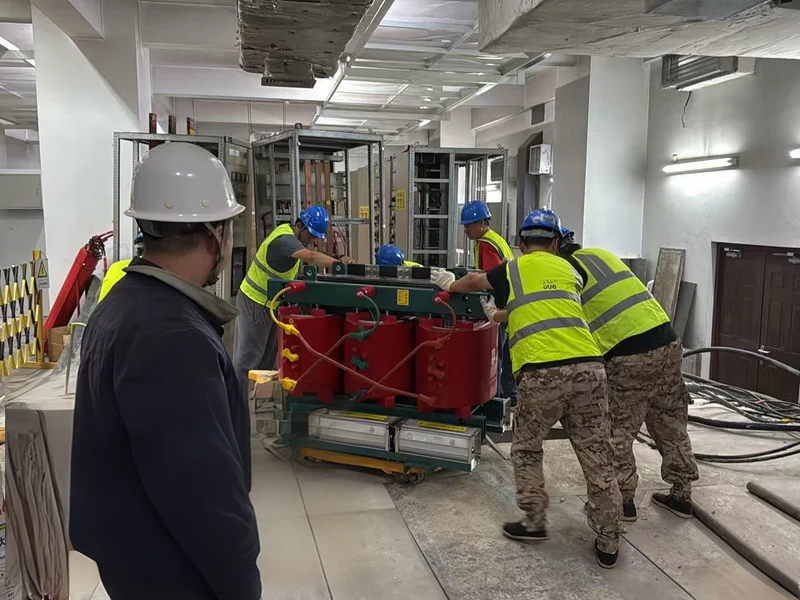
06Units are packed for transportation and project delivery requirements, together with technical documents and installation files.
 07
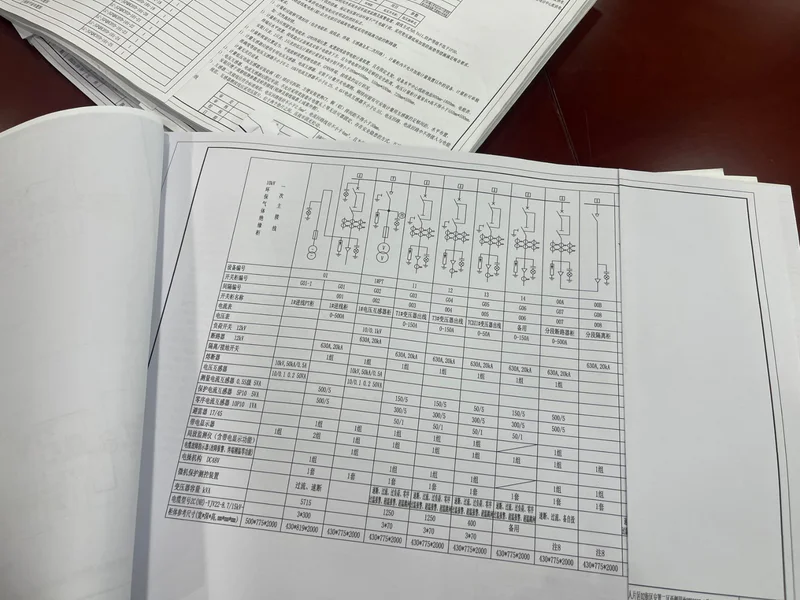
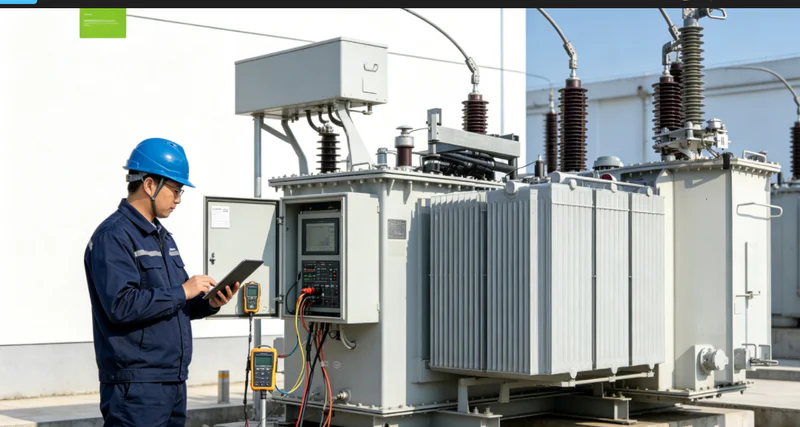
07Installation drawings, wiring documents, temperature controller information and operation documents support site installation and commissioning.
 08
08Support is available for installation confirmation, operating questions, temperature monitoring configuration and technical clarification after delivery.
Common technical and procurement questions for dry type transformer projects. Have one not covered here? Send it with your specification.
Selection usually depends on voltage ratio, load demand, installation environment, cooling method, impedance requirement, enclosure protection and operating conditions. Single line diagrams, load information and installation details are commonly required for technical configuration review.
Most projects require confirmation of capacity, primary and secondary voltage, frequency, vector group, impedance, cooling method, enclosure requirement, installation environment and applicable standards before quotation and manufacturing.
Cast resin transformers encapsulate high voltage windings in epoxy resin and are common for indoor applications needing higher moisture resistance, fire safety and low maintenance. VPI transformers are generally used in different environmental and application conditions.
Yes. They rely on air cooling for heat dissipation. Ventilation space, airflow direction, enclosure configuration and ambient temperature all affect operating temperature and cooling performance.
Monitoring systems can include PT100 sensors, temperature controllers, cooling fan control, alarm contacts and trip signals for thermal supervision and operating protection.
Noise is affected by core structure, vibration control, enclosure arrangement and installation environment. Low noise configurations can be selected according to project requirements and installation location.
Different enclosure configurations are available according to indoor operating conditions, dust exposure, ventilation requirements and personnel protection requirements.
PD performance is related to insulation structure, vacuum casting process, resin curing conditions and winding design. PD testing can be arranged according to project specifications and applicable testing requirements.
Yes. Configuration can be reviewed according to harmonic load conditions, operating temperature, cooling requirement and project electrical characteristics before production.
Projects may require technical datasheets, GA drawings, wiring diagrams, enclosure drawings, routine test reports, installation documents and operation manuals for consultant review, installation confirmation and project approval.
Operating temperature, ventilation condition, loading profile, insulation performance, installation environment and maintenance conditions all affect long-term operating reliability.
Electrical parameters, installation dimensions, enclosure configuration, cable entry direction, cooling method, monitoring functions and applicable project requirements are usually confirmed before manufacturing to reduce installation and commissioning issues later.
Drop your specs or a rough scope. Arlo replies personally within 24 hours with quotation, drawings and a clear next step.
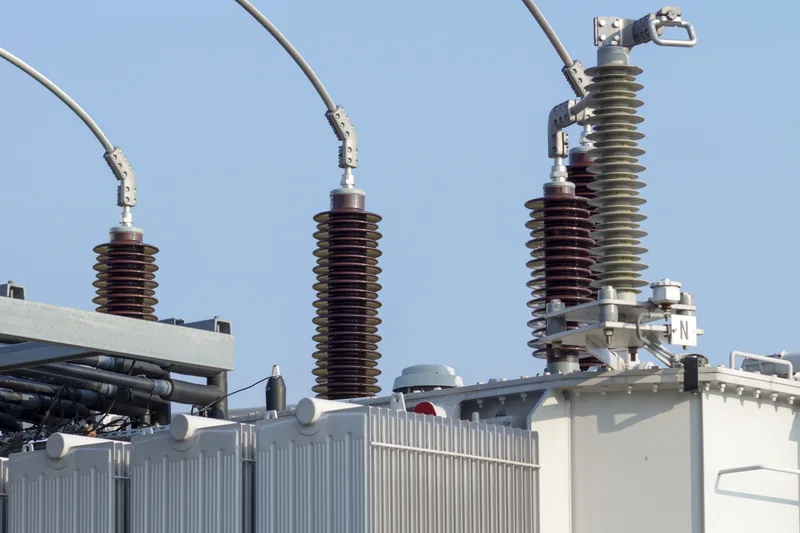
Hi, I'm Arlo.
Your Transformer Project Contact
Every message here reaches me personally, no bots, no junior reps. Send what you have and I come back with technical answers, not a brochure.
A single line diagram or rough scope is enough to start. We've turned rough requirements into delivered transformers for EPC contractors and project engineers across 45+ countries.
+86 153 0640 9721
Reply Time
Within 24 Hours
Fields marked are required.