Oil Immersed vs Dry Type Transformer
Compare oil immersed and dry type transformers across installation environment, cooling method, fire safety, maintenance and application, then pick the right transformer for your power distribution system with confidence.
- Indoor vs Outdoor Installation
- Fire Safety Comparison
- Cooling Method Differences
- Maintenance Requirements
- Commercial vs Utility Applications
- Transformer Selection Guidance
Send your project capacity, voltage and installation condition, and we'll help you select the right transformer.
Where Each Transformer Fits Best
Match the transformer to where it runs and how you'll maintain it. Oil immersed and dry type each fit a different kind of project.
Built For Outdoor, High-Capacity Loads
Choose oil immersed transformers when your unit runs outdoors at higher capacity. Oil cooling moves heat away efficiently and stands up to continuous outdoor operation.
- Outdoor substations
- Utility distribution systems
- Renewable energy projects
- Higher-capacity industrial loads
Built For Indoor, Fire-Safe Spaces
Choose dry type transformers when the unit sits indoors and fire safety matters. No oil keeps maintenance low, noise down and approvals easier in occupied buildings.
- Indoor electrical rooms
- Commercial buildings
- Hospitals & data centers
- Airports & public infrastructure
Swipe to compare both types →
Base your choice on installation location, ventilation, operating environment, maintenance planning, project approval requirements and long-term operating conditions. Still deciding? Send your specs and we'll confirm the right fit.
Get Selection SupportWhat This Guide Covers
Jump straight to the section you need, or read top to bottom for the full selection path.
Oil Immersed vs Dry Type Transformer: What Is The Difference?
Oil immersed transformers use insulating oil for electrical insulation and heat dissipation, which suits outdoor substations, utility power systems, renewable energy projects and higher-capacity industrial applications.
Dry type transformers use air and solid insulation, typically cast resin, which suits indoor installations such as commercial buildings, hospitals, data centers and airports where fire safety, low maintenance and oil-free operation matter.
Your choice depends on installation location, cooling requirements, fire safety, maintenance, operating environment and project specifications.
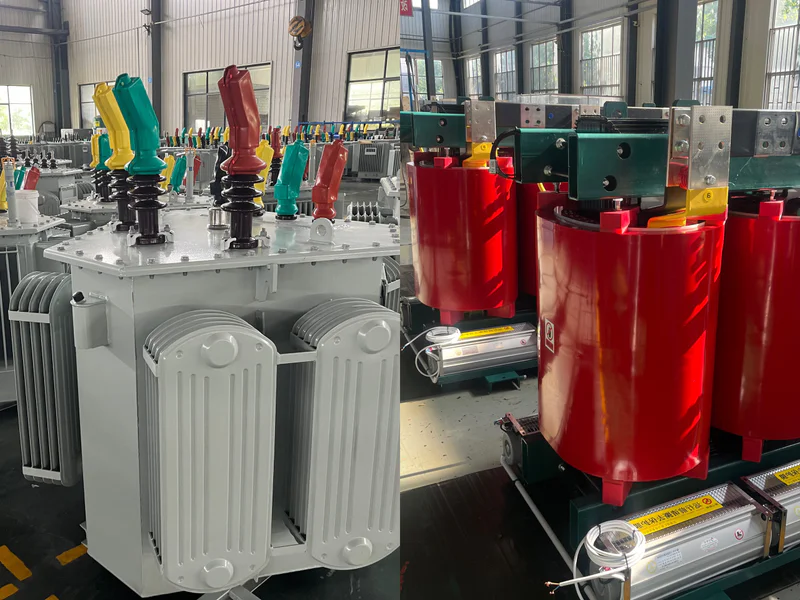
Oil Immersed Transformer vs Dry Type Transformer Comparison
Run down all fourteen factors at a glance. Find the rows that matter most for your project, then dig into the detail sections below.
Swipe table sideways to see both transformers
| Comparison Factor | Oil Immersed Transformer | Dry Type Transformer |
|---|---|---|
| Insulation Medium | Transformer oil provides insulation and heat transfer | Air and solid insulation, typically cast resin |
| Cooling Method | Heat is dissipated through insulating oil and radiators | Heat is dissipated through natural or forced air circulation |
| Typical Installation Location | Outdoor substations, utility networks and industrial sites | Indoor electrical rooms, buildings and public facilities |
| Fire Safety Consideration | Requires consideration of oil containment and fire protection measures | Oil-free design suitable for fire-sensitive indoor environments |
| Maintenance Requirement | Periodic oil inspection, oil testing and sealing system checks | Routine cleaning, ventilation inspection and monitoring system checks |
| Environmental Consideration | Oil leakage prevention and containment may be required | No oil leakage risk during operation |
| Capacity Range | Commonly used for medium and large power distribution applications | Commonly used for indoor low and medium voltage distribution systems |
| Noise Performance | Depends on core design, cooling system and installation environment | Often selected for indoor applications with noise limitations |
| Space Requirement | Requires installation space for tank, radiators and safety clearance | Compact installation but requires ventilation clearance |
| Temperature Dissipation | Efficient heat dissipation for continuous heavy-duty operation | Performance depends on ventilation and airflow conditions |
| Installation Cost Consideration | May require additional civil work, oil containment and fire protection measures | May reduce oil-related protection requirements for indoor projects |
| Monitoring And Protection | Oil temperature, winding temperature and protection devices can be integrated | Temperature sensors, fan control, alarm and trip functions can be integrated |
| Typical Applications | Utility substations, renewable energy projects, industrial plants and outdoor distribution systems | Commercial buildings, hospitals, data centers, airports and public infrastructure |
| Main Selection Consideration | Outdoor installation, larger capacity and heavy-duty operation | Indoor installation, fire safety and lower maintenance requirements |
Oil immersed transformers suit outdoor, utility and higher-capacity power distribution. Dry type transformers suit indoor installations where fire safety, low maintenance and oil-free operation matter most.
The Main Difference: Insulation And Cooling Method
Everything else follows from how each transformer is insulated and how it sheds heat. Switch between the two to see how each one works.
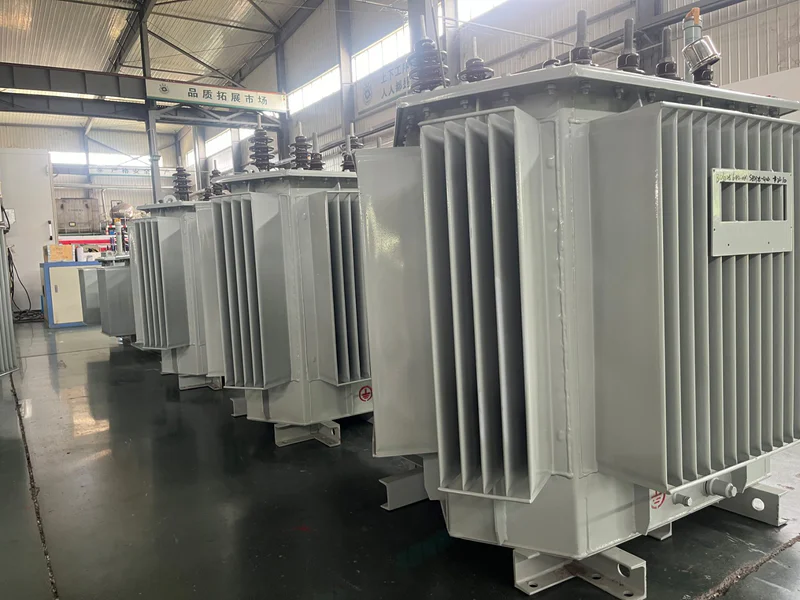
Oil Immersed Transformers Use Oil For Insulation And Heat Dissipation
Oil immersed transformers use insulating oil to provide electrical insulation and carry heat away from the windings and core. The oil circulates that heat to the tank and cooling radiators, so the unit sheds heat efficiently even under continuous operation.
You'll find this cooling method across outdoor substations, utility power systems and industrial applications where higher capacity and long-duration loading are part of daily duty.
Dry Type Transformers Use Air And Solid Insulation
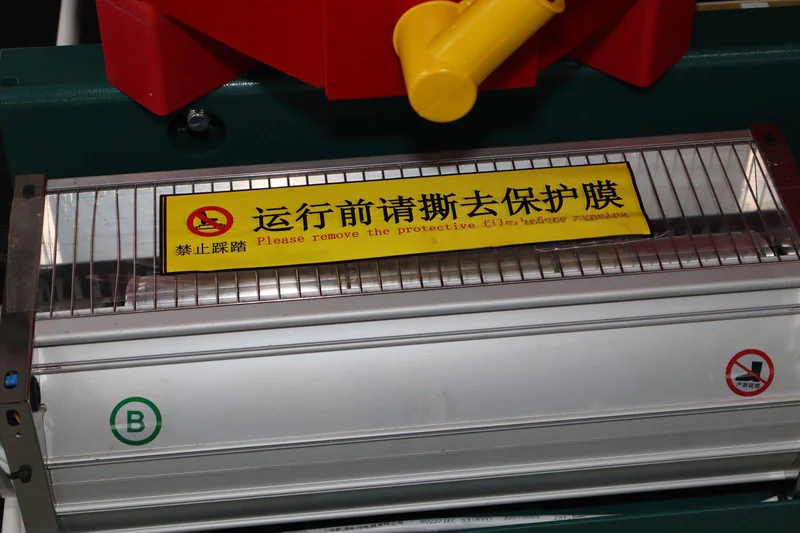
Dry type transformers use a solid insulation system, typically cast resin, paired with natural or forced air cooling. With no oil inside, heat leaves through the transformer surface and the surrounding airflow.
This design fits indoor installations where fire safety, easy maintenance access and oil-free operation sit high on your project requirements.
The Right Insulation Decides More Than Cooling
How a transformer is insulated and cooled decides where you can install it, how it sheds heat, what maintenance you'll plan for and which project approvals you may need.
For outdoor and higher-capacity work, oil immersed transformers give you effective heat dissipation and operating flexibility.
For indoor sites, dry type transformers simplify fire protection planning and take oil-related maintenance off your list entirely.
Choose Based On Installation Environment
Where the transformer lives is often the first thing that narrows your choice. Indoor and outdoor sites push you toward different answers.
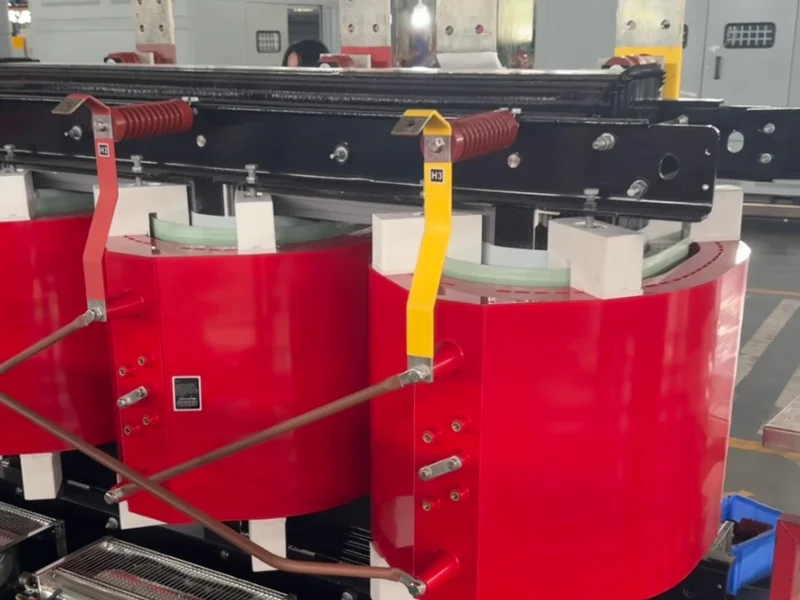
 Indoor
When Indoor Installation Is Required
Commercial buildings, hospitals, data centers, airports and metro stations often place transformers inside electrical rooms or dedicated equipment spaces.
Here, fire safety, maintenance access, ventilation and available space usually become your key selection factors.
Dry type transformers fit these sites. No insulating oil, and proven across indoor power distribution.
 Outdoor
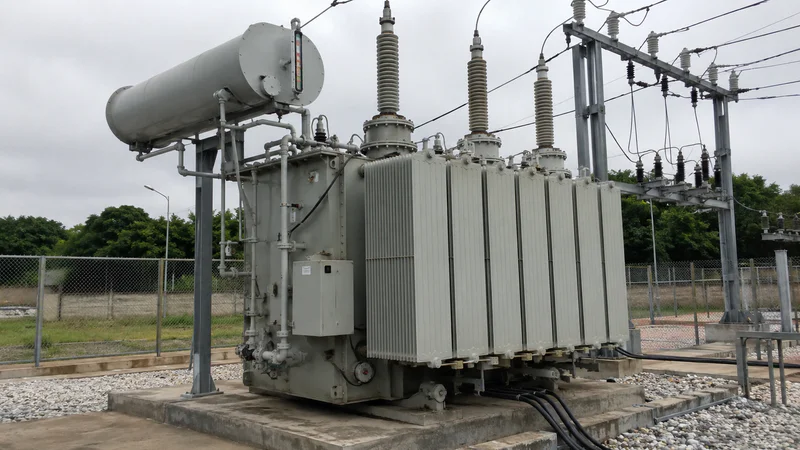
When Outdoor Installation Is Preferred
Utility substations, renewable energy projects, industrial sites and large distribution systems often install transformers outdoors, where space, ventilation and equipment access are less restricted.
Here, cooling performance, operating capacity and long-term outdoor duty are typically your primary considerations.
Oil immersed transformers fit these sites. Oil cooling sheds heat effectively under continuous operation.
Installation Conditions Matter More Than Transformer Type
Base your selection on the actual installation conditions, not on a product preference. The site tells you what will work.
Before you choose between oil immersed and dry type, walk through the factors listed here. Together they often decide which transformer gives you the most practical, reliable result.
Evaluate Before You Choose
- Indoor or outdoor installation
- Available ventilation space
- Ambient temperature
- Fire safety requirements
- Maintenance accessibility
- Equipment room dimensions
- Operating load conditions
- Local project specifications
Fire Safety And Environmental Considerations
Fire protection and oil handling often shape your decision before performance even enters the picture. Each transformer raises a different set of questions.
Fire Protection Requirements
The fire protection rules at your installation site often steer the choice. For indoor facilities like hospitals, commercial buildings, data centers, airports and public infrastructure, fire safety planning usually becomes a major factor in both equipment selection and project approval.
Because dry type transformers run without insulating oil, they're commonly used indoors where oil-related fire protection would otherwise be a concern.
Oil Containment And Environmental Protection
Oil immersed transformers hold insulating oil as part of their insulation and cooling system. Depending on local regulations and your project requirements, installations may call for oil containment, drainage planning or environmental protection provisions.
You'll see these measures handled routinely in outdoor substations, utility facilities, renewable energy projects and industrial sites where oil immersed units are widely used.
Selecting The Right Solution For Your Project Environment
Neither type wins outright. The right call depends on your installation environment, project specifications and operating requirements.
Your project prioritizes indoor installation, occupied spaces and simplified fire protection planning.
Your project needs outdoor installation, higher capacity operation or utility-scale distribution, paired with the right environmental and protection measures.
Weigh fire safety, environmental protection and installation location together when you choose between oil immersed and dry type. The best solution comes from your operating environment and project requirements, not from any single product feature.
Cooling And Temperature Rise
Each transformer sheds heat a different way. How well it cools decides how hard and how long it can run.
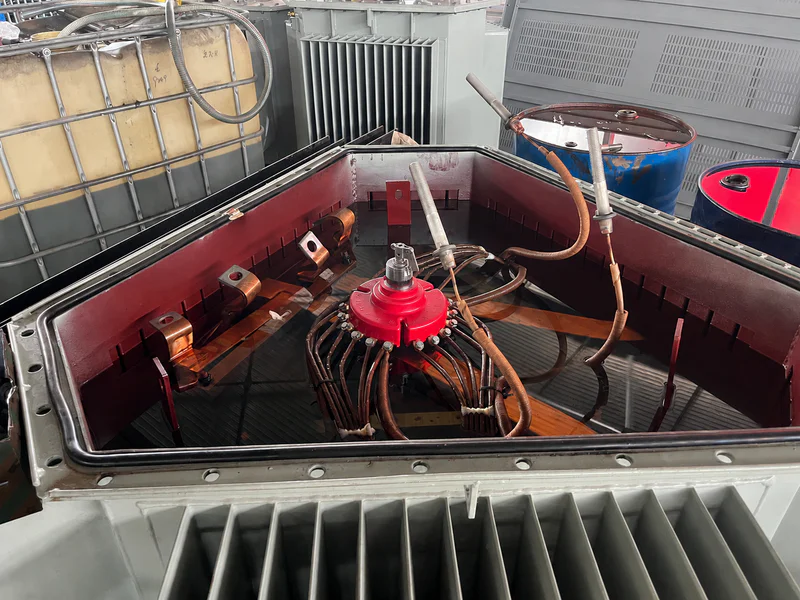
Oil Immersed Transformers Use Oil For Heat Transfer
Insulating oil circulates between the windings, core and cooling surfaces, carrying heat to the tank and radiators. That keeps the unit cool even under continuous loading.
You'll see this method across outdoor substations, industrial power systems and renewable energy projects, anywhere higher capacity and long-duration operation are part of the job.
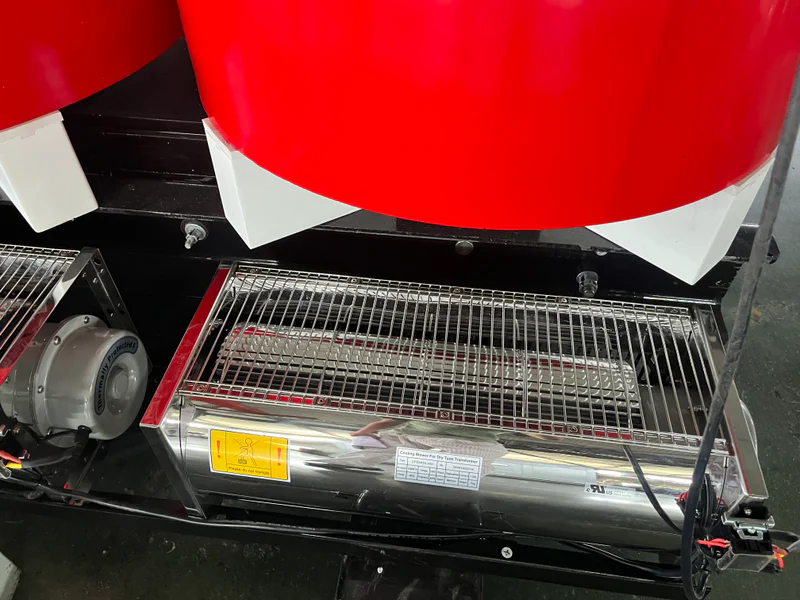
Dry Type Transformers Rely On Airflow For Cooling
Heat moves from the windings and insulation surfaces straight into the surrounding air, through natural air circulation or forced air cooling.
Cooling performance tracks your ventilation, enclosure design, installation clearance, ambient temperature and the airflow around the unit.
For indoor sites, planning proper ventilation is a real part of both selecting the transformer and running it well long term.
Temperature Rise Depends On Operating Conditions, Not Type Alone
Transformer type alone doesn't set temperature rise. Your operating load, ambient temperature, ventilation, installation location and cooling configuration all shape thermal performance.
A unit that runs cool in one site may need a different cooling arrangement somewhere hotter or with limited airflow. Review cooling requirements against your project's actual operating conditions before you commit.
Maintenance Requirements
What you'll service over the years differs sharply between the two. One brings oil to manage, the other takes it off your list.
Oil-Related Inspection
Insulating oil is part of the insulation and cooling system, so long-term operation may call for checking oil condition, sealing systems and oil-related components in line with your operating and maintenance practices.
Typically Includes
- Oil condition inspection & testing
- Sealing system checks
- Periodic equipment inspection
For outdoor substations and industrial power systems, scheduled inspection keeps the unit reliable across its full lifecycle.
No Oil-Related Upkeep
With no insulating oil inside, there's no oil testing, no oil filtration and no leakage monitoring. Your routine work stays simple and predictable.
Typically Includes
- Cleaning & ventilation checks
- Cooling fan operation
- Temperature monitoring & connection inspection
Lighter upkeep is one reason dry type units suit commercial buildings, hospitals and data centers where maintenance access may be limited.
Match Maintenance Planning To Your Operating Environment
Maintenance needs follow your operating conditions, installation environment and maintenance access, not the transformer type by itself. Outdoor sites may need more frequent environmental inspection, while indoor sites focus on ventilation, cleanliness and thermal monitoring.
The right transformer is usually the one that fits the maintenance resources and operating conditions you'll have throughout the life of the project.
Cost And Total Project Cost
The cheapest unit to buy is rarely the cheapest to own. What you spend over the project's life depends on far more than the purchase price.
Initial Equipment Cost Is Only One Part Of The Decision
Don't choose on equipment price alone. Installation requirements, project approvals, maintenance planning and operating conditions all feed into your total cost of ownership. A lower purchase price won't always give you a lower overall project cost.
May Add Project-Side Requirements
On some projects, an oil immersed installation brings extra requirements around oil containment, fire protection, environmental provisions and installation infrastructure.
How much these affect you depends on your project location, local regulations and installation environment.
May Simplify Indoor Installations
For indoor work, dry type units can simplify the requirements tied to oil management and indoor equipment installation.
In commercial buildings, hospitals, data centers and public infrastructure, that can shift your overall project planning and long-term operating costs.
Evaluate The Full Lifecycle Cost
When you compare options, weigh the eight factors listed here together. The most economical choice is usually the one that fits your operating environment and project requirements across the transformer's entire service life.
Factor Into Your Comparison
- Equipment cost
- Installation requirements
- Fire protection provisions
- Environmental protection measures
- Maintenance resources
- Operating conditions
- Expected service life
- Future maintenance access
The lowest overall cost usually comes from the unit that best fits your site, not the lowest sticker price.
Capacity And Voltage Selection
Find your project type below and see which transformer typically fits. Use it as a starting point, then confirm against your exact site conditions.
Swipe table sideways to see recommendations
| Project Scenario | Recommended Option |
|---|---|
| Commercial Building | Dry Type |
| Hospital | Dry Type |
| Data Center | Dry Type · Indoor / Oil Immersed · Outdoor Utility |
| Outdoor Substation | Oil Immersed |
| Solar Farm | Oil Immersed |
| Wind Farm | Oil Immersed |
| Airport | Dry Type |
| Metro Station | Dry Type |
| Industrial Plant | Depends on installation environment |
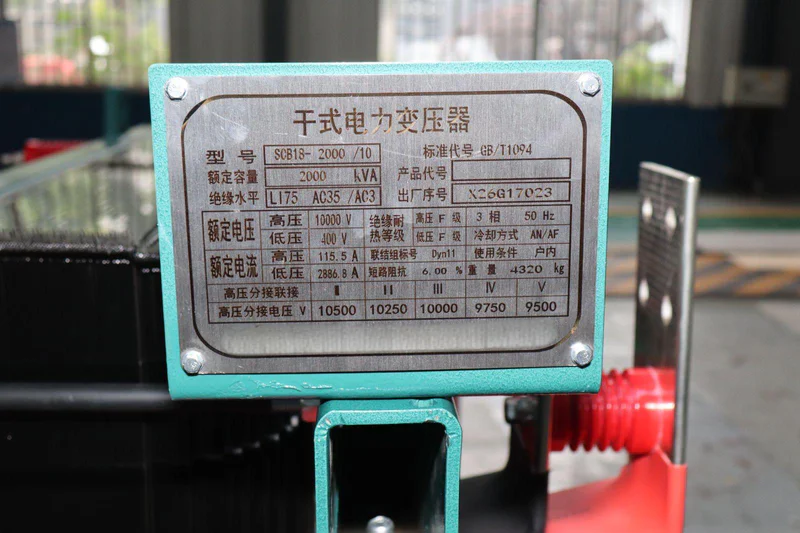
Choosing The Right Capacity Is More Than A kVA Decision
Size your capacity to actual load demand, operating profile, future expansion and installation conditions, not to a number on a spec sheet.
A higher kVA rating doesn't automatically make one transformer type the better fit for your project.
Installation environment, cooling method, ventilation, operating temperature and project requirements all need to be weighed together when you select the transformer.
Voltage Configuration Depends On System Design
Both oil immersed and dry type units can be built across a wide range of voltage configurations. The right transformer comes from your overall system design, not from voltage level alone. Send your parameters and we'll match the configuration to your project.
Common Selection Factors
Which Transformer Is Better For Your Application?
Pick the project type closest to yours and see the typical recommendation, plus why it fits.
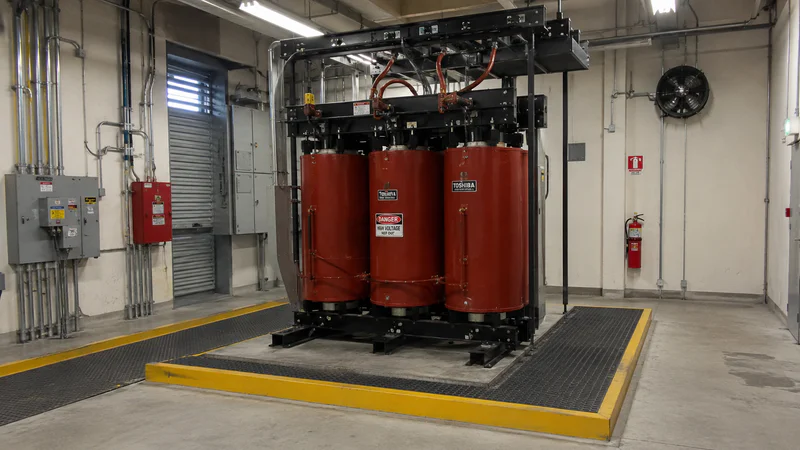
Commercial Buildings
Commercial buildings usually install transformers inside dedicated electrical rooms, where fire safety, maintenance access and indoor installation all matter.
Dry type units run without insulating oil and are widely used across office buildings, shopping centers, hotels and mixed-use developments.
Hospitals & Healthcare Facilities
Hospitals need reliable indoor power distribution alongside strict safety and operational requirements.
Dry type transformers are common in hospital electrical systems because they support indoor installation and keep oil-related management off your plate.
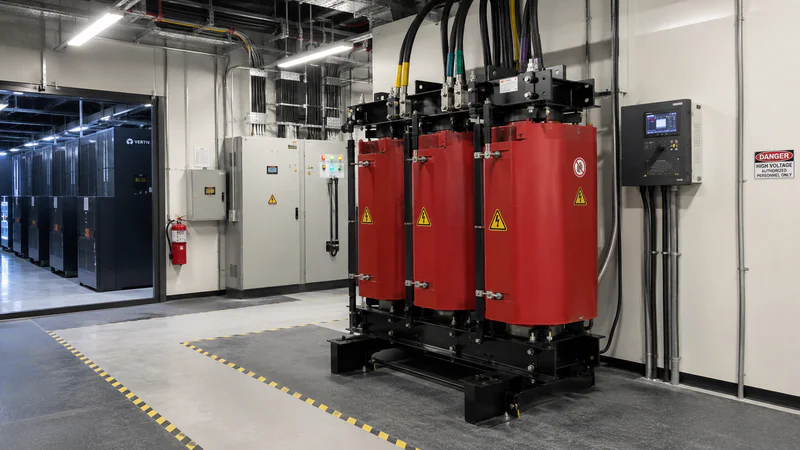
Data Centers
Dry type units are common inside the facility, where indoor installation, monitoring and maintenance access count. Oil immersed units may sit on the utility side or in outdoor substations, depending on your power distribution design.
Your choice usually comes down to where the transformer sits within the facility.
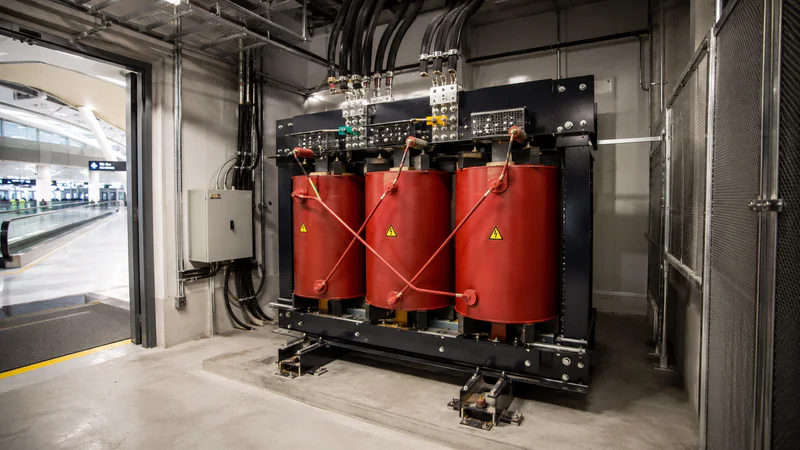
Airports & Metro Stations
Airports, railway stations and metro systems run transformers inside public infrastructure, where indoor installation, safety and maintenance access are priorities.
Dry type transformers are the common pick for these environments.
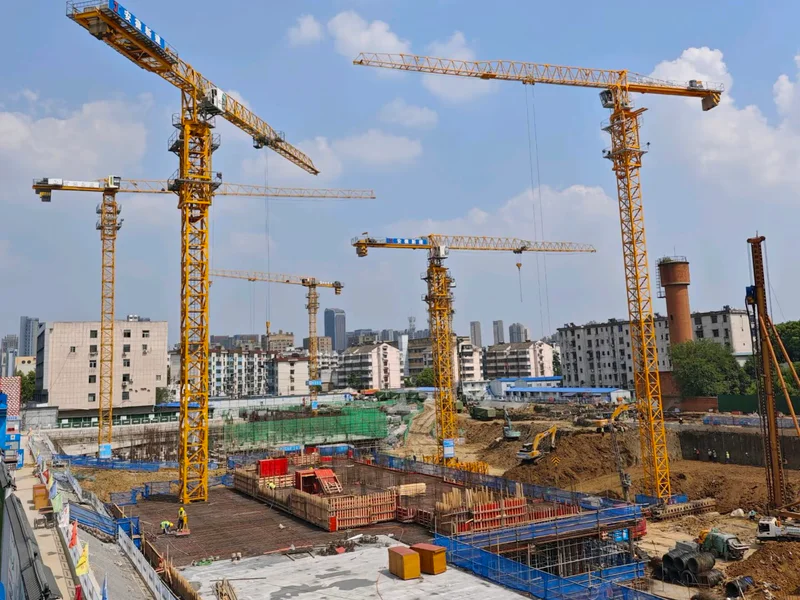
Industrial Plants
Both types see heavy use in industrial facilities. Dry type units go inside electrical rooms and production buildings; oil immersed units handle outdoor substations, plant distribution and higher-capacity work.
Installation location and operating conditions usually decide which one fits.
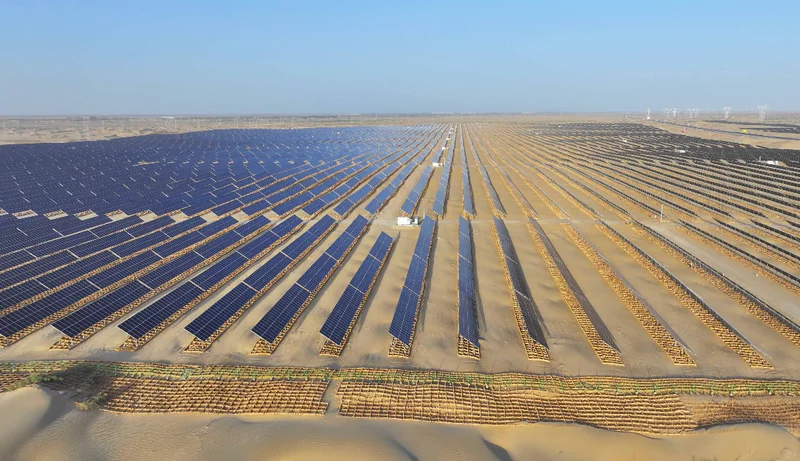
Renewable Energy Projects
Solar farms, wind farms and utility-scale renewable projects commonly use oil immersed transformers, since they're installed outdoors and run under continuous loading.
Project layout, voltage level and installation environment all point toward oil immersed applications here.
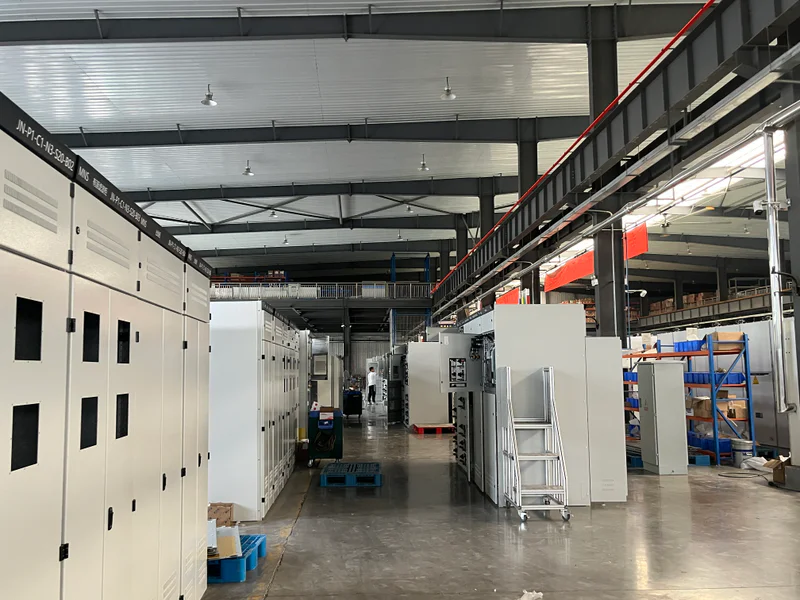
Utility Substations
Oil immersed transformers are widely used in utility substations and outdoor distribution networks, thanks to their cooling capability, outdoor suitability and reach across medium and high-capacity systems.
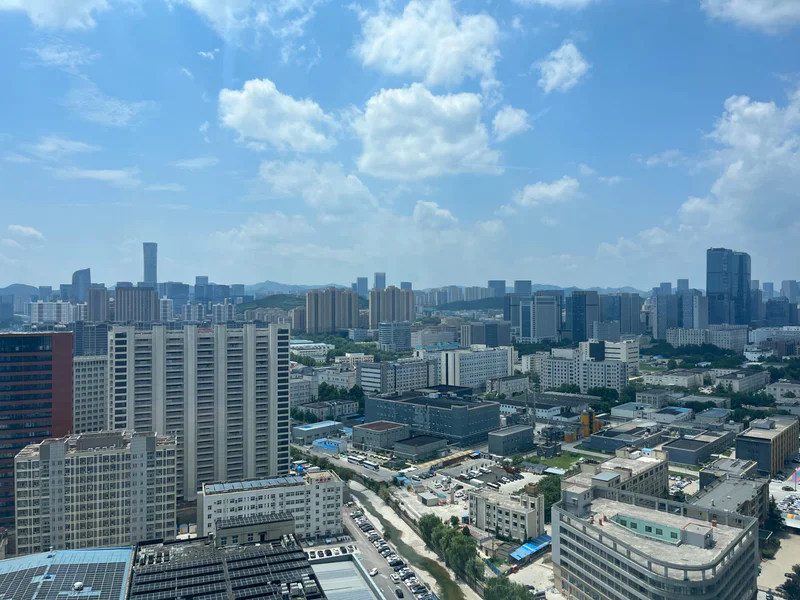
High-rise Buildings
High-rise buildings place transformers in basements, electrical rooms or dedicated service areas.
Dry type units are the common choice, well suited to indoor installation and building power distribution.
Choose Oil Immersed If, Choose Dry Type If
Read down both columns and see which set of conditions matches your project. Whichever side describes your site is usually your answer.
Choose It If...
-
Your Transformer Will Be Installed Outdoors
Outdoor substations, utility distribution, renewable projects and industrial sites give you the space and ventilation that oil immersed units want.
-
You Need Higher-Capacity Power Distribution
For medium and large systems where continuous operation and efficient heat dissipation matter, oil cooling carries the load.
-
You Can Accommodate Oil Containment & Fire Protection
A dedicated outdoor transformer area lets you build in the environmental and fire safety measures your regulations require.
-
Long-Term Outdoor Reliability Is A Priority
Utility, industrial and renewable applications run through changing conditions all year, and oil immersed units are built for it.
Choose It If...
-
Your Transformer Will Be Installed Indoors
Commercial buildings, hospitals, airports, data centers, metro stations and public facilities put the unit in an electrical room, and indoor needs drive the choice.
-
Fire Safety Is A Major Consideration
No insulating oil makes dry type a natural fit where fire protection planning and building safety sit high on the list.
-
You Prefer Lower Routine Maintenance
No oil means no oil inspection or testing, which suits facilities with limited maintenance resources or restricted equipment access.
-
You Need A Compact Indoor Distribution Solution
Dry type units fit indoor systems where space use, installation access and building integration are part of the plan.
Common Transformer Selection Mistakes
These slip-ups cost time and money after the order is placed. Catch them before you commit and your selection holds up over the project's life.
Choosing Based On Price Alone
Buying on equipment cost alone can hide installation requirements, maintenance planning and long-term operating costs.
Ignoring The Installation Environment
Indoor and outdoor sites differ in cooling, fire protection, maintenance access and equipment configuration.
Overlooking Ventilation Requirements
Dry type units rely on airflow to shed heat. Check ventilation before you select and install.
Focusing Only On Current Load Demand
Size capacity for future expansion, load growth and long-term operating requirements, not just today.
Not Evaluating Maintenance Requirements
Each type needs different maintenance over its life. Weigh your maintenance resources during selection.
Selecting Before Reviewing Site Conditions
Installation space, cable routing, equipment access, ambient temperature and operating environment all affect suitability.
Ignoring Fire Safety Requirements
Fire protection rules can shape your choice, especially for indoor installations and occupied buildings.
Assuming One Type Fits Everything
The right transformer depends on project requirements, location, operating conditions and system design, not a single feature.
Want a second set of eyes before you decide?
Project Information Needed For Transformer Selection
The more of these you share, the faster and tighter your recommendation comes back. Don't have everything? Send what you've got and we'll fill the gaps with you.
Electrical Requirements
- Rated Capacity (kVA / MVA)
- Primary Voltage
- Secondary Voltage
- Frequency (50Hz / 60Hz)
- Number Of Phases
- Vector Group Requirement
- Impedance Requirement (if specified)
- Tapping Range (if required)
Installation Environment
- Indoor Or Outdoor Installation
- Ambient Temperature
- Installation Altitude
- Available Installation Space
- Ventilation Conditions
- Dust Or Humidity Conditions
- Fire Safety Requirements
Operating Conditions
- Expected Load Profile
- Continuous Or Intermittent Operation
- Harmonic Loads (UPS, VFD, Inverter, PCS)
- Future Capacity Expansion
- Parallel Operation (if applicable)
Mechanical & Installation
- Cable Entry Direction
- Terminal Arrangement
- Enclosure Requirement
- IP Protection Rating
- Noise Limitation Requirement
- Cooling Method Preference (if specified)
Project Documentation
- Technical Datasheet
- GA Drawing
- Routine Test Report
- Type Test Report (if required)
- Wiring Diagram
- Consultant Or Project Specification
The Fastest Way To A Recommendation
Already have project docs? Send any one of these and our engineering team reviews it, then recommends the right type and configuration.
- Transformer Specification
- Single Line Diagram
- Electrical Load Schedule
- Tender Document
- Technical Requirement Sheet
- Existing Transformer Nameplate
Oil Immersed vs Dry Type Transformer FAQ
The questions buyers ask most before they choose. Still unsure after reading? Send your project details and we'll point you the right way.
Which is better, oil immersed or dry type?
Neither is universally better. Oil immersed units fit outdoor substations, utility power systems and higher-capacity applications, while dry type units fit indoor installations where fire safety, oil-free operation and lower maintenance matter. The right choice comes from your installation environment, operating conditions and project requirements.
Which transformer suits indoor installation?
Dry type transformers are common in indoor electrical rooms, commercial buildings, hospitals, airports and data centers, since they run without insulating oil and are widely used in indoor distribution. You'll still want to plan proper ventilation and cooling during installation.
Which transformer suits outdoor installation?
Oil immersed transformers are common in outdoor substations, utility networks, renewable energy projects and industrial facilities. Oil cooling gives you effective heat dissipation for outdoor and continuous operating environments.
Do dry type transformers need ventilation?
Yes. Dry type units rely on natural air circulation or forced air cooling to shed heat. Evaluate ventilation, installation clearance, ambient temperature and enclosure design to keep operating temperatures stable.
Are dry type transformers maintenance free?
No. They drop oil-related maintenance, but still need periodic inspection of ventilation paths, cooling fans, temperature monitoring devices and electrical connections as part of normal practice.
Which transformer has lower maintenance?
Dry type units generally need fewer routine activities, since there's no insulating oil to inspect, test or monitor. That said, your actual maintenance load depends on operating conditions, installation environment and maintenance practices.
Which suits hospitals and commercial buildings?
Dry type transformers are commonly chosen for hospitals, office buildings, shopping centers, hotels and other occupied facilities, since they're widely used in indoor distribution where fire safety and maintenance access matter.
Which suits solar and wind power projects?
Oil immersed transformers are common in outdoor solar farms, wind farms and utility-scale renewable projects, since they're well suited to outdoor installation and continuous power distribution.
Does dry type cost more than oil immersed?
Dry type units often carry a higher equipment cost than oil immersed units of similar ratings. But weigh total project cost, including installation, fire protection, maintenance planning and operating conditions, not just the equipment price.
What information is needed to select a transformer?
Typically rated capacity, primary and secondary voltage, installation environment, cooling requirements, operating conditions and project specifications. Single line diagrams, load schedules and technical specs help make sure the transformer matches your project.
Can both types work for the same application?
Sometimes both are technically suitable. The final call usually turns on installation location, fire safety, cooling conditions, maintenance strategy, project specs and long-term operating considerations.
How do I know which is right for my project?
It depends on where it's installed, how it operates and what project requirements you have to meet. Reviewing installation environment, electrical parameters, cooling needs and operating conditions together is usually the fastest way to land on the right type.
Still have a question we didn't cover?
Send Your Project Requirements
Drop your specs or just a rough scope. Arlo replies personally within 24 hours with quotation, drawings and a clear next step.
Hi, I'm Arlo.
Your Transformer Project Contact
I read every message through this form personally. No sales bots, no junior reps. Send me what you have and you'll get technical answers, not a brochure.
Even a single-line diagram or rough scope is enough to start. We've helped engineers across 45+ countries turn rough requirements into delivered transformers, on spec and on time. Either way, you reach me, not a queue.
Arlo · ZOE Transformer
+86 153 0640 9721
Reply Time
Within 24 Hours
Tell Us About Your Project
Fields marked are required. The more you share, the more accurate your quotation.