Quality Control
You need more than a test report before shipment. Quality control starts at technical review and carries through material inspection, manufacturing, assembly, testing and documentation, so every transformer you receive performs the way your project depends on.
- Technical Review
- Material Inspection
- Process Control
- Final Testing
- Documentation Review
- Quality Traceability
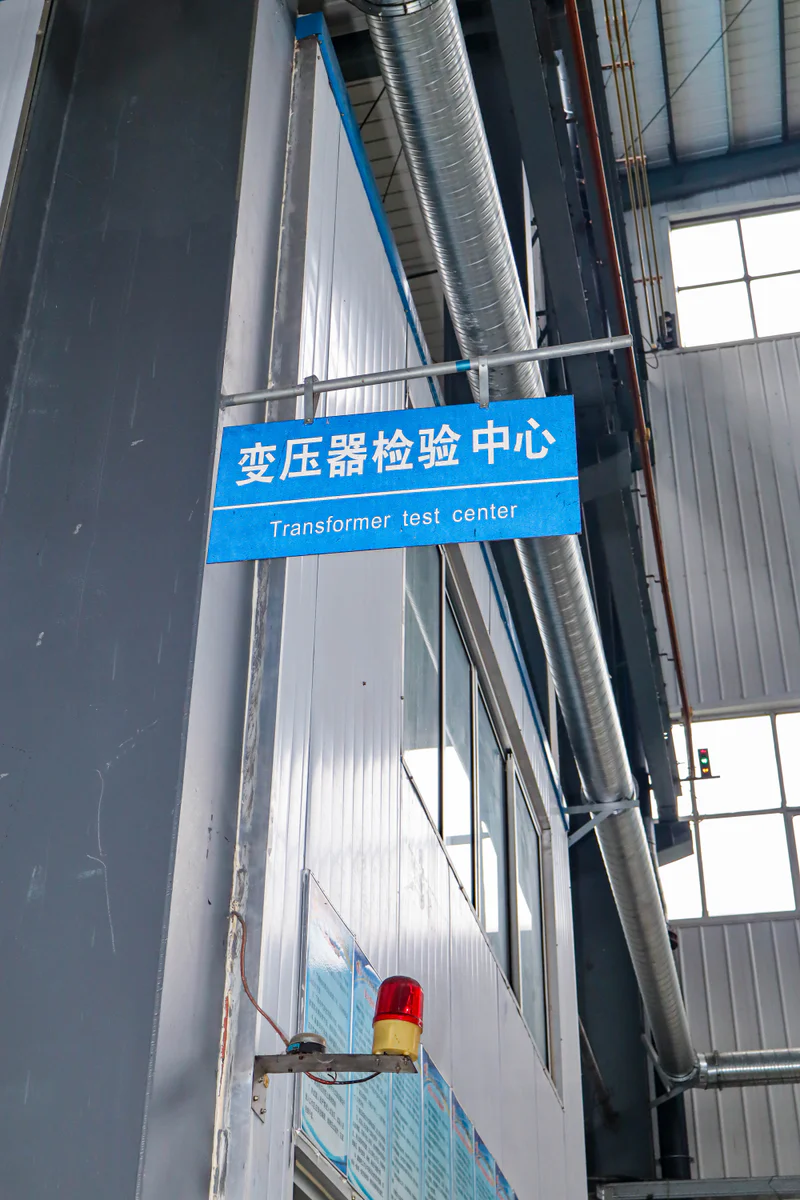
What Does Transformer Quality Control Include?
Quality control should not start at final testing. A transformer can pass a routine test and still give you trouble in the field if material quality, winding accuracy, insulation processing or assembly control were not managed during production.
A complete process begins with technical specification review, then moves through material inspection, core manufacturing, winding, insulation processing, assembly inspection, final testing, packing verification and document review before the unit ships to you.
Oil-immersed and dry type transformers differ in what their quality control has to cover, from insulation systems and enclosure structures to testing priorities.
Quality Control At Every Stage
From specification review to the final document check, every stage keeps your transformer on spec before it ships.
A Passing Test Report Won't Show You How A Transformer Was Built
Two transformers can share the same nameplate and pass the same routine tests, then behave very differently on site once load, heat and time build up. What sets them apart is how material, winding, insulation and assembly were controlled in production. Send your voltage, capacity, load condition and installation environment, and our engineers will review the build with you before it reaches the line.
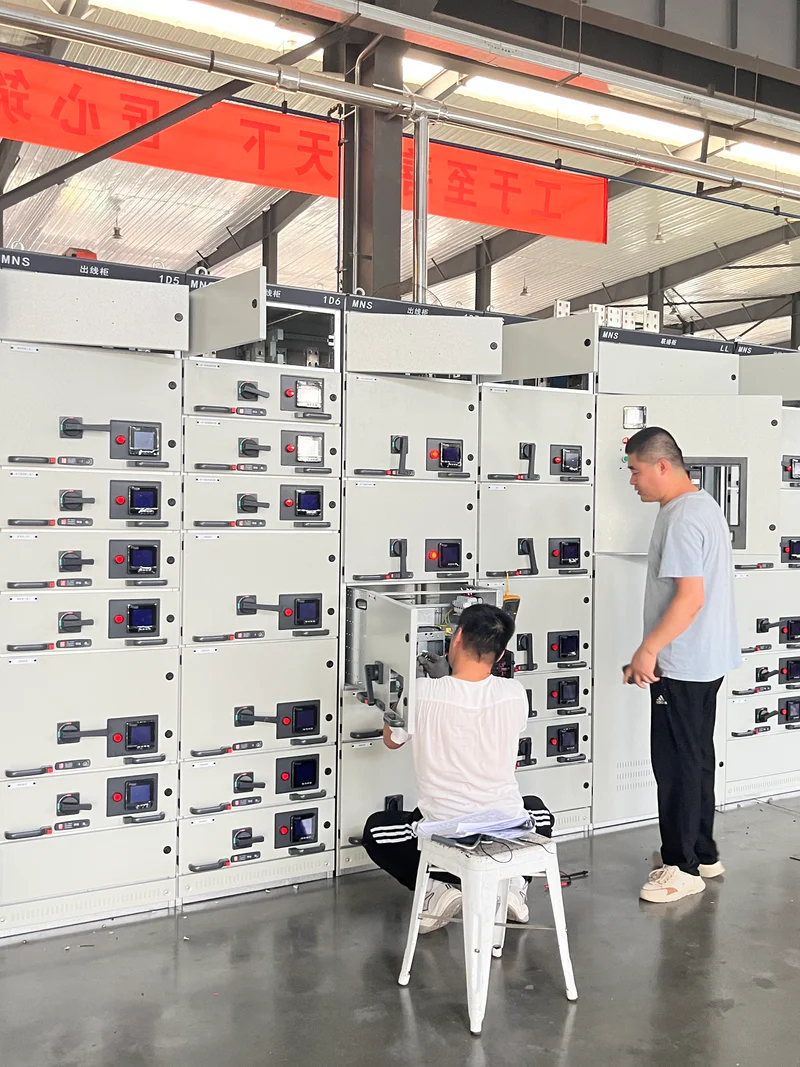
Why Quality Control Matters
Your transformer has to run reliably for years once it's installed. Most quality problems never show on the outside; they surface during commissioning or somewhere down the line in service.
That's why the final test report is only part of what's worth weighing before you place an order.
- The core, winding and insulation that decide reliability are sealed inside, where you can't inspect them.
- A unit that fails after installation pulls your project into costly downtime.
- Project approval and handover both depend on complete documentation.
- On overseas projects, on-site support is rarely a quick call away.
- Several transformers on one project need to perform the same way, every time.
- Production and test records keep your equipment traceable for years.
- Project specifications, standards and consultant requirements all have to line up.
- Real assurance means quality is controlled through manufacturing, not just signed off before shipment.
What This Page Covers
Jump straight to the quality control stage you care about, from technical review through to final documentation.
Quality Control Starts Before Production
Your transformer only performs the way you expect when the technical requirements are pinned down before manufacturing starts. The electrical, mechanical and environmental details get reviewed against your project specification first, so the unit is built to match what your site actually needs.
What May Need Confirmation
Worth locking in with us before the first cut.
- Rated Power
- Voltage Ratio
- Frequency
- Vector Group
- Impedance
- Insulation Level
- Cooling Method
- Ambient Temperature
- Installation Altitude
- Installation Environment
- Applicable Standards
- Required Accessories
- Documentation Requirements
Tight Manufacturing Can't Fix The Wrong Specification
A transformer built flawlessly to the wrong numbers still gives you application problems, schedule delays or extra cost down the line. Checking that your project requirements line up before any material is released keeps those issues off the table from the start, not after the unit is already on its way.
Quality Control Starts With Materials
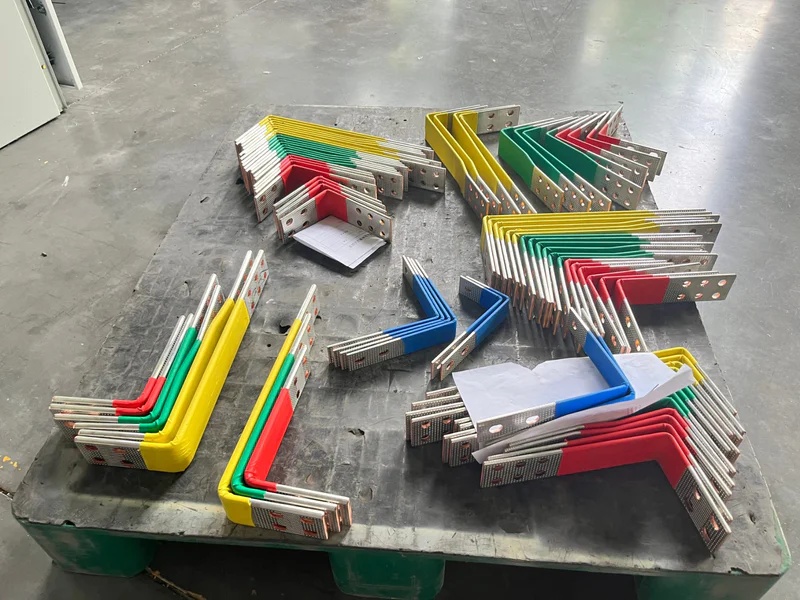
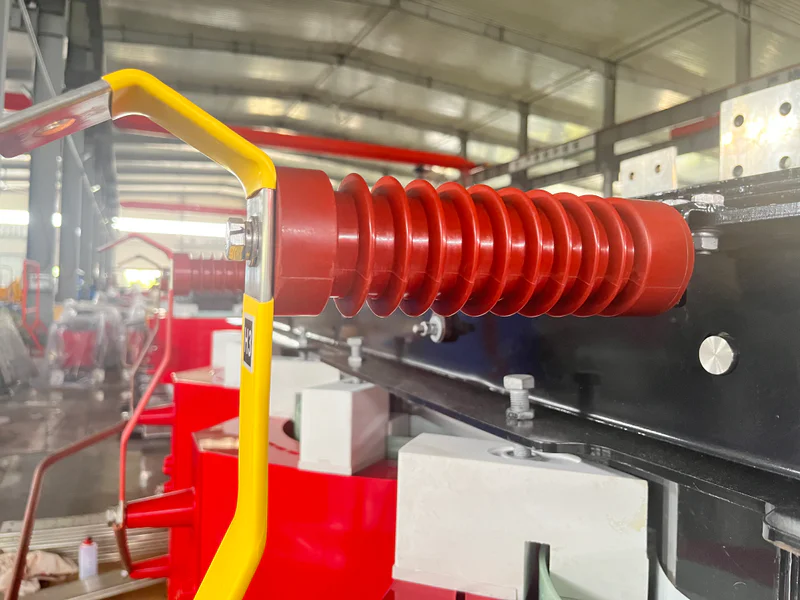
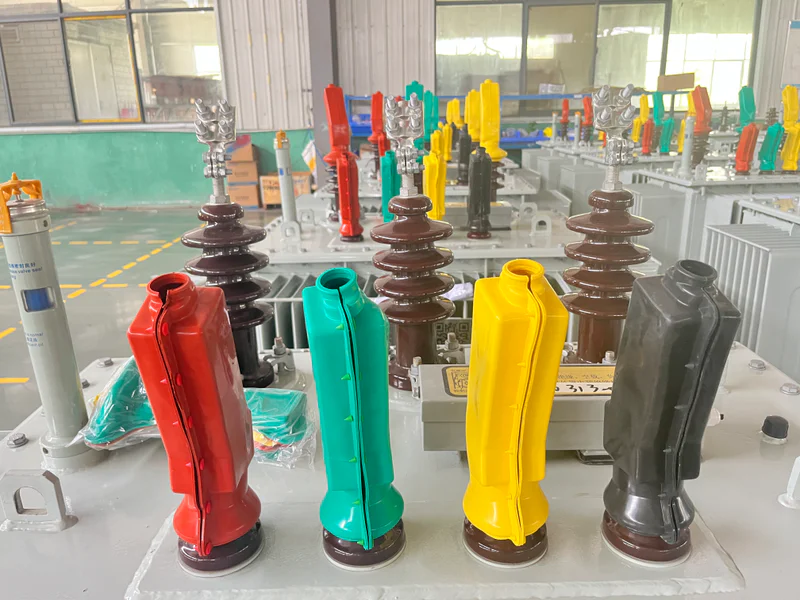
The materials inside your transformer decide how it performs, how reliable it stays and how long it lasts. Before production starts, incoming materials and major components are inspected against your project requirements. What gets checked differs by type, since oil-immersed and dry type units use different insulation systems and structural parts.
Materials & Components Inspected
- Silicon Steel Core
- Copper or Aluminum Conductors
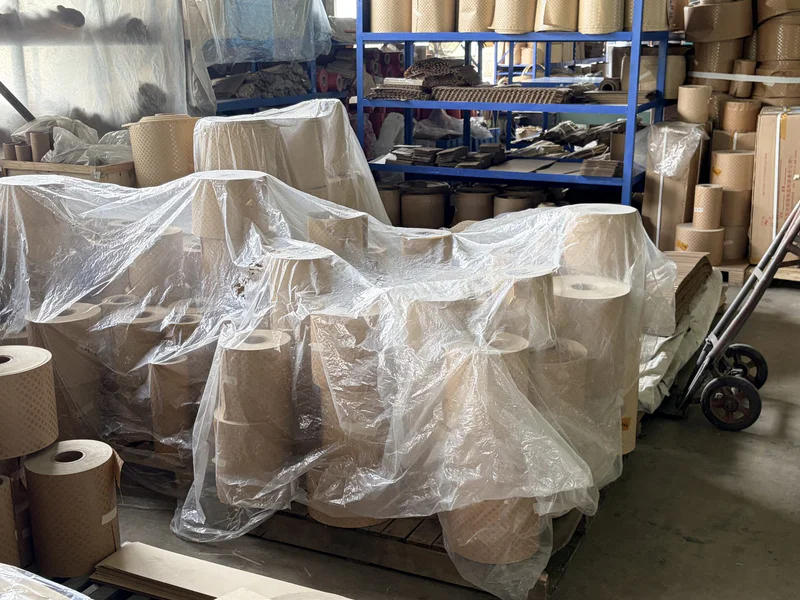
- Insulation Paper
- Transformer Oil
- Tank Steel
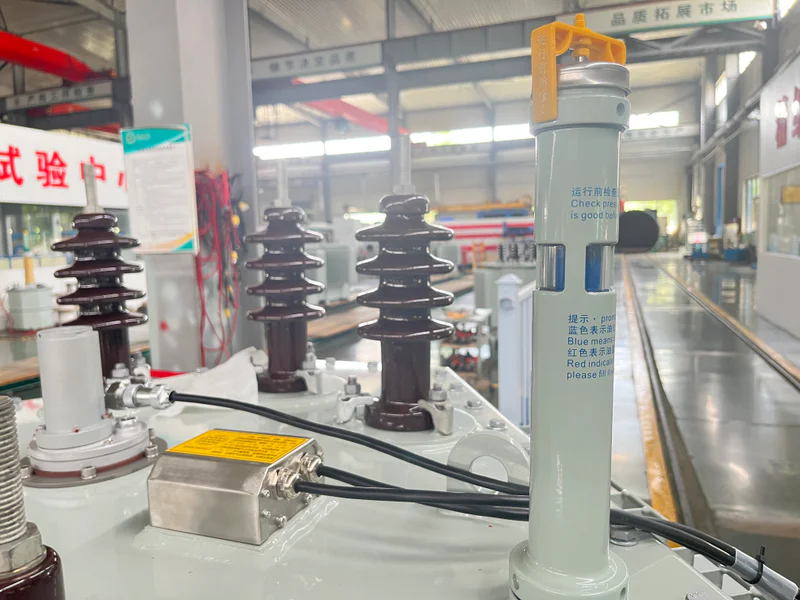
- Bushings
- Tap Changer
- Radiators
- Protection Accessories
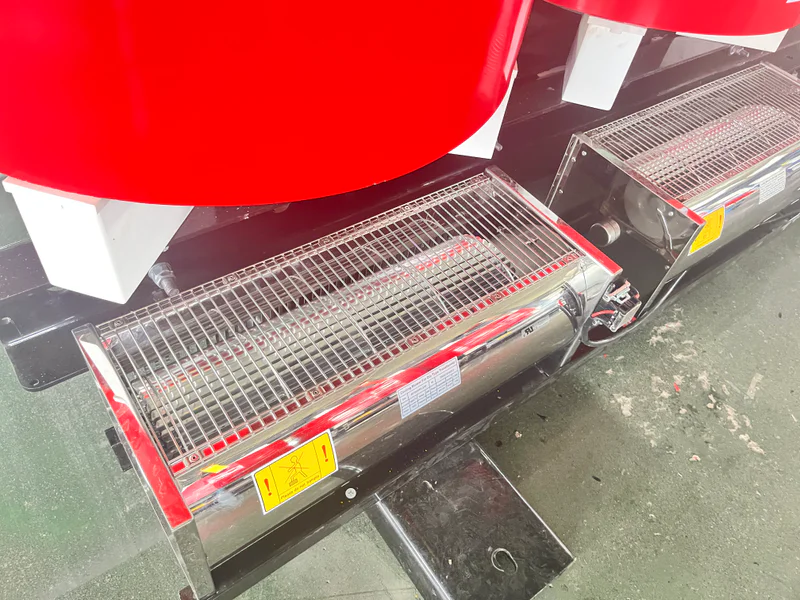
Materials & Components Inspected
- Silicon Steel Core
- Copper or Aluminum Conductors
- Epoxy Resin
- Insulation Materials
- Temperature Controller
- Cooling Fans
- Enclosure
- Terminals and Connections
The Foundation Of Transformer Efficiency
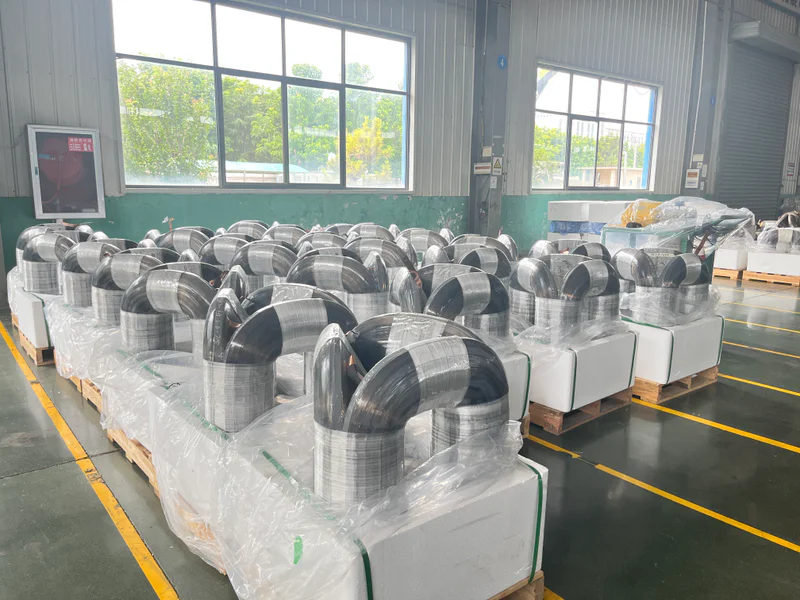
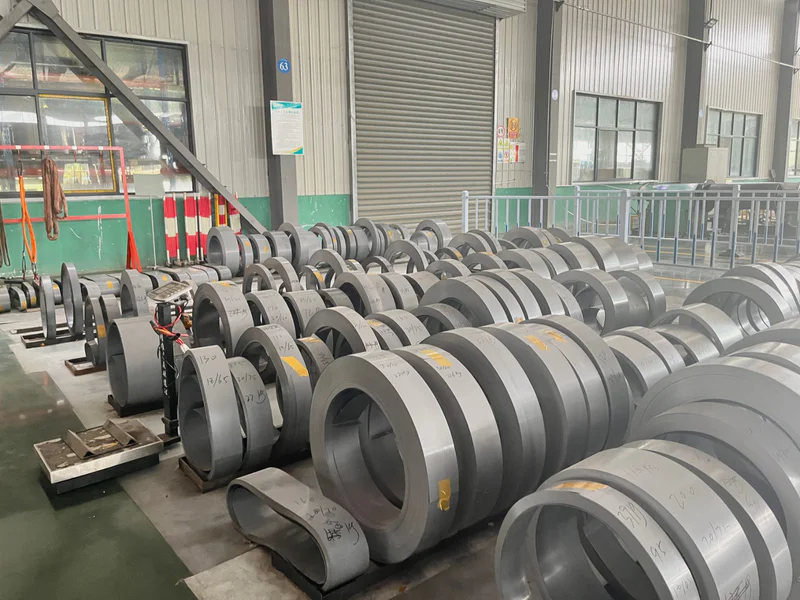
Core manufacturing drives your transformer's no-load loss, noise level and overall efficiency. Tight control through cutting, stacking and assembly holds the magnetic performance set at the design stage, on both oil-immersed and dry type units.
Silicon Steel Verification
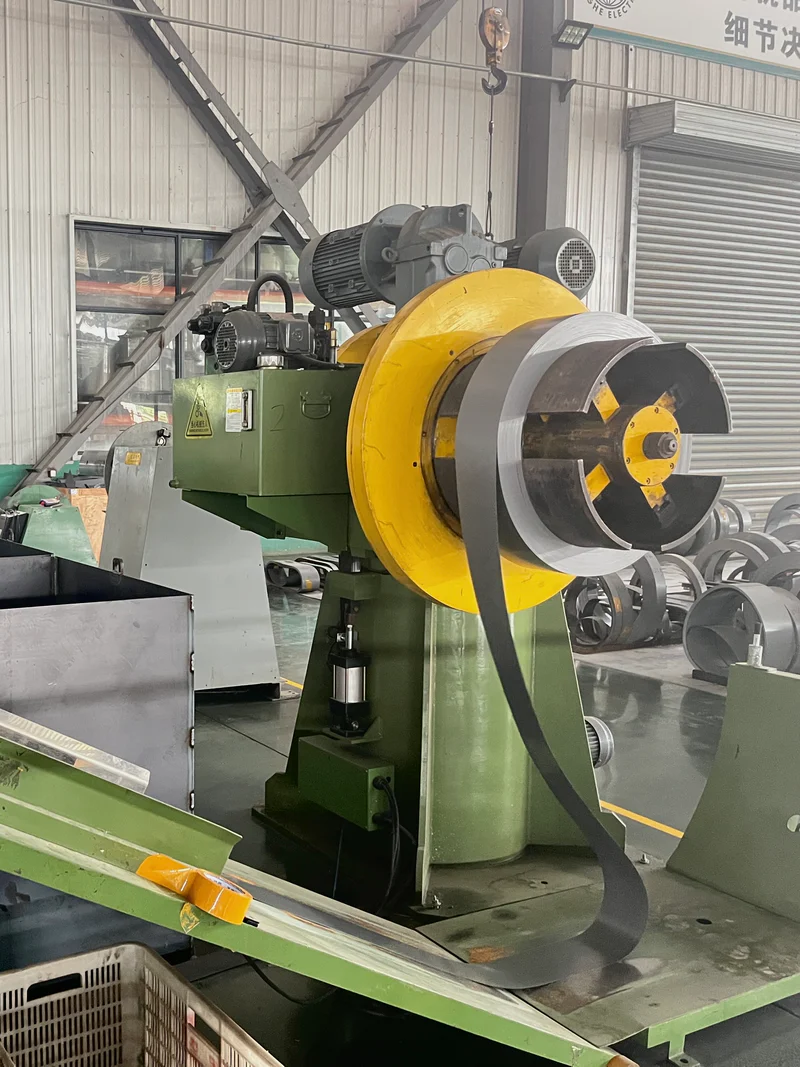
It starts with silicon steel that meets the right grade, thickness and coating. Material consistency is what keeps your core loss and magnetizing current where they should be.
Precision Cutting
Laminations are cut to design dimensions with burrs kept in check. Excess burrs push up eddy current loss, localized heating and no-load loss, so accuracy here pays off in the field.
Core Stacking
Laminations are stacked to the specified structure. Alignment, joint quality and stacking consistency shape how flux moves through the core and how efficient the unit runs.
Clamping And Assembly
The finished core is clamped to stay stable through transport and operation. Proper clamping also keeps vibration and operating noise down once it's energized.
Core Deviations Show Up Long Before Testing
A small slip in cutting, stacking or clamping rarely announces itself on the test bench. It surfaces later as higher no-load loss, extra heat or rising noise once your transformer is energized and loaded. Controlling the core through every step keeps loss down, efficiency up and operation steady across the years your project depends on it.
Consistent Performance Starts With Winding Quality
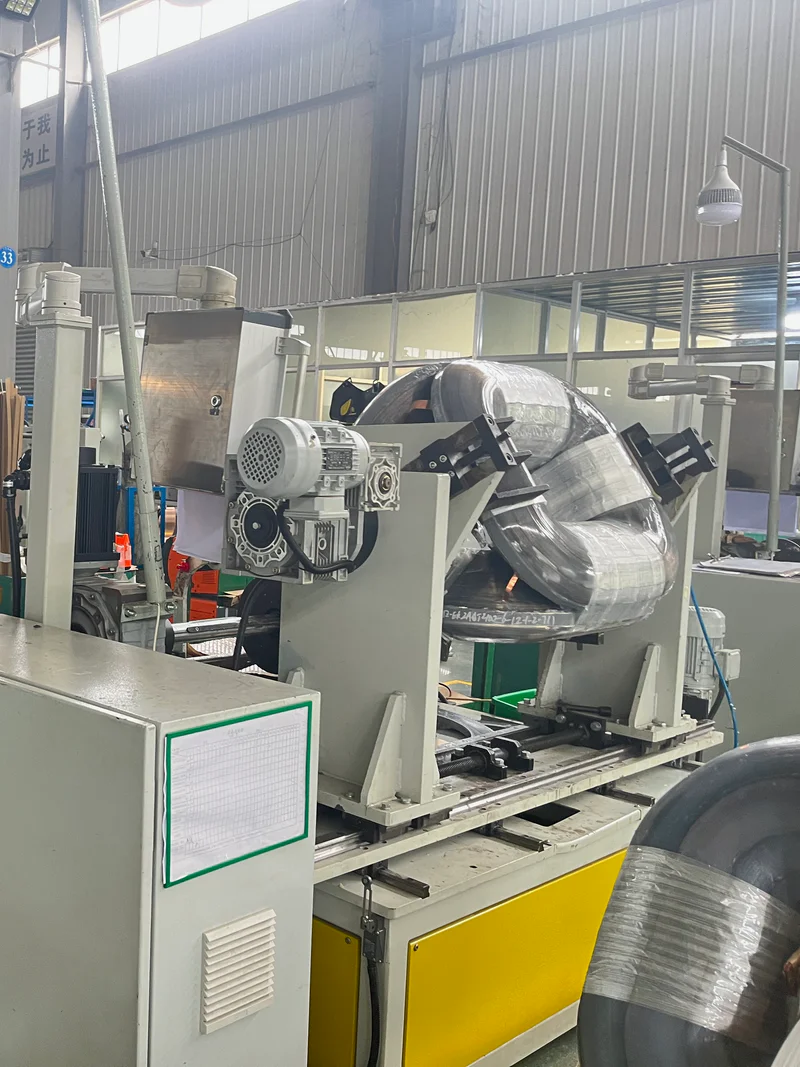
The winding is one of the most critical parts of your transformer. Conductor quality, winding accuracy and insulation integrity feed straight into temperature rise, electrical performance and mechanical strength. Control during winding confirms each one is built to design before insulation processing and assembly.
-
Conductor Inspection
Copper or aluminum conductors are checked before winding for dimensions, surface condition and material consistency.
-
Winding Dimensions
Dimensions are inspected throughout production to hold the electrical clearances and assembly tolerances your design calls for.
-
Turn And Layer Insulation
Insulation between turns and layers is inspected during winding to keep dielectric strength up and the risk of internal faults down.
-
Winding Tension Control
Consistent tension holds winding geometry and supports mechanical stability once the unit is in service.
-
Mechanical Strength
The winding structure is built to withstand the electromagnetic forces it meets in service, short-circuit events included.
-
Process Inspection Records
Production parameters and inspection results are recorded during manufacturing, so your unit stays verifiable and traceable.
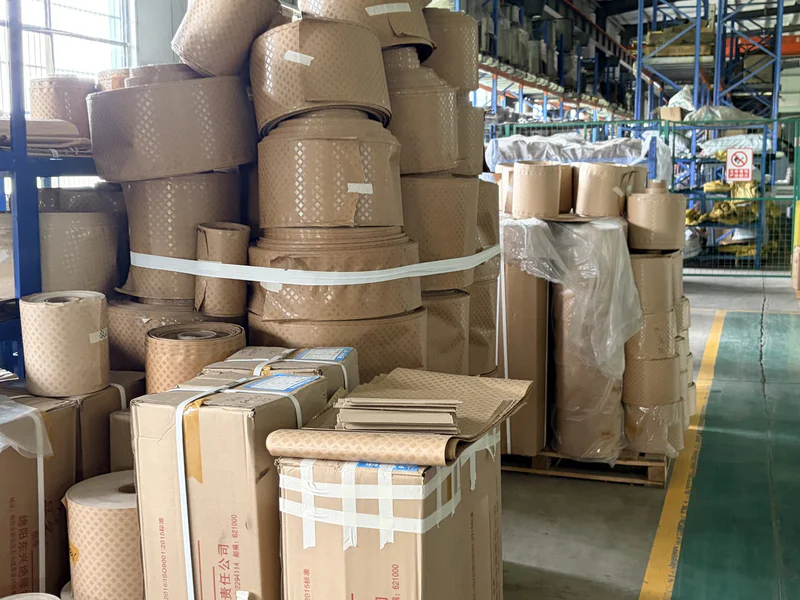
Different Transformer Types, Different Insulation Systems
Insulation decides how reliably your transformer holds up and how long it lasts. It has to take electrical stress, operating heat and site conditions across the whole lifecycle. Oil-immersed and dry type units use different insulation technologies, so what gets checked differs too.
Oil-Immersed Insulation
An oil-paper system, where moisture control and insulation processing drive dielectric performance and long-term reliability.
| Inspection Item | Purpose |
|---|---|
| Insulation Paper | Verify material quality and application |
| Moisture Control | Reduce insulation degradation risk |
| Drying Process | Remove residual moisture before oil filling |
| Vacuum Drying | Improve insulation performance |
| Oil-Paper Insulation System | Maintain dielectric strength throughout operation |
Dry Type Insulation
An epoxy resin system, where casting quality, curing consistency and partial discharge performance are the focus.
| Inspection Item | Purpose |
|---|---|
| Epoxy Resin Materials | Verify material quality and consistency |
| Vacuum Casting | Minimize air pockets and voids |
| Curing Process | Maintain insulation integrity |
| Partial Discharge Control | Support long-term insulation performance |
| Crack Prevention | Reduce insulation stress during operation |
Protection Starts With Structural Integrity
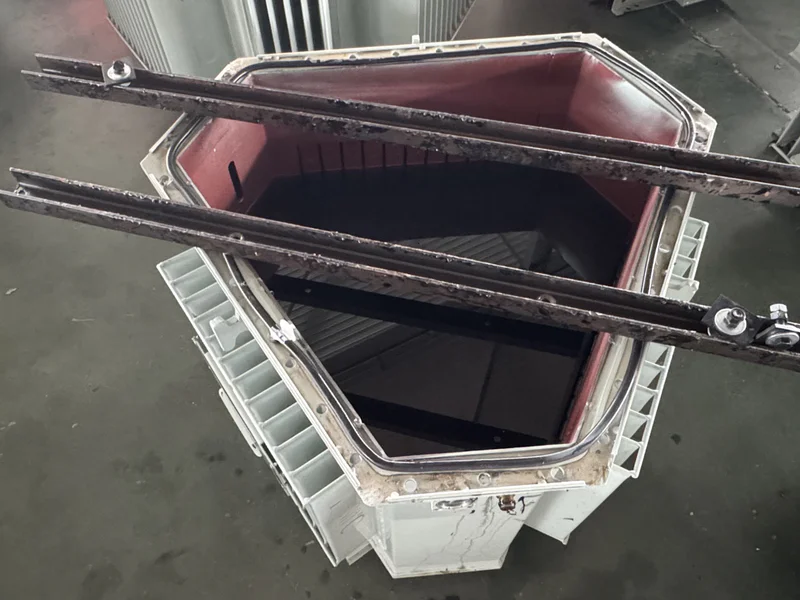
The tank or enclosure is the part you see and inspect first. It shields the internal components from the environment, mechanical impact and long-term stress. Control here centers on structural strength, sealing and protection, matched to your transformer type and where it's installed.
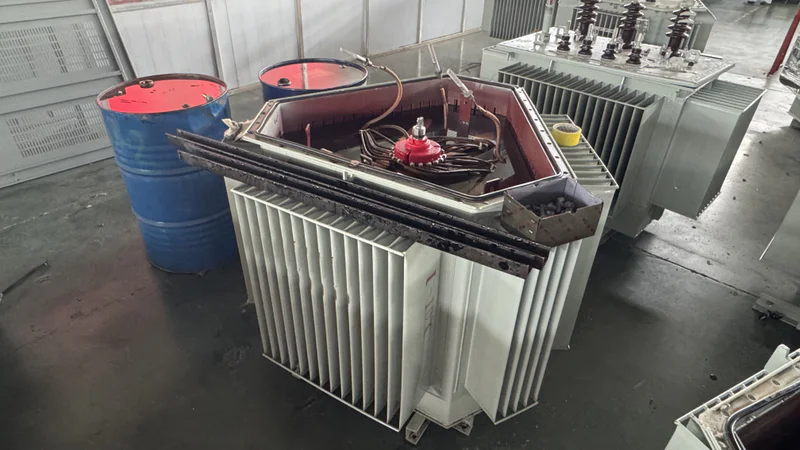
Sealed Tank Structure
A sealed tank has to contain the insulating oil and protect everything inside for the full service life, so sealing and leak prevention lead the inspection.
Inspection Focus
- Tank welding quality
- Leak prevention measures
- Sealing structure inspection
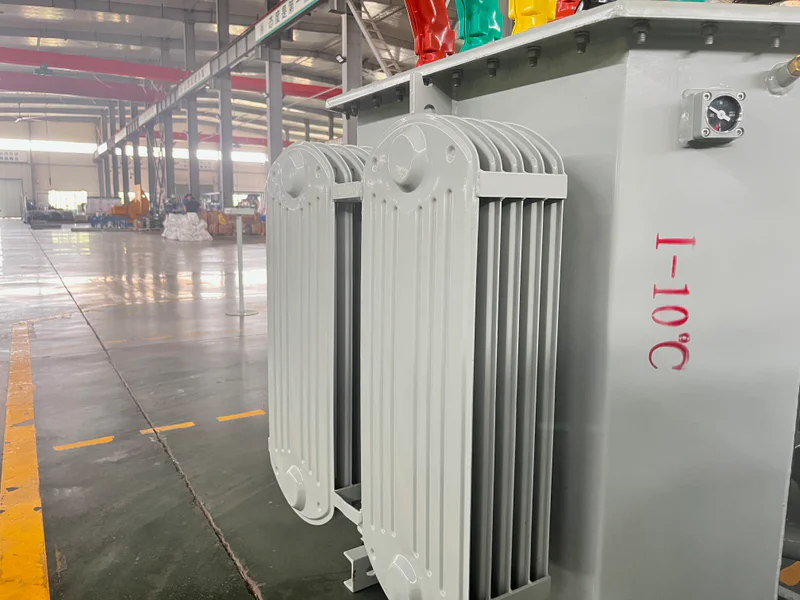
- Radiator connection inspection
- Surface preparation and coating
- Corrosion protection
- Pressure and leak testing
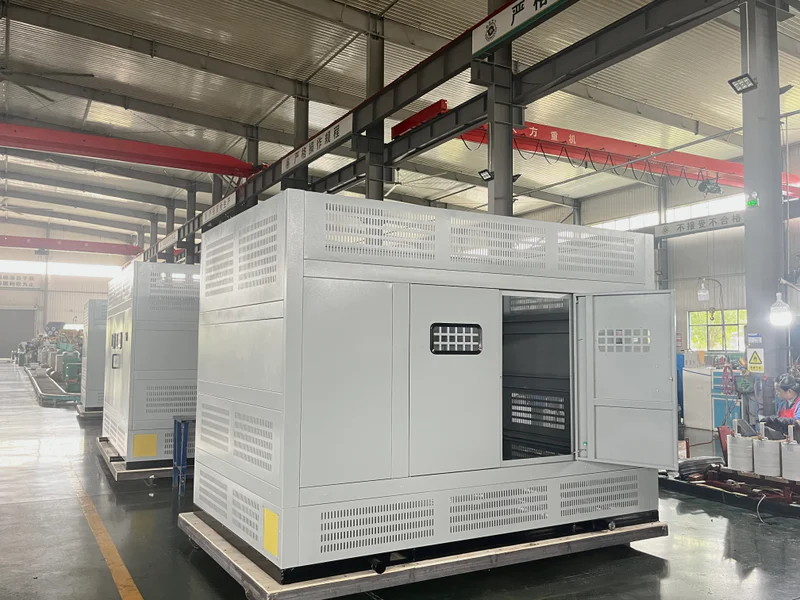
Protective Enclosure
A dry type unit ships with or without an enclosure depending on your site. The focus shifts to protection rating, ventilation and access rather than oil containment.
Inspection Focus
- Enclosure structure inspection
- IP protection requirements
- Ventilation opening design
- Cable entry arrangement
- Surface coating quality
- Anti-condensation options
- Mechanical protection requirements
Built For The Field It Ships To
Your transformer might land in an outdoor substation, an industrial plant, a commercial building or a harsh coastal site. Inspecting tanks, enclosures and protective structures cuts the risk of oil leakage, corrosion, moisture ingress and transport damage before it reaches you. Tell us where it's going, and the structure gets checked against those conditions before it leaves the floor.
Every Detail Is Checked Before Testing
Before your transformer enters the testing stage, assembly inspections confirm that major components, electrical connections and auxiliary devices are installed to the approved design. Catching an assembly deviation here means it never carries into routine testing or out to your site.
Assembly Inspection Checklist
- Core and Coil Assembly
- Internal Clearances
- Insulation Distances
- Terminal Connections
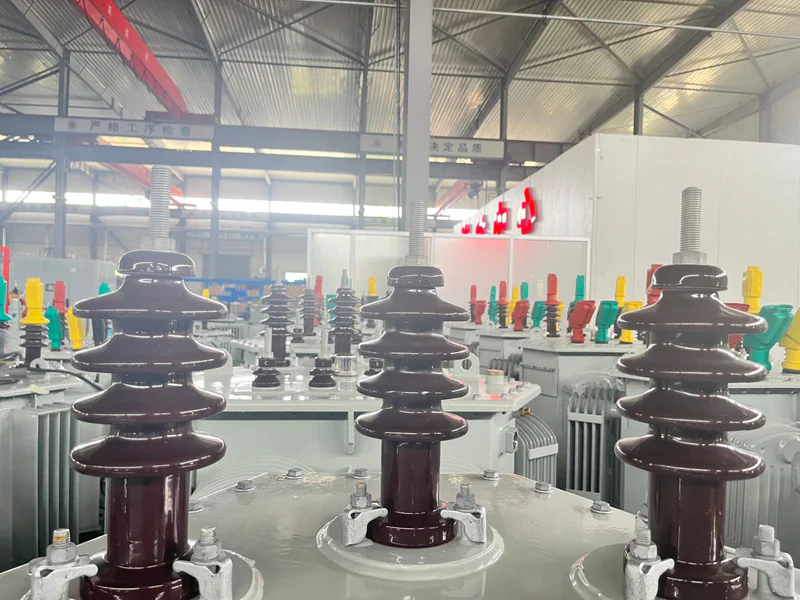
- Bushing Installation
- Tap Changer Assembly
- Protection Devices
- Temperature Sensors
- Fan and Controller Wiring
- Grounding Connections
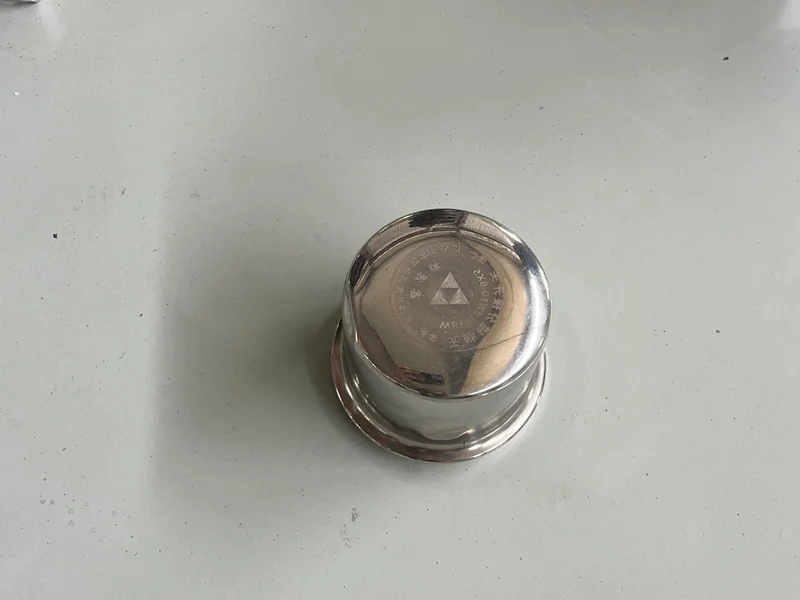
- Nameplate Verification
- Mechanical Fasteners
Want the full inspection record for your unit? Send your specs and we'll walk you through every checkpoint before testing.
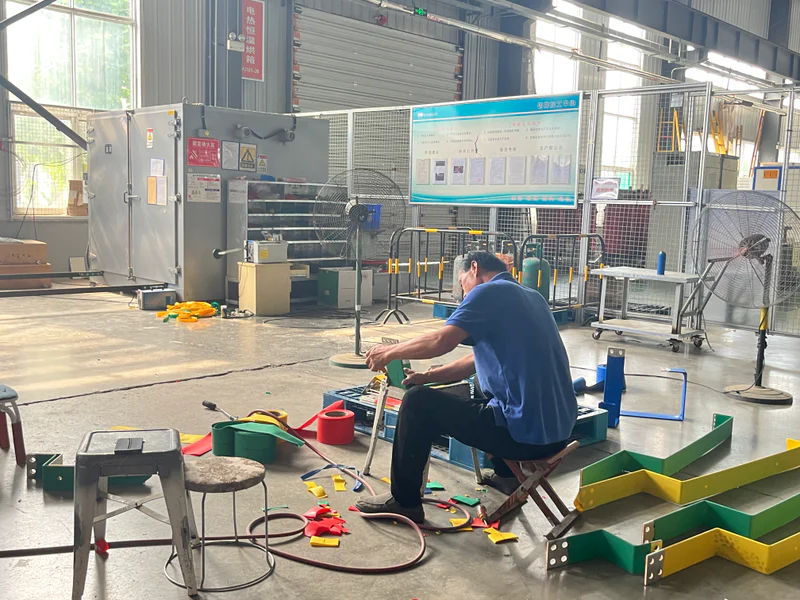
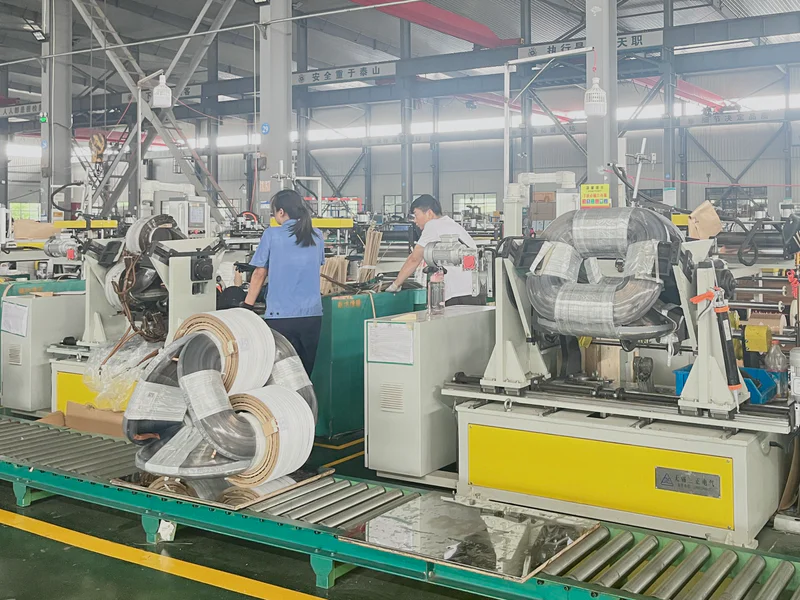
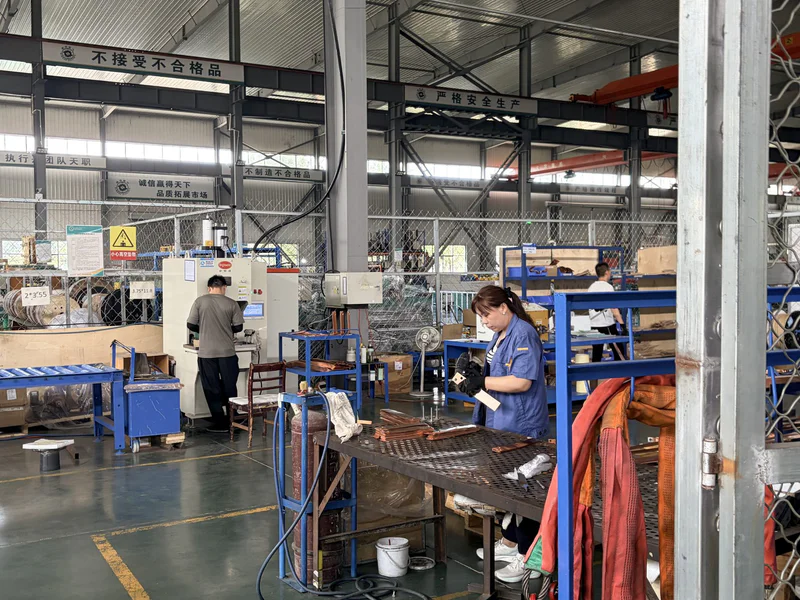
Quality Control Takes More Than Inspection
Checking the product is only half of it. Inspection results, production data and test records are documented across the whole build, so your transformer stays consistent, traceable and easy to reference later. The paper trail confirms every requirement was followed from material inspection through final testing.
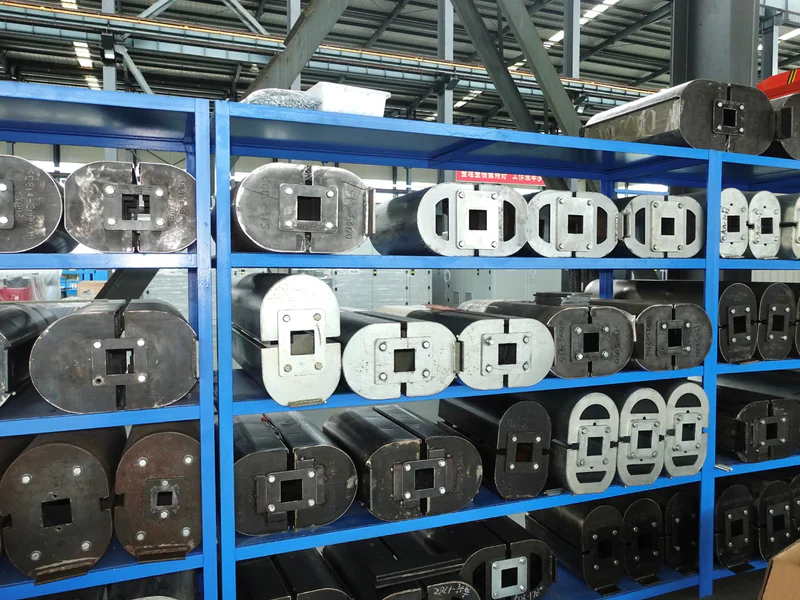
Material Inspection
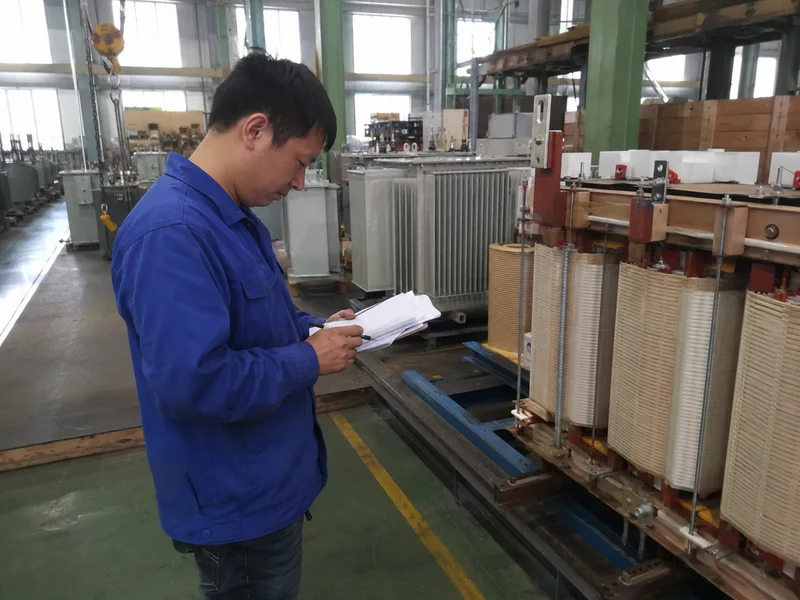
Production Records
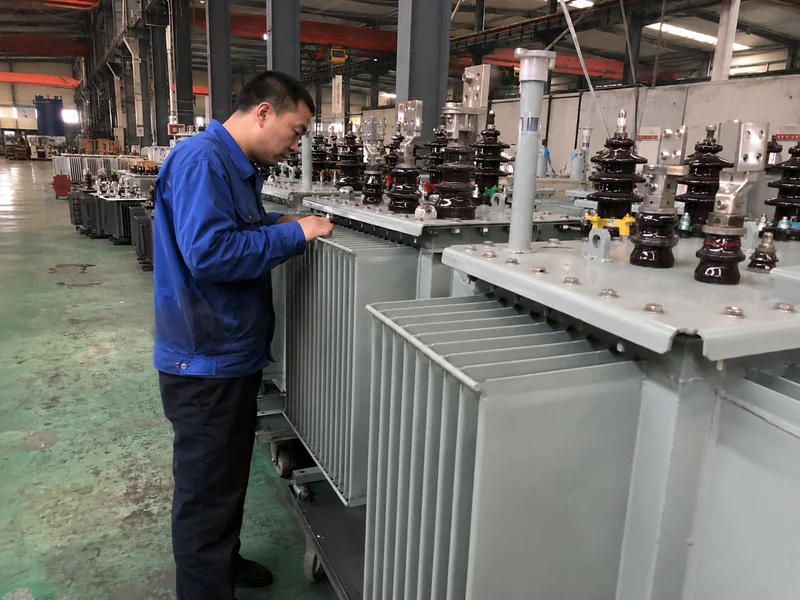
Process Inspection
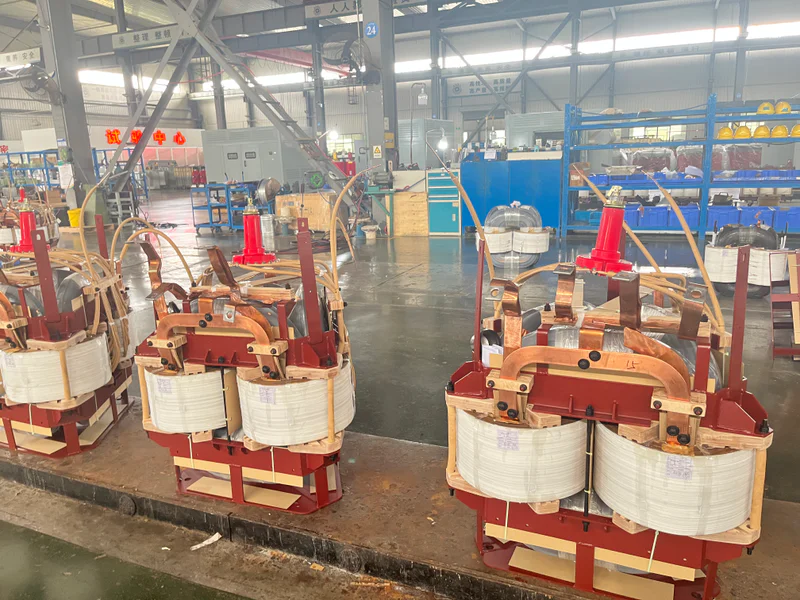
Assembly Verification
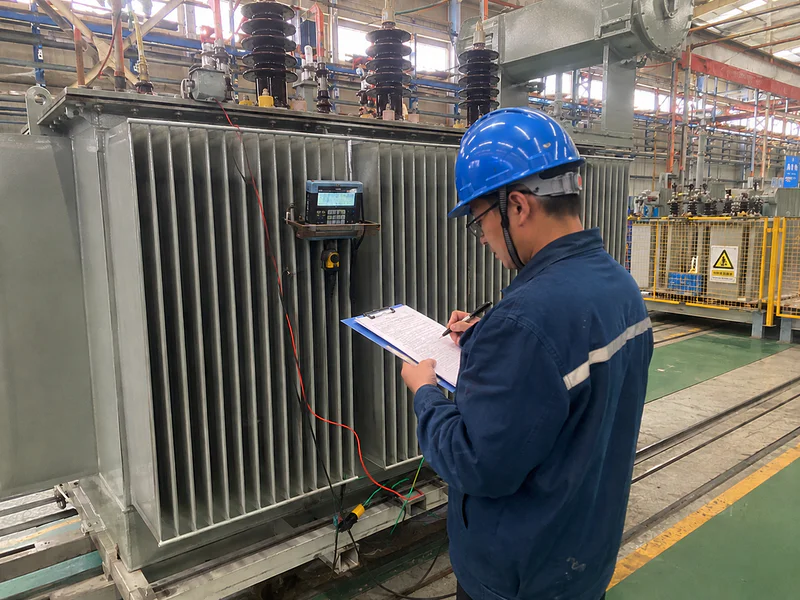
Test Records
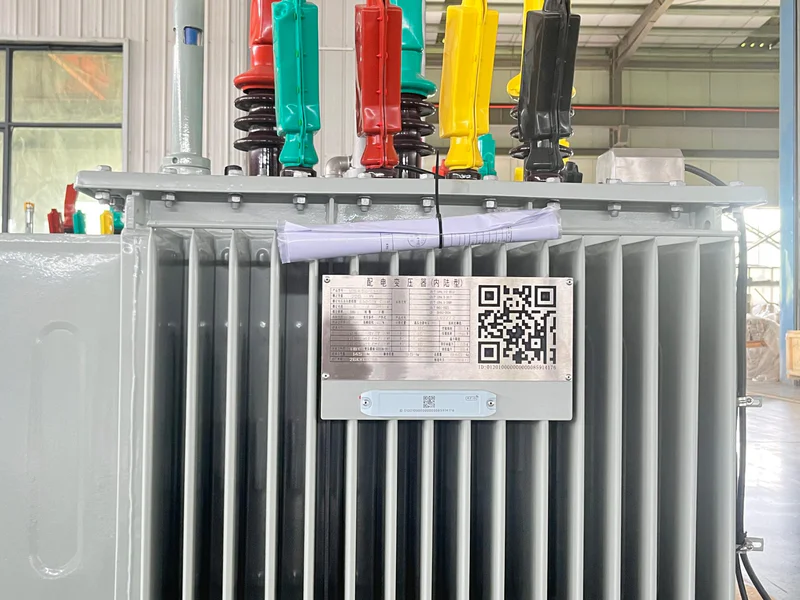
Serial Number Tracking
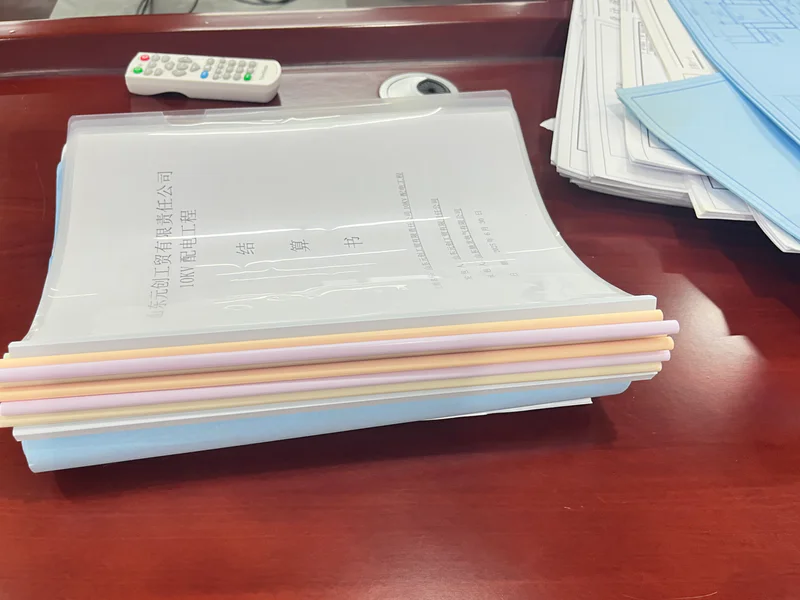
Project Documentation
Swipe to see all seven stages
What May Be Recorded
From the first material check to the final document pack, each record gives your project a verifiable trail you can lean on during approval, handover and any reference down the road.
| Record Type | Purpose |
|---|---|
| Material Inspection Records | Verify incoming material compliance |
| Production Records | Track key manufacturing activities |
| Process Inspection Records | Document in-process inspections |
| Assembly Inspection Records | Confirm assembly verification |
| Test Data Records | Support quality validation |
| Serial Number Records | Enable product traceability |
| Non-Conformance Records | Track quality issues and corrective actions |
| Project Documentation | Support delivery and future reference |
Every Transformer Is Tested Before Shipment
Final testing runs once manufacturing and assembly inspections are done. It confirms your transformer meets the specified electrical and mechanical requirements before it leaves, and the results feed straight into project approval, factory acceptance and your quality documentation. Testing matters, but keep in mind it's one stage within the whole process, not the whole story.
What Gets Verified During Final Testing?
Testing confirms your transformer was built to the approved design and project requirements. Depending on type and specification, it checks across performance, insulation and accessory function.
Verified before your unit ships, not after it lands on site.
- Electrical Performance
- Voltage Ratio Accuracy
- Winding Resistance
- Insulation Integrity
- Impedance Characteristics
- Loss Performance
- Accessory Functional Operation
- Standards Compliance
Testing Requirements Vary By Transformer Type
What gets tested shifts with the technology inside your unit, and every result lands in your project quality package. Here's where the focus falls for each type.
Performance, Insulation & Accessories
Testing covers electrical performance, insulation condition, loss values and the operation of accessories like tap changers and protection devices, the parts that keep an oil-filled unit running safely under load.
Performance, Insulation & Temperature
Testing covers electrical performance, insulation condition, temperature monitoring systems and the other components tied to dry type operation, where heat management and resin insulation take priority.
Test Reports & Documentation
- Routine test reports for your unit
- Quality records for project review
- Documentation for approval and handover
Go Deeper On Transformer Testing
Quality control runs across the whole build, while testing zeroes in on verifying performance before shipment. For the full procedures and test items, head to the dedicated testing pages.
Protection Continues Beyond Manufacturing
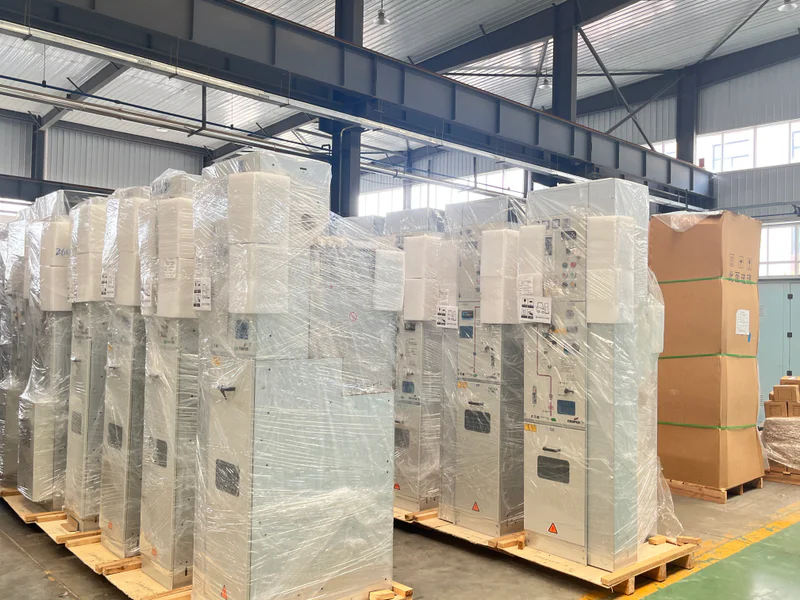
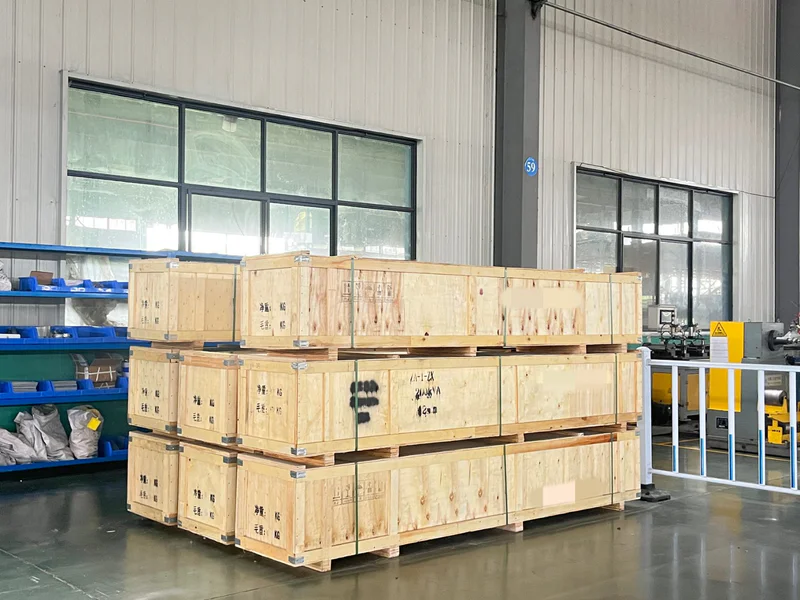
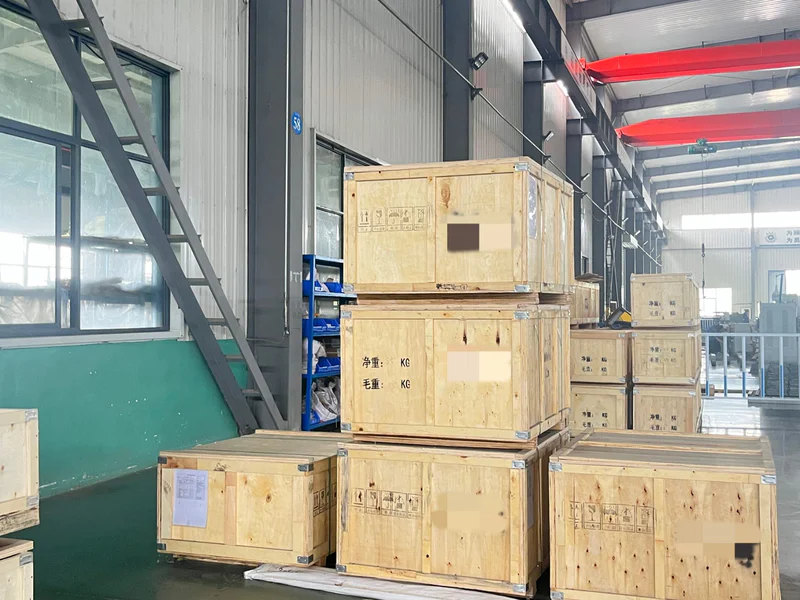
Quality control doesn't stop at testing. Before your shipment leaves, packing and loading inspections confirm the transformers, accessories and project documents are ready for the journey to your site, ocean freight, handling and all.
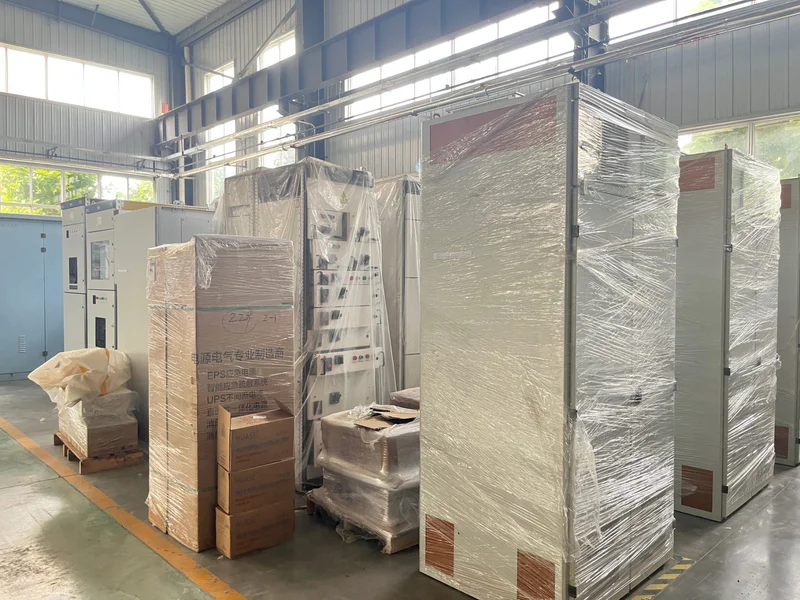
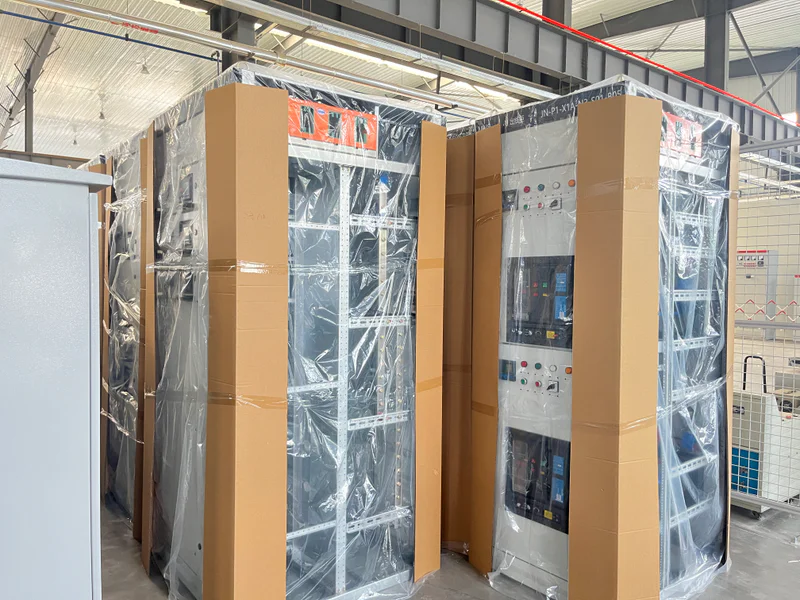
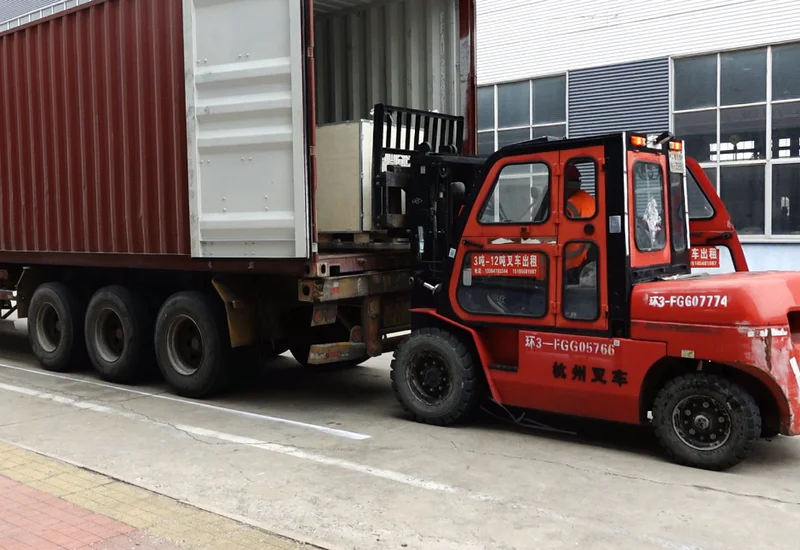
What's Checked Before Your Shipment Leaves
Eight inspection points confirm your transformer and its documents are ready for the road and the site, not just the warehouse floor.
-
Packing Condition
Protect equipment during transportation
-
Moisture Protection
Reduce exposure to humidity
-
Accessories Checklist
Verify completeness of shipment
-
Marking And Labels
Support handling and installation
-
Packing List Verification
Match project requirements
-
Photo Documentation
Record shipment condition
-
Container Loading Check
Reduce transportation risk
-
Shipping Documents
Confirm delivery documentation
Documentation Is Part Of Delivery
On most projects your transformer arrives alongside its quality records, test documents and technical manuals. A complete document set backs up your project approval, installation, commissioning and the maintenance work that follows.
Quality Certificate
Confirms product inspection and release before shipment.
Routine Test Report
Provides test results completed before delivery.
Inspection Records
Documents inspection activities completed during manufacturing.
Packing List
Lists equipment, accessories and shipment contents.
User Manual
Provides operating guidance and product information.
Installation Manual
Supports site installation and commissioning activities.
Operation & Maintenance Manual
Provides maintenance recommendations and service information.
Certificate Of Origin
Available when required for international shipments.
Compliance Documentation
Supports project-specific standards and documentation requirements.
FAT Report
Available when factory acceptance testing is specified by the project.
The exact document set depends on your project requirements and destination. Tell us what your approval process needs and we'll confirm what's included.
Your Records Stay Reachable After Delivery
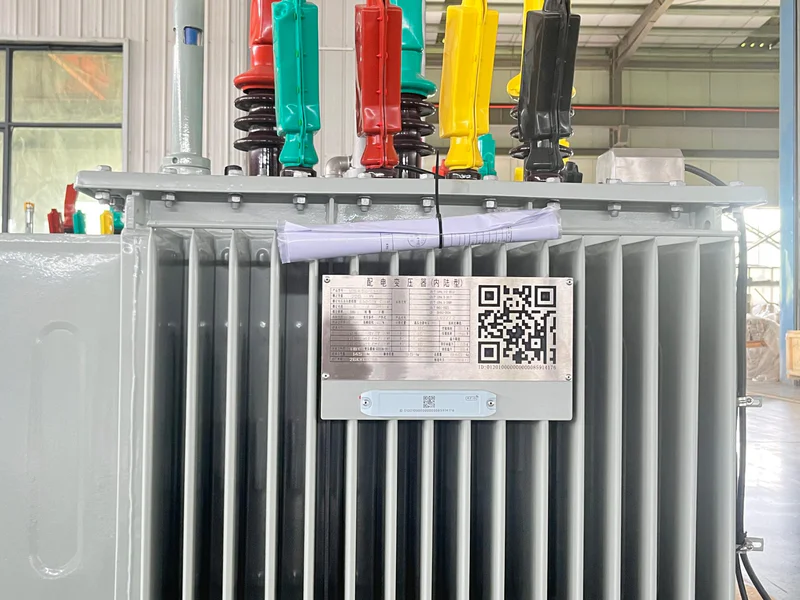
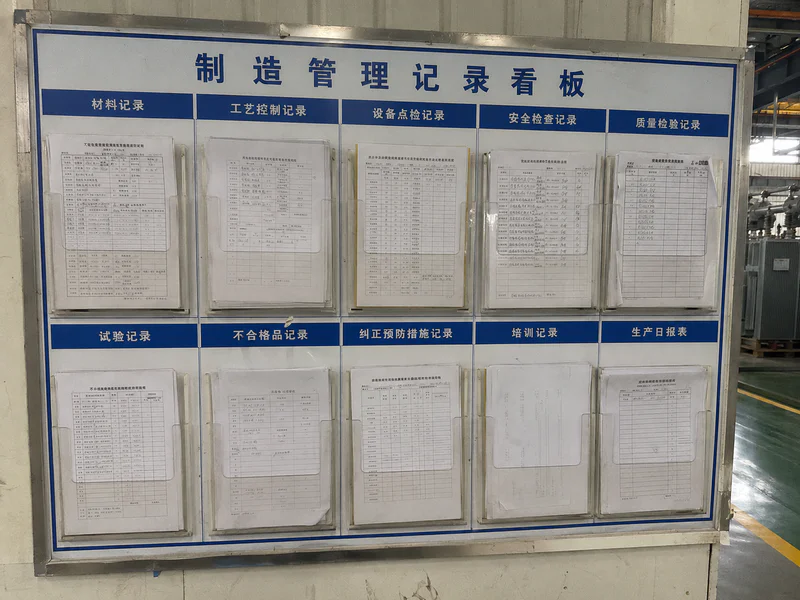
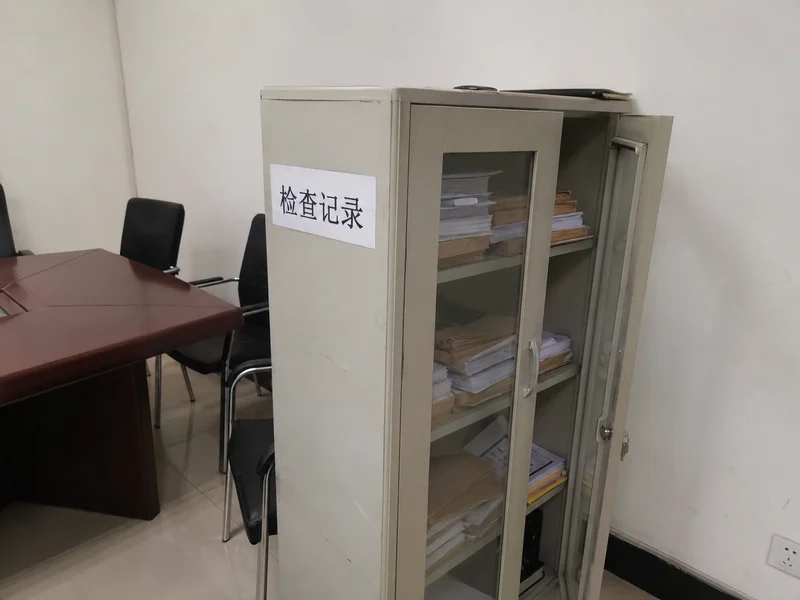
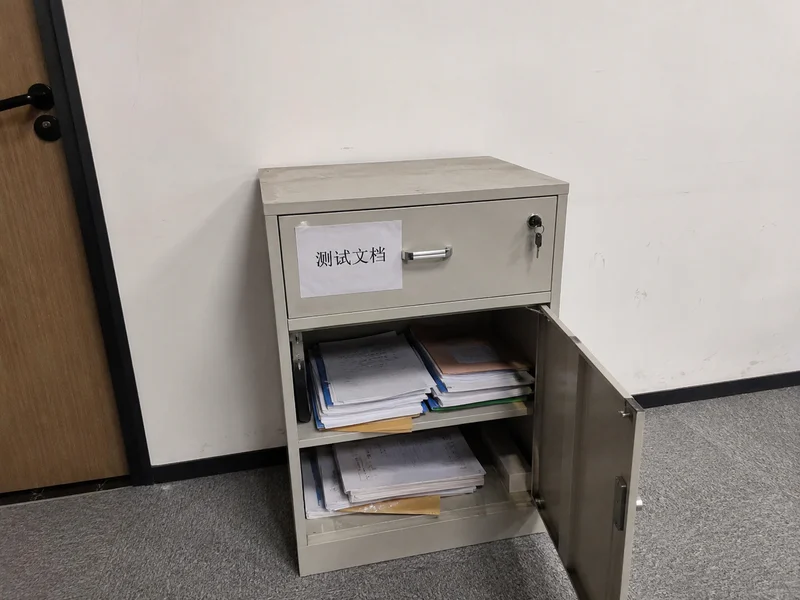
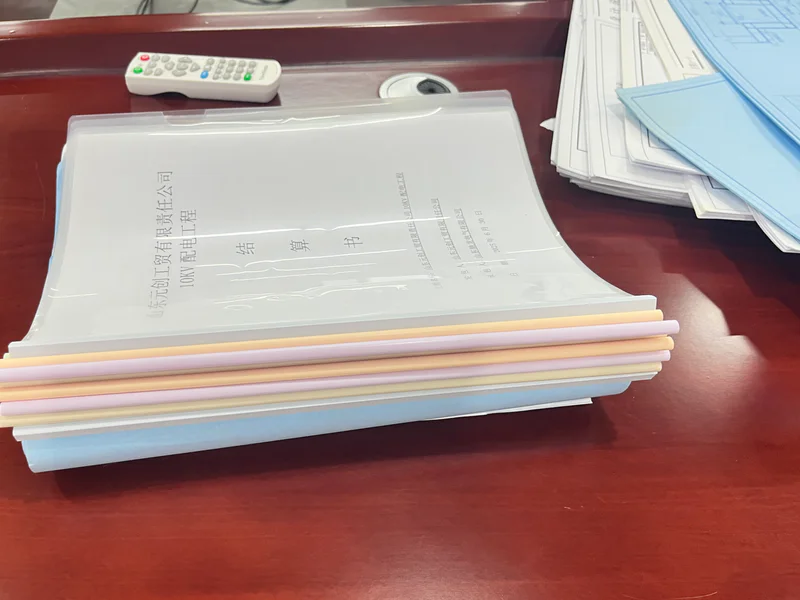
Your transformer may run for decades. Across that service life, maintenance, inspections, upgrades or troubleshooting can call for the original manufacturing and testing information. Traceability keeps the unit you received tied to its production records, inspection history and test documentation.
Support Beyond Shipment
Delivery isn't always the end of your project. You may need a hand during installation, commissioning, operation or maintenance. Depending on what your project calls for, that can include document assistance, technical clarification, spare parts recommendations and troubleshooting guidance. Reach out whenever a question comes up, before or long after your transformer is energized.
Quality Control Questions, Answered
The questions buyers ask most about how your transformer is checked, tested and documented before it ships.
What does your transformer quality control process include?
It begins before production and runs through material inspection, core manufacturing, winding, insulation processing, assembly inspection, final testing, packing verification and document review. The point is to confirm quality across the whole build, not lean on a single test before shipment.
Do you inspect raw materials before production?
Yes. Incoming materials and major components are inspected before they enter production. Depending on type, that covers silicon steel, conductors, insulation materials, transformer oil, epoxy resin, bushings, tap changers, cooling components and other critical accessories.
How do you control winding quality?
Through conductor inspection, dimensional verification, insulation checks, winding tension control and process inspections during manufacturing. Together these hold the electrical performance, mechanical strength and insulation reliability your unit needs.
How do you control insulation quality in oil-immersed transformers?
These units rely on an oil-paper insulation system. Control can include inspection of insulation materials, moisture control, drying processes, vacuum drying procedures and insulation system verification before final assembly.
How do you control insulation quality in dry type transformers?
Dry type units use epoxy resin and solid insulation materials. Control can include resin inspection, vacuum casting control, curing process verification and measures aimed at reducing partial discharge risk and insulation defects.
How do you help prevent oil leakage in oil-immersed transformers?
It starts during tank manufacturing and assembly. Inspection can include welding quality verification, sealing inspections, radiator connection checks and leak testing before shipment. Proper surface treatment and corrosion protection also support long-term sealing.
Is every transformer tested before shipment?
Transformers are tested once manufacturing and assembly inspections are done. Testing confirms your unit meets the specified electrical and performance requirements before delivery, and the results go into your project documentation package when required.
Can you provide test reports and quality documents?
Yes. Available documentation can include routine test reports, quality certificates, inspection records, packing lists, installation manuals, operation and maintenance manuals and other project-specific documents. The final package depends on your project requirements and contract specifications.
Do you keep production and testing records?
Production, inspection and testing records can be maintained to support quality traceability and your project documentation needs. They help with future technical reviews, maintenance work and project reference down the line.
How can a transformer be traced after delivery?
Traceability runs through nameplate information, serial numbers, manufacturing records and testing documentation. Those records connect your delivered transformer back to its production history and quality documents.
Can you support factory acceptance testing (FAT)?
Yes. Factory acceptance testing can be arranged when your project or requirements call for it. Test procedures, witness arrangements and documentation are confirmed with you before testing begins.
What support is available after delivery?
Technical support can cover installation, commissioning, documentation review, troubleshooting and maintenance questions. The scope depends on your project requirements and the equipment supplied.
Send Your Project Requirements
Share your specs or quality requirements. Arlo replies personally within 24 hours with quotation, drawings and a clear next step.
Hi, I'm Arlo.
Your Transformer Project Contact
Every message here reaches me personally, no bots, no junior reps. Send what you have and I come back with technical answers, not a brochure.
A single line diagram, spec sheet or rough scope is enough to start. We've turned rough requirements into delivered, fully documented transformers for EPC contractors and project engineers across 45+ countries.
+86 153 0640 9721
Reply Time
Within 24 Hours
Tell Us About Your Project
Fields marked are required.