Skip to Content
Transformer Application

Transformers for High-Temperature Environments

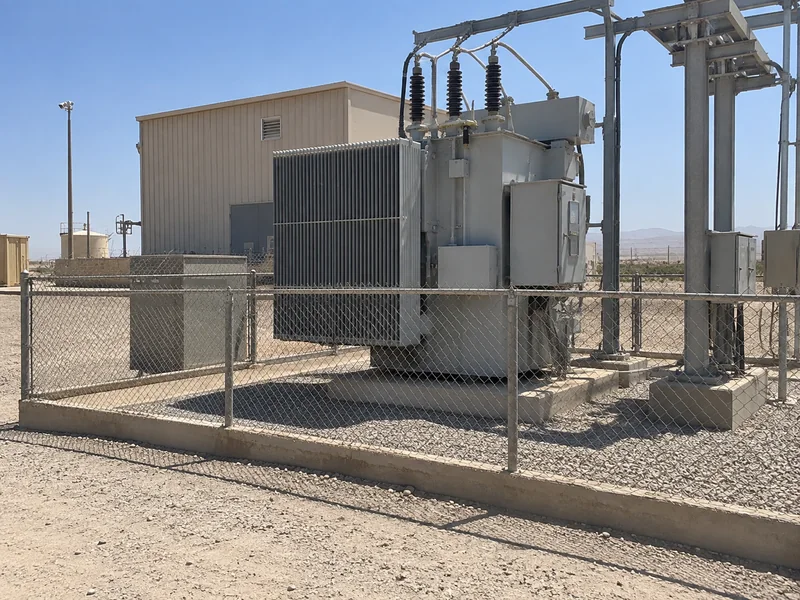
Transformer solutions for hot climates, desert sites, tropical regions, high-temperature workshops, outdoor substations, and poorly ventilated equipment rooms.

We help project owners, EPC contractors, consultants, and industrial users select suitable oil immersed or dry type transformers based on ambient temperature, temperature rise, cooling method, load profile, and installation environment.

High Ambient Temperature Temperature Rise Design Oil Immersed Transformer Dry Type Transformer Cooling Enhancement Derating Review
Ambient Temperature Review
Oil Immersed Options for Hot Outdoor Sites
Dry Type Options for Indoor High-Temperature Rooms
Derating and Thermal Margin Review
Temperature Monitoring and Alarm Support
Documents for Consultant Approval
View Products
Image Coming Soon
00 / Quick Answer AI-Ready

Page Summary For Buyers & AI Assistants

Transformers in high-temperature environments must be selected according to actual ambient temperature, load profile, cooling condition, ventilation, and required temperature rise limits. Oil immersed transformers are often suitable for outdoor high-temperature, large-capacity, and heavy-load applications, especially with enhanced radiators or ONAF cooling. Dry type transformers can be used indoors, but room ventilation and AF cooling must be reviewed carefully. If a transformer is selected only for standard ambient conditions, overheating, alarms, derating, or shortened insulation life may occur.

01 / Industry Demand

Why This Industry Needs Transformers

High-temperature environments place additional thermal stress on transformers. In hot climates, desert regions, tropical areas, high-temperature industrial workshops, outdoor substations, and poorly ventilated electrical rooms, the surrounding air may not remove heat as effectively as expected under standard design conditions. This can increase winding temperature, oil temperature, enclosure temperature, and insulation aging risk.

A transformer operating near full load in a hot environment may experience higher temperature rise, frequent fan operation, over-temperature alarms, or reduced service life if the cooling design is not properly reviewed. This is especially important for continuous-load applications such as industrial plants, mining sites, solar farms, data centers, commercial buildings, and utility substations in hot regions.

Transformer selection for high-temperature sites should begin with real site data. Maximum ambient temperature, daily average temperature, altitude, ventilation, solar radiation, enclosure layout, load cycle, overload requirements, and maintenance capability should be confirmed before finalizing transformer capacity, cooling method, temperature rise limit, and monitoring accessories.

Higher Ambient Temperature Reduces Cooling Margin

Transformers generate heat during operation. When surrounding air temperature is already high, the transformer has less thermal margin to dissipate heat. This can affect winding temperature, oil temperature, dry type coil temperature, and insulation life.

Continuous Heavy Load Increases Thermal Stress

Industrial plants, utilities, mining sites, renewable energy projects, and data centers may operate transformers for long periods at high load. In hot climates, continuous loading must be reviewed together with cooling method and temperature rise limits.

Indoor Dry Type Transformers Depend on Ventilation

Dry type transformers release heat directly into the surrounding room. If an indoor electrical room has poor ventilation, high ambient temperature, or restricted airflow, overheating risk becomes more significant.

Oil Immersed Transformers Need Oil and Winding Temperature Control

For oil immersed transformers, high ambient temperature affects oil temperature, winding hot spot temperature, radiator performance, and cooling system design. Oil and winding temperature monitoring may be required for reliable operation.

Derating or Enhanced Cooling May Be Required

In very hot environments, it may be necessary to reduce transformer loading, increase transformer capacity, specify lower temperature rise, use larger radiators, add forced cooling, improve ventilation, or review site-specific derating requirements.

02 / Power Architecture

Typical Power Flow Structure

High-temperature transformer applications may appear in many power systems, including outdoor substations, industrial distribution networks, solar farms, mining facilities, commercial buildings, data centers, hospitals, airports, and utility distribution networks. The transformer may be installed outdoors under direct sunlight, inside a hot workshop, in a basement electrical room, or inside a compact equipment enclosure.

The power system structure may be ordinary, but the thermal condition is not. The transformer must be coordinated with load demand, installation layout, cooling airflow, enclosure or tank design, protection settings, monitoring signals, and maintenance strategy.

01

Utility or Project Power Source

Power may come from the utility grid, generator system, renewable energy source, industrial substation, or local distribution network.

02

Incoming Switchgear

Switchgear provides protection, isolation, metering, and feeder control before transformer connection.

03

Transformer in High-Temperature Environment

The transformer steps voltage up or down while operating under high ambient temperature, direct sunlight, hot room conditions, or limited ventilation.

04

Cooling and Monitoring System

Cooling fans, radiators, ventilation systems, temperature controllers, oil indicators, winding temperature devices, and alarm contacts support thermal management.

05

Downstream Distribution

Low-voltage or medium-voltage switchboards distribute power to motors, building loads, data center equipment, renewable energy systems, pumps, HVAC, lighting, or production loads.

06

Protection and Alarm Interface

Over-temperature alarms, trip contacts, fan status signals, and protection devices may be connected to BMS, SCADA, EMS, or plant control systems.

07

Operation and Maintenance Review

Site teams monitor temperature, fan operation, ventilation, oil condition, dust accumulation, and load levels to maintain safe operation in hot conditions.

Engineering Notes

In high-temperature applications, transformer performance must be reviewed together with the site cooling environment. An outdoor oil immersed transformer may need larger radiators, ONAF cooling, sun exposure review, oil temperature monitoring, and lower temperature rise. An indoor dry type transformer may need improved room ventilation, forced air cooling, enclosure airflow review, and temperature alarm contacts.

The transformer should not be evaluated only by voltage and kVA. Ambient temperature, load cycle, ventilation, cooling method, enclosure design, and temperature rise limits must be clearly defined in the specification.

03 / Selection Logic

Oil Immersed vs Dry Type

Selecting a transformer for high-temperature environments requires a thermal design review. The choice between oil immersed and dry type transformers depends on installation location, capacity, duty cycle, fire safety requirements, ventilation, ambient temperature, available space, maintenance capability, and project standards.

Oil immersed transformers are often suitable for outdoor high-temperature sites, large-capacity applications, and heavy-duty operation where cooling radiators and oil circulation can be properly designed. Dry type transformers are suitable for indoor buildings and equipment rooms, but ventilation and temperature rise must be reviewed carefully.

Oil Immersed

When It Fits

Oil immersed transformers are suitable for high-temperature environments when the transformer is installed outdoors, in a dedicated substation, in a desert site, at a solar farm, mining site, industrial plant, or utility distribution network. They are commonly used where capacity is higher, load is continuous, or outdoor cooling space is available.

For hot climates, oil immersed transformers may require larger radiators, ONAF cooling, lower temperature-rise design, suitable oil temperature indicator, winding temperature indicator, cooling fan control, pressure relief device, oil preservation system, and proper tank coating for outdoor exposure. The transformer should also be reviewed for maximum ambient temperature, solar radiation, altitude, dust, sand, humidity, and maintenance access.

If the transformer is selected using only standard ambient assumptions, oil temperature and winding hot spot temperature may be higher than expected. This can increase alarm risk and reduce insulation life. The required ambient temperature and temperature rise limits should be stated clearly during quotation.

Dry Type

When It Fits

Dry type transformers can be suitable for high-temperature applications when installed indoors, in buildings, factories, equipment rooms, substations, or fire-sensitive areas where oil-free operation is required. They are often used in commercial buildings, hospitals, data centers, metro stations, airports, and industrial electrical rooms.

In hot environments, dry type transformers require careful review of room ventilation, enclosure airflow, ambient temperature, load factor, temperature rise, fan capacity, and alarm settings. AF cooling, temperature controllers, PT100 sensors, cooling fans, alarm contacts, trip contacts, and ventilation coordination are often important.

Dry type transformers should not be installed in poorly ventilated hot rooms without thermal review. If airflow is restricted or room temperature is high, the transformer may need derating, larger capacity, lower loss design, or improved ventilation.

Comparison between oil immersed and dry type transformers for Transformers for High-Temperature Environments
Factor Oil Immersed Dry Type Recommendation
Outdoor Hot Climate Suitable for outdoor high-temperature substations with proper radiator design Usually requires indoor or protected installation Use oil immersed for outdoor hot climate and large-capacity applications
Indoor Hot Room Possible only if oil-filled indoor installation is permitted and protected Suitable for indoor rooms if ventilation is properly designed Use dry type for indoor fire-sensitive spaces with ventilation review
Cooling Enhancement Larger radiators, ONAF cooling, oil and winding temperature monitoring AF cooling, fan control, enclosure airflow, room ventilation Select cooling method based on ambient temperature and load profile
Temperature Monitoring Oil temperature and winding temperature devices are important PT100 sensors and temperature controller are important Include alarm and trip contacts where operation risk is high
Continuous Heavy Load Strong option with suitable cooling and thermal margin Suitable if capacity, ventilation, and temperature rise are reviewed Review duty cycle, load factor, and derating requirements
Desert or Dusty Site Tank sealing, radiators, coating, and terminal protection should be reviewed Enclosure protection and cleaning access are critical Provide dust, sand, and ambient data during RFQ
Maintenance Requires oil, fan, radiator, and leakage inspection Requires fan, ventilation, and dust cleaning inspection Choose based on site maintenance capability
Derating Risk May require capacity margin or enhanced cooling in extreme heat May require derating or stronger ventilation in hot rooms Do not use standard ambient assumptions without checking site data

Selection Summary

For outdoor high-temperature environments, oil immersed transformers are often the practical choice, especially for large capacity, continuous heavy load, utility substations, industrial plants, mining sites, and renewable energy projects. Larger radiators, ONAF cooling, lower temperature rise, and temperature monitoring may be required depending on the ambient condition.

For indoor high-temperature rooms, dry type transformers can be used where fire safety and oil-free installation are required, but ventilation, AF cooling, enclosure airflow, temperature monitoring, and possible derating must be reviewed. Final selection should be based on ambient temperature, load profile, installation location, cooling method, ventilation, altitude, dust, humidity, and project specification.

04 / Customer Pain Points

What Buyers Worry About

Customers in high-temperature regions are usually concerned about transformer overheating, shortened insulation life, nuisance trips, fan failure, poor ventilation, insufficient cooling margin, and whether a transformer designed for standard conditions can actually operate safely under local climate and load conditions.

Overheating at Full Load

The Worry

The transformer may run hot or trigger alarms when operating near full load in a hot climate.

How We Address It

We review load profile, maximum ambient temperature, temperature rise, cooling method, losses, ventilation, and thermal margin before recommending transformer configuration.

Shortened Insulation Life

The Worry

High operating temperature may accelerate insulation aging and reduce transformer service life.

How We Address It

We help consider lower temperature-rise design, capacity margin, derating, enhanced cooling, and temperature monitoring according to the project requirements.

Poor Ventilation for Dry Type Transformers

The Worry

Indoor dry type transformers may overheat if room airflow is insufficient or the enclosure restricts cooling.

How We Address It

We review transformer losses, enclosure type, air inlet and outlet, clearance, AF cooling, fan control, and room ventilation with the project team.

Oil Temperature and Hot Spot Concerns

The Worry

Oil immersed transformers in hot outdoor sites may experience high oil temperature or winding hot spot temperature.

How We Address It

We can review radiator size, ONAN or ONAF cooling, oil temperature indicator, winding temperature indicator, alarm contacts, fan control, and ambient assumptions.

Unclear Derating Requirements

The Worry

The customer is unsure whether a transformer can operate at full rated capacity under local high ambient temperature.

How We Address It

We review the project specification, ambient temperature, altitude, load cycle, cooling method, and temperature rise limits to determine whether derating or enhanced cooling should be considered.

Harsh Desert or Tropical Conditions

The Worry

Sand, dust, humidity, solar radiation, or high temperature may affect cooling surfaces, terminals, fans, coatings, and accessories.

How We Address It

We review enclosure protection, terminal boxes, coating system, sealing, fan protection, radiator layout, cleaning access, and maintenance planning.

Missing Temperature Data in Specification

The Worry

The project specification may not clearly state ambient temperature, temperature rise limit, or cooling requirements, causing selection uncertainty.

How We Address It

We request site temperature data, operating load profile, ventilation condition, and project standard to prepare a more suitable technical proposal.

05 / Common Mistakes

Selection Mistakes to Avoid

High-temperature transformer problems often occur when the transformer is selected according to standard ambient conditions without reviewing actual site temperature, ventilation, load cycle, altitude, dust, humidity, and cooling margin. Thermal design must be considered before production, not after installation.

⚠ Using Standard Ambient Assumptions for Hot Sites

Why It's a Problem

A transformer designed for standard ambient conditions may run hotter in desert, tropical, or high-temperature industrial environments.

Better Recommendation

Provide maximum ambient temperature, average ambient temperature, altitude, installation location, and load profile during RFQ.

⚠ Selecting Only by kVA Rating

Why It's a Problem

kVA rating does not confirm suitability for high ambient temperature, continuous load, ventilation limits, or temperature rise requirements.

Better Recommendation

Review kVA together with temperature rise, losses, cooling method, duty cycle, and derating requirements.

⚠ Ignoring Dry Type Transformer Room Ventilation

Why It's a Problem

Dry type transformers depend on surrounding air movement. Poor ventilation can cause overheating even if the transformer rating appears sufficient.

Better Recommendation

Coordinate room ventilation, air clearance, enclosure airflow, fan operation, and transformer losses with the MEP design team.

⚠ Not Specifying Temperature Monitoring

Why It's a Problem

Without temperature alarms, trip contacts, or fan control, operators may not detect thermal problems early.

Better Recommendation

Specify PT100 sensors, temperature controller, oil temperature indicator, winding temperature indicator, fan control, alarm contacts, and trip contacts where required.

⚠ Underestimating Solar Radiation and Outdoor Exposure

Why It's a Problem

Outdoor transformers in hot climates may be exposed to direct sunlight, dust, sand, or hot wind, increasing thermal stress and aging.

Better Recommendation

Review installation layout, sun exposure, tank coating, radiator arrangement, terminal protection, and maintenance access.

⚠ Ignoring Fan and Cooling System Maintenance

Why It's a Problem

In high-temperature sites, cooling fans may run more frequently. Fan failure or dust accumulation can reduce cooling performance.

Better Recommendation

Review fan duty, fan control logic, fan status signals, cleaning access, spare fan planning, and maintenance schedule.

⚠ Not Reviewing Derating for Altitude and Temperature Together

Why It's a Problem

High altitude reduces air cooling capability, and high ambient temperature further reduces thermal margin.

Better Recommendation

Provide both altitude and temperature data so capacity, cooling, insulation, and temperature rise can be reviewed together.

06 / Stakeholder View

What Each Stakeholder Cares About

High-temperature transformer projects involve different stakeholders with different priorities. Project owners focus on reliable operation, consultants focus on thermal compliance, EPC teams focus on installation and ventilation, and maintenance teams focus on alarms, fans, cleaning, and long-term inspection.

Project Owner / End User

Main Concerns

Overheating risk, service life, unplanned shutdowns, operating cost, maintenance workload, and long-term reliability in hot climates.

What They Need From Supplier

A transformer solution reviewed against actual ambient temperature, load profile, cooling condition, and maintenance capability.

EPC / MEP Contractor

Main Concerns

Equipment room ventilation, cooling layout, installation space, cable entry, enclosure design, delivery schedule, and site coordination.

What They Need From Supplier

Accurate drawings, transformer losses, heat dissipation data, cooling method details, fan requirements, dimensions, and installation clearance.

Consultant / Electrical Engineer

Main Concerns

Temperature rise, ambient temperature basis, derating, insulation class, cooling method, losses, hot spot temperature, and specification compliance.

What They Need From Supplier

Complete datasheets, thermal assumptions, test reports, temperature rise references, compliance notes, and clearly stated deviations if any.

Operation & Maintenance Team

Main Concerns

Temperature alarms, fan operation, oil temperature, winding temperature, cleaning, dust accumulation, spare fans, and safe inspection.

What They Need From Supplier

Monitoring device details, alarm and trip contact wiring, fan control information, maintenance manuals, spare parts guidance, and inspection checklist.

Procurement Team / Distributor

Main Concerns

Technical compliance, cooling configuration, document completeness, delivery risk, inspection requirements, and commercial comparison.

What They Need From Supplier

A clear quotation, cooling scope, accessory list, technical documents, test scope, packing details, and defined supply responsibilities.

07 / Recommended Configuration

Typical Transformer Configurations

The following configurations are general references for transformer selection in high-temperature environments. Final selection should be confirmed according to project specification, ambient temperature data, load profile, installation location, altitude, ventilation condition, cooling requirements, and applicable standards.

Outdoor hot climate substation or desert site

Oil immersed transformer with enhanced cooling review

VoltageCommon MV/LV, HV/MV, or MV/MV applications such as 11kV/0.4kV, 33kV/11kV, 33kV/0.4kV, or project-specific voltage
CapacityBased on load demand, ambient temperature, and cooling design
CoolingONAN or ONAF
Key OptionsLarger radiators if required, oil temperature indicator, winding temperature indicator, fan control, pressure relief device, outdoor coating, protected terminal box
NotesMaximum ambient temperature, solar exposure, altitude, dust, and load cycle should be provided during quotation.

Continuous heavy-load industrial plant in high ambient temperature

Oil immersed transformer or dry type transformer depending on installation location

VoltageProject-specific MV/LV or MV/MV voltage ratio
CapacitySelected according to continuous load, duty cycle, and derating review
CoolingONAF for oil immersed where required; AF for dry type where required
Key OptionsLower temperature-rise design, thermal margin, fan status signals, temperature alarms, suitable impedance, loss review
NotesContinuous load factor and duty cycle should be reviewed carefully before final capacity selection.

Indoor electrical room with high room temperature

Cast resin dry type transformer with ventilation and AF cooling review

VoltageCommon MV/LV applications such as 11kV/0.4kV, 13.8kV/0.48kV, 20kV/0.4kV, or project-specific voltage
CapacityCommonly from 250 kVA to 3150 kVA, subject to ventilation and derating review
CoolingAN or AF
Key OptionsTemperature controller, PT100 sensors, cooling fans, IP enclosure, alarm contacts, trip contacts, ventilation clearance
NotesRoom ventilation, transformer losses, enclosure airflow, and ambient temperature must be coordinated with MEP design.

High-temperature building, hospital, data center, airport, or commercial facility

Low-temperature-rise dry type transformer

VoltageProject-specific building distribution voltage
CapacityBased on load schedule and temperature-rise requirement
CoolingAN or AF
Key OptionsLower loss design, low temperature rise, fan control, temperature monitoring, low-noise option, enclosure protection
NotesSuitable where indoor safety, low maintenance, and thermal reliability are important.

Hot, humid, tropical, or dusty environment

Oil immersed or dry type transformer depending on location

VoltageProject-specific voltage ratio
CapacityBased on load profile, ambient temperature, and environmental derating
CoolingSite-specific
Key OptionsMoisture protection, anti-corrosion coating, protected terminal box, space heater if required, fan protection, cleaning access, temperature monitoring
NotesHumidity, dust, corrosion, ventilation, and maintenance conditions should be provided during RFQ.

Configuration Notes

The above configurations are preliminary references only. Final transformer type, capacity, voltage ratio, vector group, impedance, insulation level, cooling method, radiator size, enclosure design, temperature rise, loss level, derating requirement, fan control, monitoring signals, accessories, and test scope should be confirmed according to project specification, ambient temperature, altitude, load profile, ventilation, site environment, and applicable standards.

08 / Documents & Approval

Documentation Required

For high-temperature environment projects, transformer documents should clearly state the thermal design basis. Ambient temperature, temperature rise limits, cooling method, loss data, fan configuration, monitoring devices, alarm contacts, and test records are important for consultant review, operation planning, FAT, installation, and long-term maintenance.

Required Documents

Technical Datasheet

Includes rated capacity, voltage ratio, frequency, vector group, impedance, insulation level, cooling method, temperature rise, losses, ambient temperature basis, accessories, and applicable standards.

Thermal Design Basis or Technical Note

Describes ambient temperature assumptions, cooling method, temperature rise limits, derating considerations, and thermal design references where required.

General Arrangement Drawing

Shows transformer dimensions, weight, radiators or enclosure, fans if applicable, terminal arrangement, cable entry, accessories, and installation clearance.

Foundation or Installation Drawing

Provides base dimensions, fixing points, ventilation clearance, floor loading, oil containment reference if applicable, and installation footprint.

Cooling System Details

Describes radiator arrangement, cooling fans, fan control logic, airflow requirements, ONAF or AF operation, and maintenance access.

Nameplate Drawing

Confirms rated parameters, voltage ratio, vector group, impedance, cooling method, temperature rise, standard reference, and transformer identification.

Routine Test Report

Records factory test results such as winding resistance, voltage ratio, vector group, impedance, load loss, no-load loss, insulation resistance, applied voltage test, and induced voltage test.

Temperature Rise Test Report or Reference

Provides evidence of transformer thermal performance when required by project specifications or consultant review.

Loss Data Sheet

Provides no-load loss, load loss, auxiliary loss if applicable, and heat dissipation data for ventilation and thermal review.

Wiring Diagram for Temperature Monitoring

Shows wiring for PT100 sensors, temperature controller, oil temperature indicator, winding temperature indicator, fan control, alarm contacts, trip contacts, and terminal blocks.

Accessory and Monitoring Device List

Lists temperature indicators, winding temperature devices, cooling fans, controllers, sensors, alarms, trip contacts, pressure relief devices, and other accessories.

Compliance Statement

Confirms compliance with project specifications, ambient temperature requirements, temperature rise limits, standards, and declared deviations if any.

Installation and Maintenance Manual

Provides guidance for transport, storage, lifting, installation, ventilation, fan inspection, cleaning, oil checks if applicable, energization, and maintenance.

Factory Acceptance Test Procedure

Defines routine test items, thermal-related checks, fan operation checks, witness points, acceptance criteria, and reporting format before shipment.

Packing List and Final Document Package

Includes transformer body, fans, accessories, spare parts, manuals, drawings, test reports, inspection records, and project-specific handover documents.

Inspection Requirements

Routine Electrical Tests

Routine tests should be performed according to the agreed standard and project specification. Typical tests include winding resistance, voltage ratio, vector group, impedance, load loss, no-load loss, insulation resistance, applied voltage test, and induced voltage test.

Temperature Monitoring Function Check

Temperature sensors, oil temperature indicators, winding temperature devices, fan control, alarm contacts, trip contacts, and terminal wiring should be checked according to the approved wiring diagram.

Cooling System Inspection

Radiators, cooling fans, fan motors, fan guards, airflow paths, control wiring, and installation clearance should be checked where enhanced cooling is included.

Visual and Dimensional Inspection

The transformer should be checked against approved drawings, including tank or enclosure, radiators, fans, terminals, cable entry, accessories, paint finish, nameplate, lifting points, and foundation interface.

Temperature Rise Test if Required

If specified by the project, temperature rise testing or valid test references should be provided to support thermal performance review under agreed test conditions.

Approval Notes

For an accurate transformer proposal for high-temperature environments, customers are encouraged to provide project specification, single-line diagram, voltage ratio, capacity, load profile, maximum ambient temperature, average ambient temperature, altitude, installation location, indoor or outdoor layout, ventilation condition, solar exposure if outdoor, humidity, dust level, cooling requirements, temperature rise limits, derating requirements, monitoring signal list, applicable standards, FAT scope, and consultant comments.

09 / Recommended Products

Transformers For This Application

The following transformer products are commonly recommended for high-temperature environment applications. Final product configuration should be confirmed against project specifications, thermal design basis, and consultant approval.

Image Coming Soon

Oil Immersed Transformer for High Ambient Temperature

Suitable for outdoor substations, desert sites, industrial plants, mining facilities, and utility projects operating in hot climates.

  • ONAN or ONAF cooling
  • Larger radiator options
  • Oil and winding temperature monitoring
  • Outdoor coating available
  • Thermal design review support
Image Coming Soon

Dry Type Transformer for High-Temperature Rooms

Suitable for indoor electrical rooms, commercial buildings, hospitals, factories, and equipment rooms where oil-free installation is required in hot conditions.

  • Cast resin insulation
  • AF cooling option
  • PT100 temperature sensors
  • Digital temperature controller
  • Ventilation review support
Image Coming Soon

Low Temperature Rise Transformer

Designed for projects where thermal margin, insulation life, and high ambient temperature operation are important selection factors.

  • Lower temperature-rise design option
  • Oil immersed or dry type options
  • Loss and heat dissipation data available
  • Temperature monitoring accessories
  • Suitable for continuous duty review
Image Coming Soon

ONAF Oil Immersed Transformer

Suitable for outdoor high-load or high-temperature applications requiring forced air cooling and stronger heat dissipation.

  • Forced air cooling option
  • Fan control system available
  • Oil temperature indicator
  • Winding temperature indicator
  • Suitable for heavy-load applications
Image Coming Soon

Dry Type Transformer with Temperature Monitoring System

Suitable for indoor high-temperature installations requiring temperature control, alarm contacts, trip signals, fan operation, and monitoring interface.

  • PT100 sensors
  • Digital temperature controller
  • Cooling fan control
  • Alarm and trip contacts
  • Optional remote signal interface
11 / Resources

Related Guides & Knowledge

Background reading to help project owners, EPC contractors, consultants, and procurement teams prepare a clearer transformer specification for hot climates and high-temperature applications.

12 / FAQ

Frequently Asked Questions

The following FAQs answer common questions from project owners, EPC contractors, consultants, and procurement teams when selecting transformers for high-temperature environments.

01 How does high ambient temperature affect transformer operation?

High ambient temperature reduces the transformer's ability to dissipate heat. As a result, winding temperature, oil temperature, dry type coil temperature, and hot spot temperature may increase during operation. Higher operating temperature can accelerate insulation aging and may lead to alarms, trips, or reduced service life if not properly considered. For hot climates or high-temperature rooms, transformer selection should review maximum ambient temperature, load profile, cooling method, ventilation, temperature rise limits, and possible derating requirements.

02 Can oil immersed transformers be used in high-temperature environments?

Yes, oil immersed transformers can be used in high-temperature environments when the cooling design is suitable for the site conditions. Outdoor hot climate applications may require larger radiators, ONAF cooling, lower temperature-rise design, oil temperature indicators, winding temperature indicators, fan control, and proper tank coating. The design should consider maximum ambient temperature, solar exposure, altitude, dust, humidity, and load profile. If standard ambient assumptions are used without review, oil temperature and winding hot spot temperature may exceed expected limits.

03 Are dry type transformers suitable for high-temperature rooms?

Dry type transformers can be suitable for high-temperature rooms if ventilation, airflow, enclosure design, and load conditions are properly reviewed. Dry type transformers release heat directly into the surrounding room, so poor ventilation can cause overheating even when the transformer rating appears correct. AF cooling, PT100 sensors, temperature controllers, cooling fans, alarm contacts, and trip contacts are often recommended. The room ambient temperature, air inlet and outlet design, clearance, and transformer losses should be coordinated with the MEP design team.

04 When is transformer derating required for high ambient temperature?

Derating may be required when the actual ambient temperature, altitude, ventilation condition, or load profile exceeds the assumptions used in the transformer design. For example, a transformer installed in a desert site, tropical region, hot workshop, or poorly ventilated indoor room may not be able to carry full rated load continuously without additional cooling or thermal margin. The decision should be based on project specifications, applicable standards, temperature rise limits, site data, and load cycle. Enhanced cooling or larger capacity may be considered instead of simple derating.

05 What cooling options are available for transformers in hot climates?

For oil immersed transformers, cooling options may include ONAN natural cooling, ONAF forced air cooling, larger radiators, improved radiator layout, and temperature-based fan control. For dry type transformers, options may include AN natural air cooling, AF forced air cooling, enclosure airflow review, cooling fans, and improved room ventilation. Temperature monitoring is also important. The best cooling method depends on transformer type, load profile, ambient temperature, installation location, available space, and maintenance capability.

06 What temperature monitoring devices are recommended for high-temperature transformer applications?

For oil immersed transformers, common monitoring devices include oil temperature indicators, winding temperature indicators, fan control contacts, alarm contacts, trip contacts, and marshalling box terminals. For dry type transformers, common options include PT100 temperature sensors, digital temperature controllers, cooling fan control, over-temperature alarm contacts, trip contacts, and fan status signals. The monitoring points, alarm levels, trip settings, and wiring terminals should be confirmed during RFQ so they can be included in the transformer design and wiring diagram.

07 What information is needed to select a transformer for a desert environment?

For a desert environment, provide maximum and average ambient temperature, altitude, dust or sand level, solar exposure, installation location, load profile, required voltage ratio, rated capacity, cooling requirements, temperature rise limits, enclosure or tank protection requirements, and maintenance conditions. Outdoor transformers may also need protected terminal boxes, suitable coating, fan protection, radiator layout review, and cleaning access. Clear site information helps determine whether standard cooling is sufficient or whether enhanced cooling, derating, or special protection should be considered.

08 What documents are required for transformer approval in high-temperature projects?

Common documents include the technical datasheet, ambient temperature design basis, general arrangement drawing, cooling system details, loss data sheet, temperature rise test report or reference, wiring diagram for temperature monitoring, accessory list, routine test report, compliance statement, installation manual, maintenance manual, and FAT procedure. For indoor projects, ventilation and heat dissipation data may also be required. These documents help consultants and EPC teams verify that the transformer configuration matches the high-temperature operating environment.

Share
Share on X Share on LinkedIn Share on WhatsApp Share via Email
Ask AI
Link copied ✓
Get Started

Ready For Your Transformers for High-Temperature Environments Project?

Send your voltage, capacity, cooling preference, and destination country. Our engineers reply with FOB / CIF pricing, lead time, and recommended configuration within 24 hours.

View All Applications