How to Choose the Right Transformer
Picking the right transformer comes down to your voltage, load, installation site, and project goals.
Use this guide to compare oil-immersed and dry-type, lock in the key specs, and skip the mistakes that delay commissioning before you send out your RFQ.
Everything You'll Find in This Guide
14 sections breaking down transformer selection from spec confirmation to RFQ prep. Skip ahead to what you need, or read it top to bottom in about 12 minutes.
Oil vs Dry Type
Application Matching
Capacity Selection
Voltage Ratio
Frequency & Phase
Installation Environment
Load Characteristics
Loss & Efficiency
Standards & Testing
Protection Accessories
Quick Selection Guide
Common Mistakes
RFQ Preparation
FAQ
Get a Quote
Oil-Immersed vs Dry-Type Transformer
Before you lock in voltage, capacity, or certifications, the first call is which type fits your project.
Most industrial, commercial, and utility installations come down to one of these two. Each is built for different environments, fire codes, load profiles, and maintenance setups.
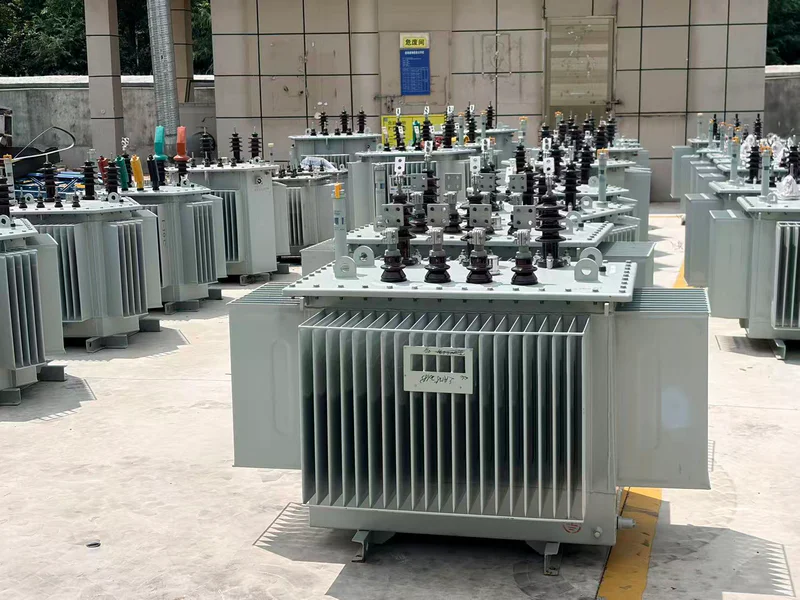 Outdoor · Utility
Oil-Immersed Transformer
Mineral or ester oil cools the windings. Higher capacity ceiling, stronger overload tolerance, and the proven choice when the unit sits outdoors or in a dedicated transformer room.
Choose This If You Need
- Outdoor installation
- Large capacity (MVA-scale)
- Better cost efficiency per MVA
- Utility, industrial, or mining operation
- Harsh or remote environments
 Indoor · Commercial
Dry-Type Transformer
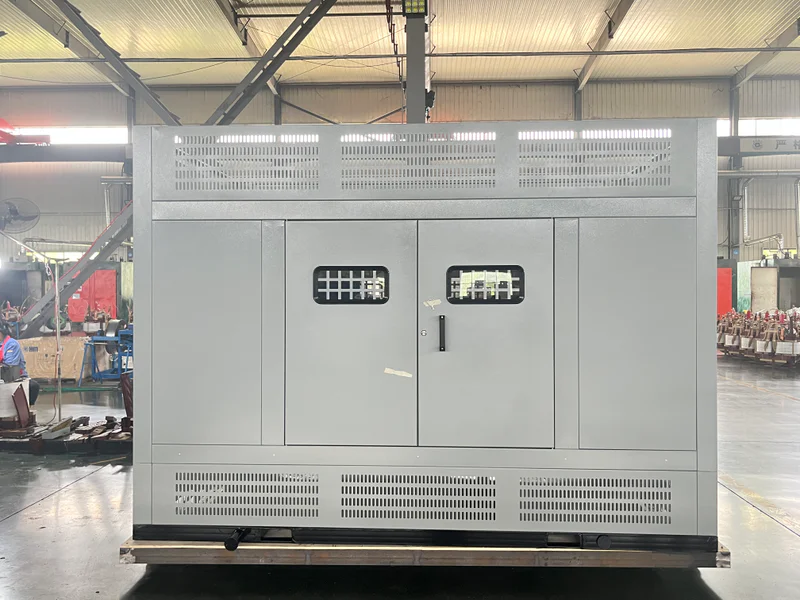
Air or cast resin handles cooling. No oil means no leakage, lower fire risk, and quieter operation. Built for indoor electrical rooms and occupied buildings.
Choose This If You Need
- Indoor installation
- Better fire safety
- Lower routine maintenance
- Low-noise operation
- Commercial or occupied buildings
Need to compare 16 spec points side-by-side before you decide?
See Full Comparison TableCompare by Topic
Switch tabs to focus on what matters for your project. Cooling first, then site, then safety, then cost.
| Comparison Item | Oil-Immersed | Dry-Type |
|---|---|---|
| Cooling Method | Mineral oil or ester oil circulation | Air cooling or resin insulation |
| Cooling Efficiency | Higher efficiency for large-capacity operation | Suitable for moderate indoor loads |
| Voltage Class | Widely used for medium and high-voltage systems | Mostly low and medium-voltage systems |
| Capacity Range | Medium to large capacities | Small to medium capacities |
| Typical Installation | Outdoor or dedicated transformer room | Indoor electrical room |
| Installation Footprint | Needs outdoor space or oil containment area | More compact for indoor installation |
| Environmental Suitability | Outdoor and harsh environments | Clean indoor environments |
| Moisture Resistance | Better resistance in humid outdoor conditions | Needs controlled indoor environment |
| Fire Safety | Requires oil containment and fire protection | No oil leakage risk, fire-sensitive friendly |
| Noise Level | Varies by design and installation | Preferred for low-noise indoor environments |
| Maintenance | Periodic oil inspection and testing required | Lower routine maintenance |
| Typical Service Life | Long service life with proper maintenance | Long life in stable indoor environments |
| Initial Cost | More cost-effective at medium and large capacities | Usually higher cost at same capacity |
| Overload Capability | Better short-term overload tolerance | More limited overload capability |
| Typical Applications | Substations, factories, mining, solar projects | Commercial buildings, hospitals, data centers |
| Common Standards | IEC 60076 · ANSI · IEEE | IEC 60076 · IEC 60076-11 |
Once you've picked a type, the next step is matching it to your application — utility, factory, hospital, data center, or solar plant.
Explore by ApplicationChoose by Application
Different projects need different transformer designs.
Your installation environment, fire-safety codes, load profile, and maintenance setup all push the choice in different directions. Find the scenario closest to your project below.
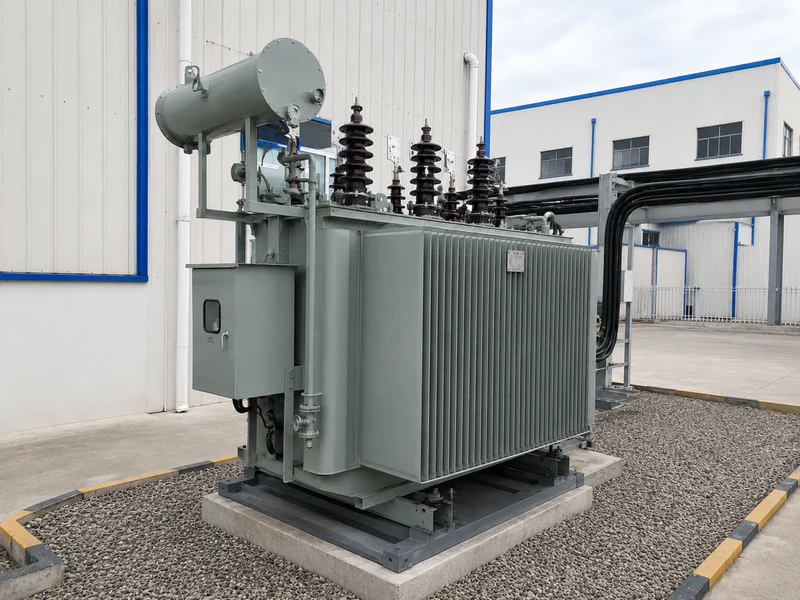
Industrial Plant
Stable distribution for production lines, motor loads, and HVAC. Type depends on indoor or outdoor placement and fire codes.
Recommended Oil-Immersed or Dry-Type
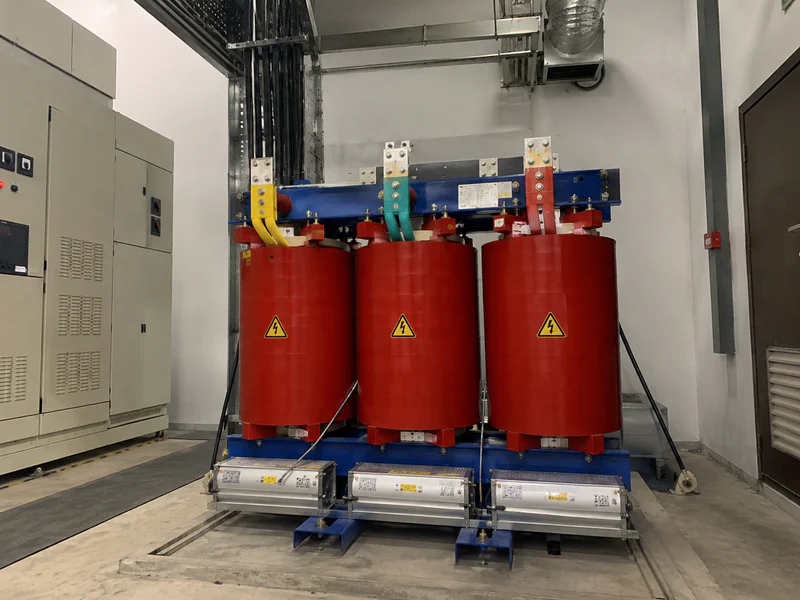
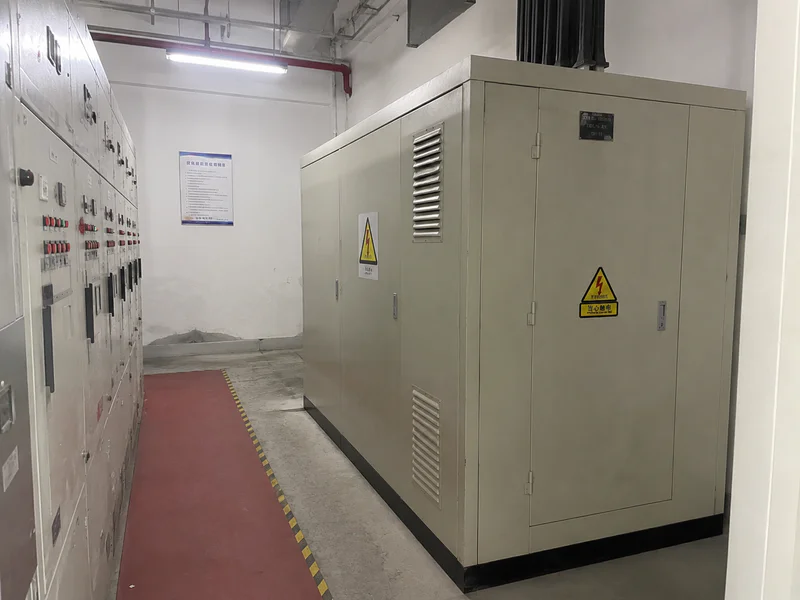
Commercial Building
Offices, malls, and hotels go with dry-type units in electrical rooms. Low noise, fire safety, and compact footprint matter most.
Recommended Dry-Type Transformer
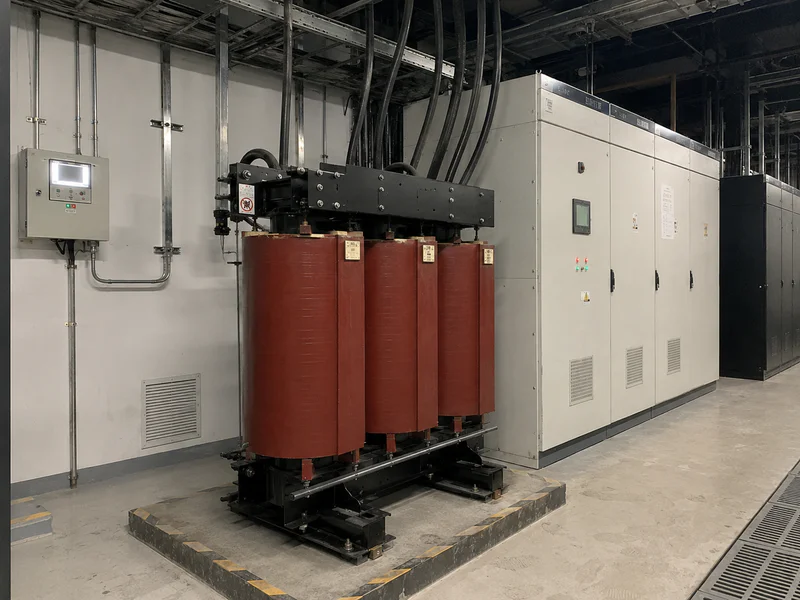
Data Center
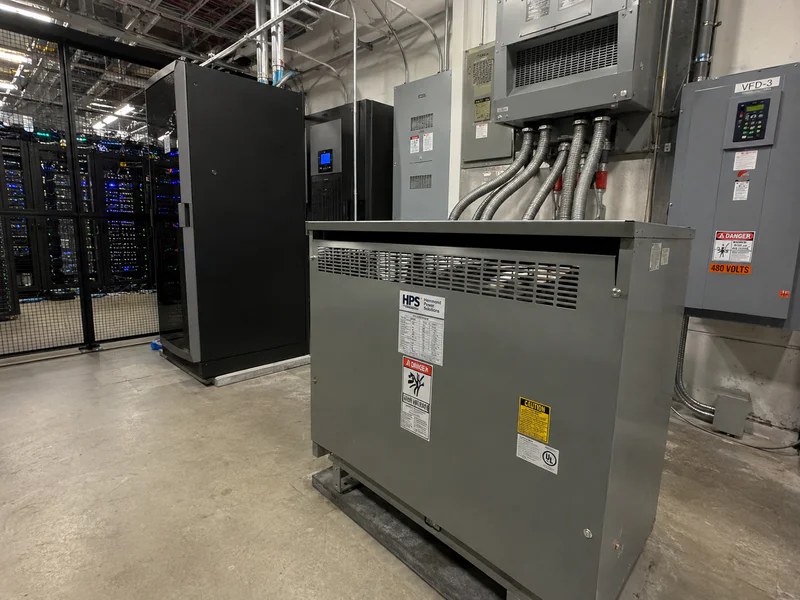
Servers, UPS, and cooling demand continuous, clean, low-interference power. Spec around harmonic tolerance and 24/7 uptime.
Recommended Dry-Type / Isolation / K-Rated
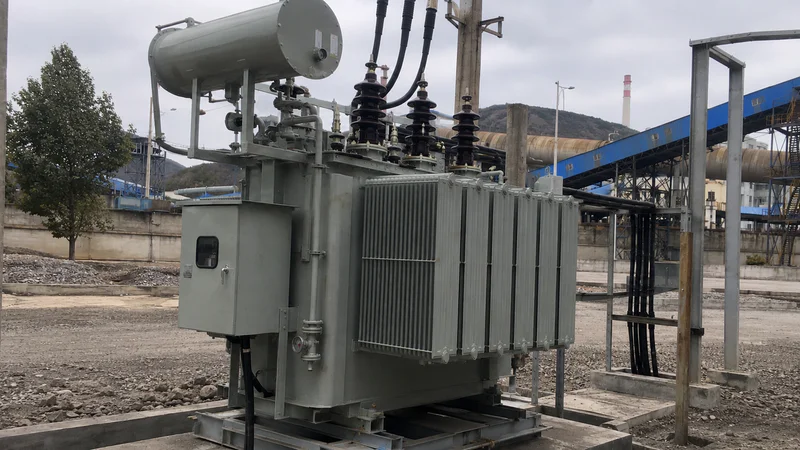
Mining & Heavy Industry
Harsh outdoor sites with dust, vibration, and heavy motor loads. Oil-immersed handles cooling demand and short-term overload best.
Recommended Oil-Immersed Transformer
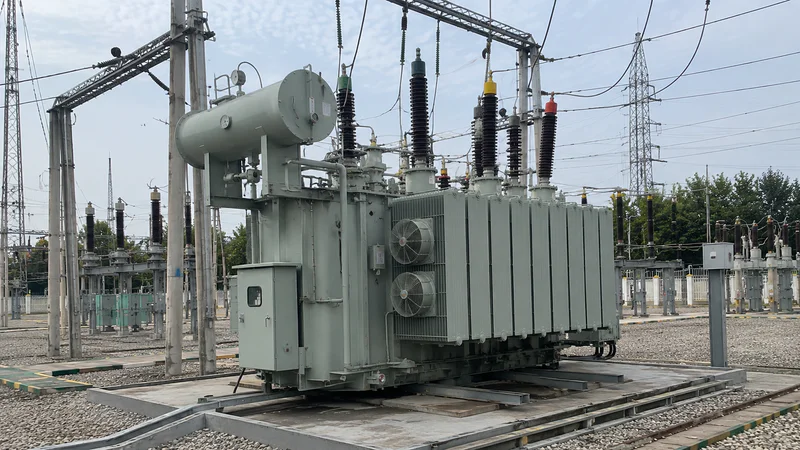
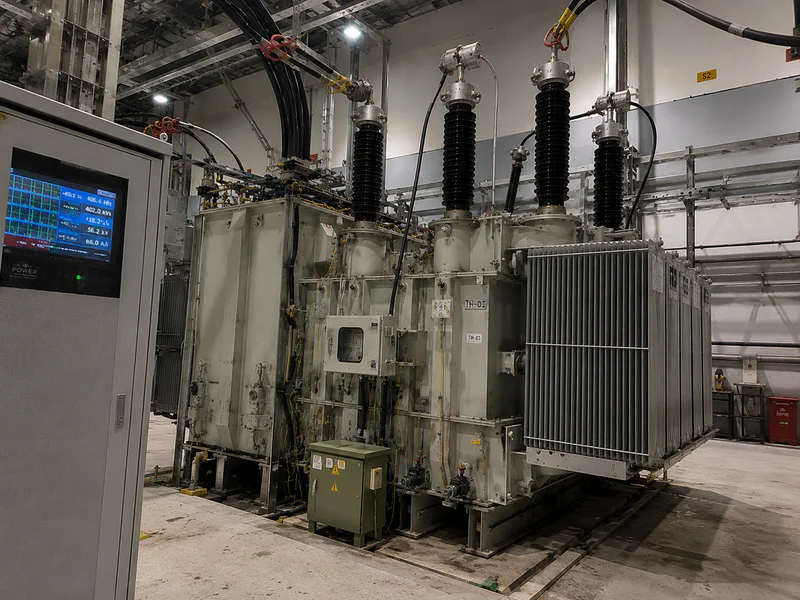
Utility & Outdoor Substation
Grid-tied substations need continuous operation, environmental tolerance, and medium-to-large capacity for stable infrastructure.
Recommended Oil-Immersed Transformer
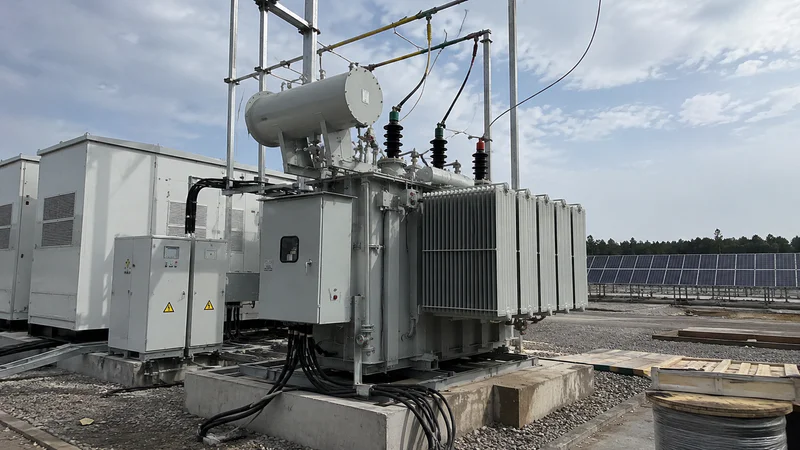
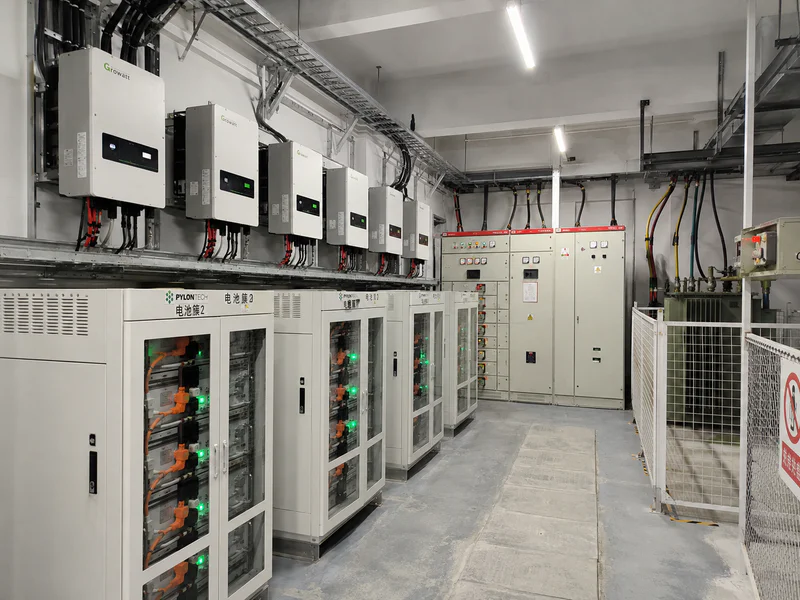
Solar PV & BESS
Step-up units push inverter output onto the medium-voltage grid. Design for harmonic loads and long-term outdoor stability.
Recommended Oil-Immersed Step-Up
Application Confirmed. Now Size the Unit.
With your application locked in, the next call is capacity and load — the spec where most projects make their first costly mistake. Send your project details and Arlo will size it with you.
Capacity Selection
Match the unit to your real load profile, not just connected equipment power. Swipe or click through six steps.
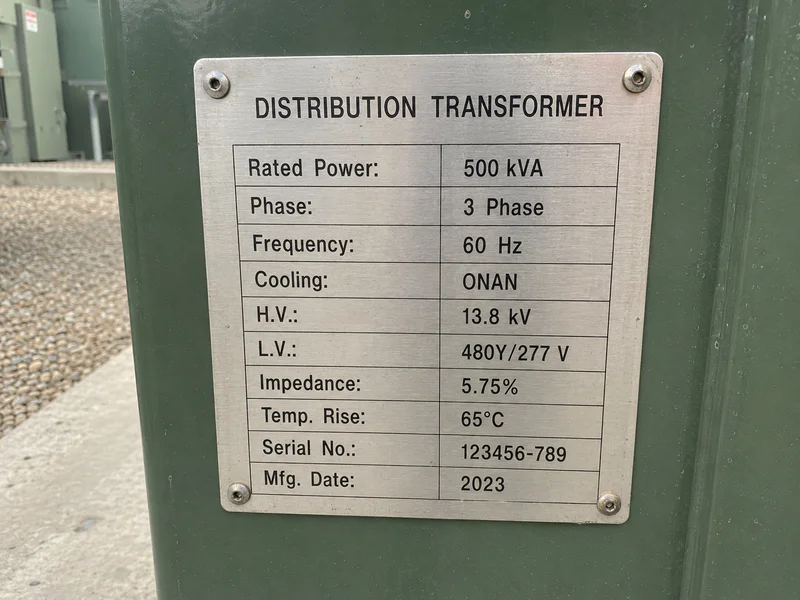
What Does Transformer Capacity Mean?
Transformer capacity is the maximum electrical load a transformer can safely supply under specified operating conditions. It's expressed in two units:
kVA
Kilovolt-ampere. Distribution and commercial transformers.
MVA
Megavolt-ampere. Utility and large power transformers.
Most industrial and commercial distribution units run in kVA. Utility-scale power transformers run in MVA.
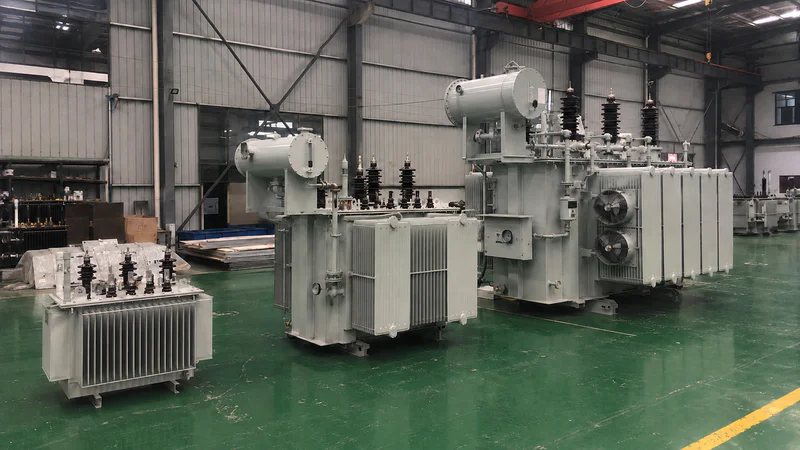
Typical Capacity Range by Application
| Small commercial building | 50 – 250 kVA |
|---|---|
| Office / retail building | 250 – 1000 kVA |
| Industrial plant | 500 – 5000 kVA |
| Data center | 1000 – 10000+ kVA |
| Solar / BESS step-up | 1000 – 8000+ kVA |
| Utility substation | 2500 – 31500+ kVA |
Actual capacity depends on load profile, motor starting current, operating pattern, and expansion plans.
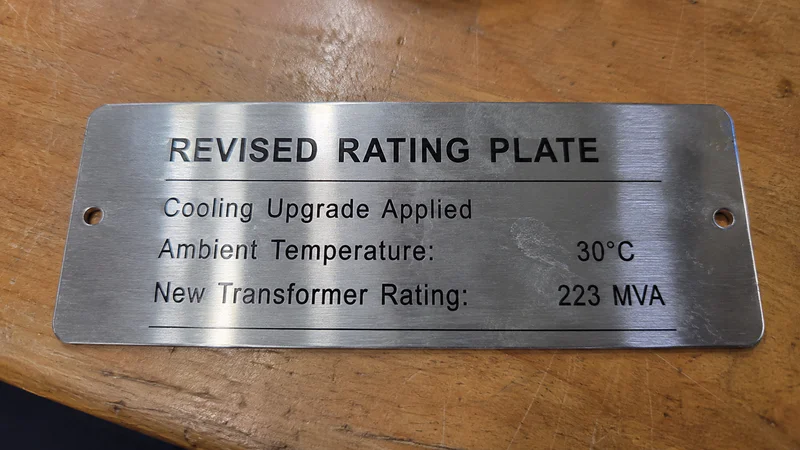
How Capacity Is Determined
Capacity isn't just an equipment count. Engineers weigh five factors before settling on a number:
-
01
Total Connected Load
Sum of motors, HVAC, lighting, production, UPS systems.
-
02
Actual Operating Load
Diversity factor matters — equipment rarely runs at peak together.
-
03
Motor Starting Current
Large motor inrush can cause voltage drop and nuisance trips.
-
04
Future Expansion
Reserve 10 – 25% margin depending on growth plans.
-
05
Continuous vs Intermittent
Heavy-duty continuous operation needs more conservative sizing.
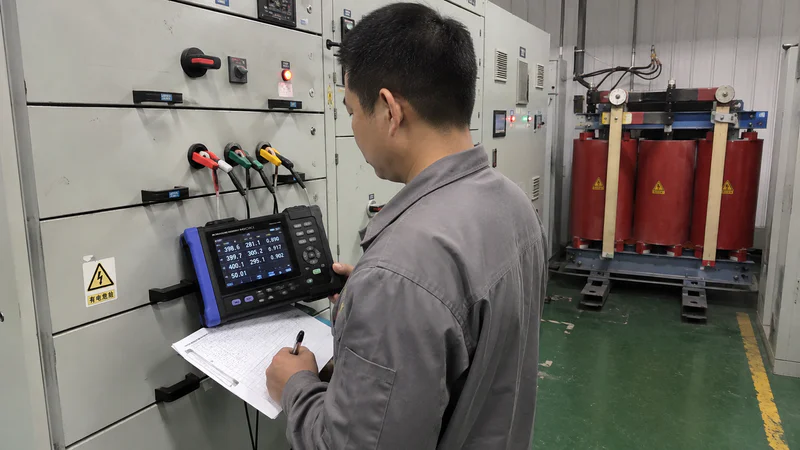
Common Capacity Mistakes
These four show up on roughly 1 in 3 projects. Each one costs budget, schedule, or both.
Sizing on current load only
→ No room for expansion or production increase.
Ignoring motor starting current
→ Voltage drop, overheating, protection trips on day one.
Oversizing unnecessarily
→ Higher cost, no-load loss, larger civil footprint.
Ignoring operating environment
→ Heat, altitude, and ventilation force derating.
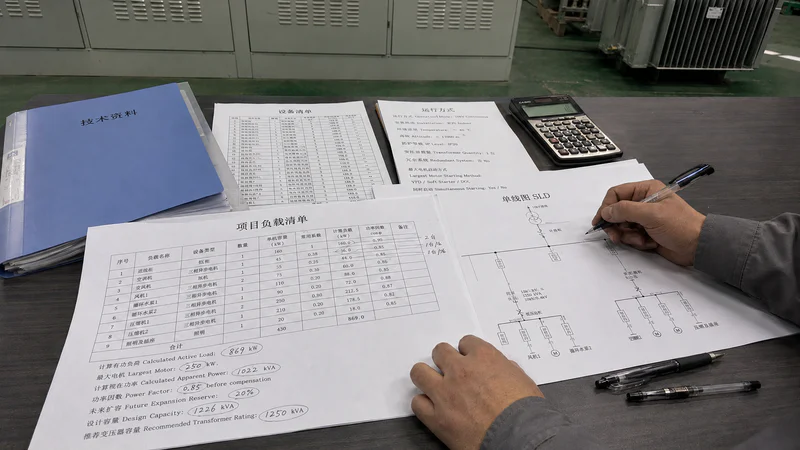
Info We'll Ask From You
Send whatever you have. Partial info gets a starting recommendation; complete info gets a firm quote.
- Total load (kW / kVA)
- Equipment list
- Largest motor load
- Operating pattern
- Power factor
- Future expansion plan
- Indoor or outdoor install
- Continuous or intermittent
- Quantity of transformers
- Single or redundant system
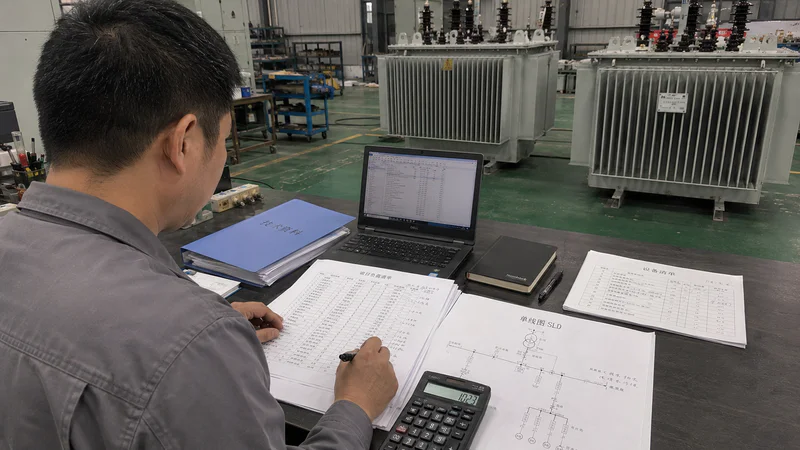
Not Sure What Capacity You Need?
Send your load list, equipment details, or single-line diagram. Our engineering team reviews your project and recommends a capacity based on your operating conditions, motor inrush, and expansion plans.
Free engineering review · NDA on request · No commitment
Configure the Right Voltage System
Four areas to lock in before quoting: common ratios in your market, tap configuration, what info we need from you, and the mistakes to avoid.
Industry & Project Type
| Industrial distribution | 10 kV / 0.4 kV |
|---|---|
| Commercial building | 11 kV / 0.415 kV |
| Utility distribution | 33 kV / 0.4 kV |
| Solar PV step-up | 0.8 kV / 33 kV |
| Data center | 13.8 kV / 480 V |
| Mining project | 35 kV / 690 V |
Local Grid Standards
| North America | 13.8 kV / 480 V / 208 V |
|---|---|
| Europe / Middle East | 11 kV / 400 V |
| Southeast Asia | 22 kV / 400 V |
Confirm your local utility standard before specifying. Two adjacent countries can run completely different ratios.
Voltage fluctuation is common in industrial and utility systems. Tap changers adjust the ratio to maintain stable output as grid voltage drifts.
Off-Load Tap Changer
DETC
Manually adjusted only when the transformer is de-energized. Set once at commissioning to match the local grid level.
Typical Use
- Standard industrial distribution
- Stable grid voltage areas
- Cost-sensitive projects
On-Load Tap Changer
OLTC
Adjusts the tap position automatically while the unit is energized and carrying load. Critical when grid voltage fluctuates often.
Typical Use
- Utility substations
- Large industrial projects
- Grid voltage fluctuation zones
Before transformer selection, confirm these with your project owner, EPC, or local utility. Partial info gets a starting recommendation; complete info gets a firm quote.
- Incoming grid voltage
- Required output voltage
- Frequency (50 / 60 Hz)
- Three-phase or single-phase
- Step-up or step-down direction
- Utility connection requirement
- Local voltage standard
- Required tap range
- Motor or sensitive equipment
Voltage configuration mistakes show up at commissioning, when fixes get expensive. Catch these before the RFQ goes out.
Assuming All Countries Use the Same Voltage
Voltage systems vary significantly between countries, utilities, and industries. Always verify the local grid standard before specifying.
Ignoring Local Utility Requirements
Some utilities require specific voltage classes, vector groups, or tap configurations for grid approval. Confirm with the utility early.
Confusing Line Voltage with Equipment Voltage
Incoming utility voltage and final equipment operating voltage are often different. Make sure both sides of the transformer are right.
Not Planning for Future Expansion
Future equipment upgrades may demand different voltage or extra capacity. Build in headroom now rather than replacing later.
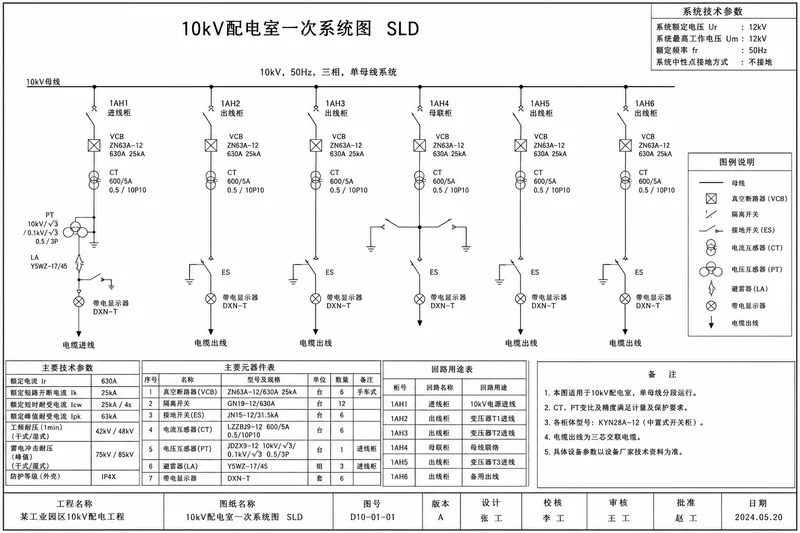
Not Sure About Your Voltage Configuration?
Send your single-line diagram, utility info, or project spec.
Arlo and the engineering team review your voltage system and recommend the right transformer configuration for your application and local market — at no cost, no commitment.
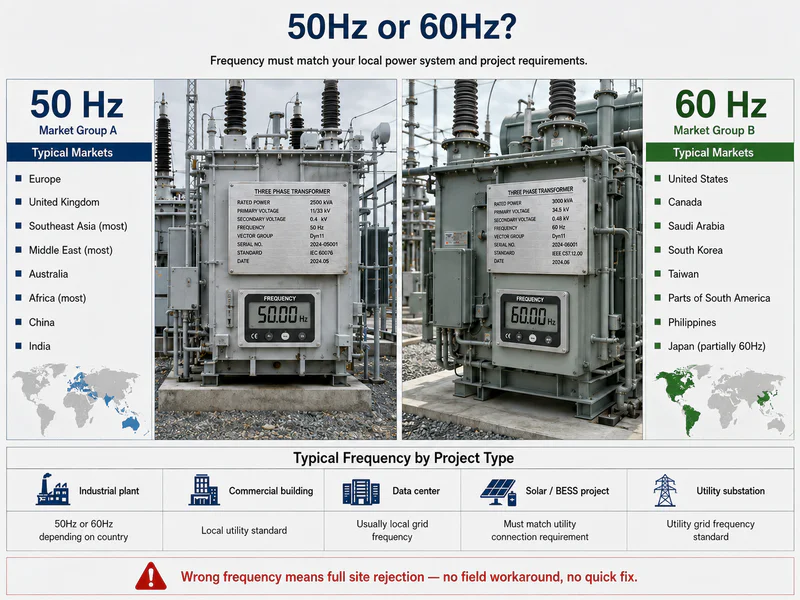
50Hz or 60Hz?
Frequency must match your local power system and the project's operating requirements.
Different countries run different grid frequencies. Confirming the right one before production is critical for compatibility, performance, and commissioning — get it wrong and the unit gets rejected at site.
50Hz Markets
- Europe
- United Kingdom
- Southeast Asia (most)
- Middle East (most)
- Australia
- Africa (most)
- China
- India
60Hz Markets
- United States
- Canada
- Saudi Arabia
- South Korea
- Taiwan
- Parts of South America
- Philippines
- Japan (partially 60Hz)
Typical Frequency by Project Type
| Project Type | Common Frequency |
|---|---|
| Industrial plant | 50Hz or 60Hz depending on country |
| Commercial building | Local utility standard |
| Data center | Usually local grid frequency |
| Solar / BESS project | Must match utility connection requirement |
| Utility substation | Utility grid frequency standard |
When in doubt, ask your local utility. A 50Hz unit installed on a 60Hz grid (or vice versa) means full rejection — no field workaround, no quick fix.
Wrong Frequency = Rejected Unit.
A 50Hz transformer on a 60Hz grid (or vice versa) means overheating, failed commissioning, and utility rejection. There's no field workaround. Confirm five details before production.
- Project country
- Local utility frequency
- Equipment operating frequency
- Utility interconnection spec
- Existing system frequency (for retrofits)
Not Sure Which Frequency Fits?
Send your project country and we'll confirm the spec within 24 hours.
Free engineering review · 24h reply
Three-Phase or Single-Phase?
Phase configuration shapes how power gets distributed across your project.
Industrial, utility, and infrastructure projects almost always run three-phase. Single-phase fits residential and small commercial loads. Swipe through the two scenarios to find your match.
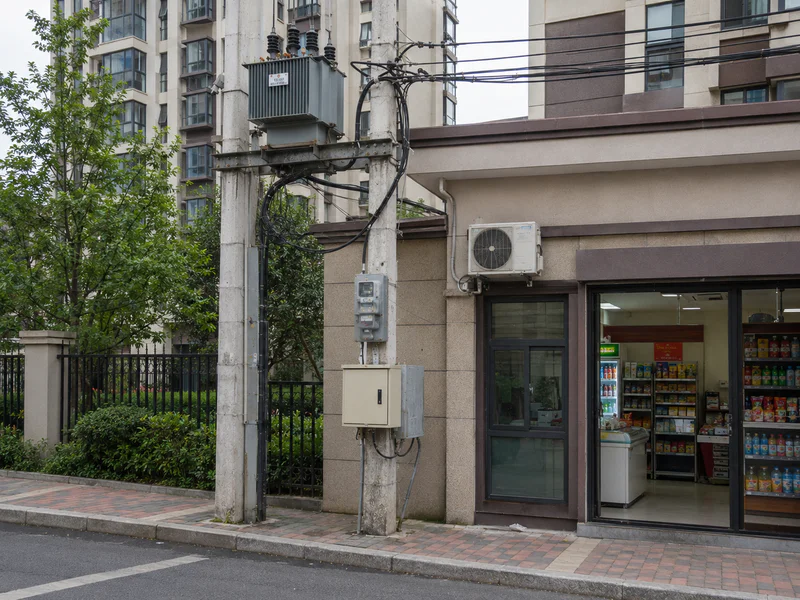
Single-Phase
Two-wire systems carrying lighter, simpler loads. Common in homes, small shops, and basic commercial setups where load profiles stay predictable.
Best For
- Residential buildings
- Small commercial shops
- Light HVAC and lighting loads
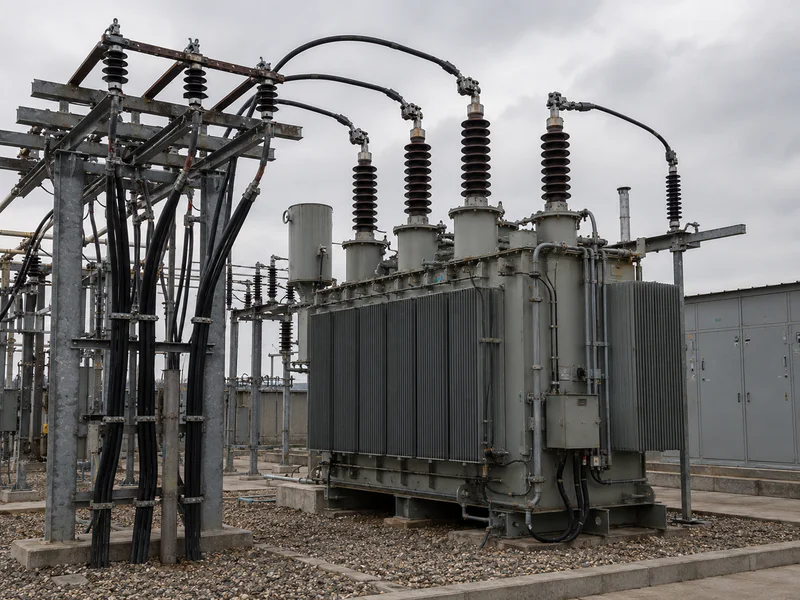
Three-Phase
Four-wire systems delivering balanced, high-capacity power. The default for industrial production, utility grids, motors, and any project where load runs continuously or at scale.
Best For
- Industrial plants and factories
- Utility substations and grids
- Data centers, mining, solar & BESS
Wires
2-wire vs 4-wire systems
Power Capacity
Light load vs heavy load
Typical Use
Homes vs industrial sites
Compare Across 7 Configurations
Scan the row that matters most for your project. Each configuration tells you where each system fits and where it doesn't.
| Configuration | Single-Phase | Three-Phase |
|---|---|---|
| Typical Application | Residential and small commercial | Industrial, utility, and infrastructure |
| Power Capacity | Lower load applications | Medium and large load applications |
| Common Equipment | Lighting, small appliances, office loads | Motors, production equipment, HVAC, heavy machinery |
| Distribution System | Smaller buildings and local loads | Factory and large-scale distribution |
| Transformer Usage | Small distribution transformers | Main industrial and utility transformers |
| System Stability | Suitable for light-duty operation | Better for continuous heavy-duty operation |
| Installation Scale | Small-scale power distribution | Large-scale power distribution |
Typical Application
Residential and small commercial
Industrial, utility, and infrastructure
Power Capacity
Lower load applications
Medium and large load applications
Common Equipment
Lighting, small appliances, office loads
Motors, production equipment, HVAC, heavy machinery
Distribution System
Smaller buildings and local loads
Factory and large-scale distribution
Transformer Usage
Small distribution transformers
Main industrial and utility transformers
System Stability
Suitable for light-duty operation
Better for continuous heavy-duty operation
Installation Scale
Small-scale power distribution
Large-scale power distribution
Still not sure which phase fits? Send Arlo your load list or single-line diagram and we'll confirm the spec within 24 hours.
10 Mistakes That Stall Commissioning
Frequency and phase errors are the leading cause of transformer mismatch on export projects.
Most aren't caught until site installation or utility inspection — when fixes get expensive. Scan the list, click any row to read the impact, and use it as a pre-RFQ checklist.
Configuration Basics
4 items
01
Assuming all countries use the same frequency
Some markets run 50Hz, others 60Hz. Wrong frequency means overheating, unstable operation, increased losses, and likely utility rejection at commissioning.
02
Confirming voltage but ignoring frequency
Voltage ratio alone isn't enough. Even with matching voltage, the unit still needs to match grid frequency and your equipment operating spec.
03
Using single-phase for industrial motor loads
Industrial equipment, production lines, pumps, and large HVAC systems need three-phase. Wrong phase config triggers unstable motor operation or full incompatibility.
04
Assuming all equipment uses three-phase
Some commercial, lighting, or auxiliary systems still need single-phase distribution even inside a three-phase project. Review load distribution during system planning.
Site & External Requirements
3 items
05
Not confirming utility requirements early
Utilities often require specific phase configurations, grounding methods, or connection standards for grid approval. Confirm before production starts, not after.
06
Ignoring the existing site power system
For retrofits and expansions, the new unit must match the existing distribution system. A mismatch creates installation and commissioning headaches you'll pay to fix on site.
07
Not verifying imported equipment requirements
Imported industrial equipment may use a different frequency or phase standard than your local utility. Cross-check the transformer spec with the equipment supplier before locking in.
RFQ Process & Planning
3 items
08
Not confirming backup power compatibility
Projects using generators, UPS, or energy storage need the transformer to be compatible with the backup system. Verify before quoting, not after the diesel arrives on site.
09
Ignoring future expansion needs
Future production lines or new equipment may need different phase distribution or extra capacity. Build expansion margin into your transformer selection now — it's far cheaper than replacing later.
10
Finalizing the RFQ without a single-line diagram
Most frequency, phase, and connection issues only surface after engineers review the single-line diagram. Without it, we're guessing at your real spec.
Send your diagram early. It cuts quotation revisions by ~70% and prevents almost all of the mistakes above.
Frequency, phase, voltage, load type, and utility requirements should all be confirmed together before transformer selection and quotation.
Confirm Phase & Frequency Together.
Voltage alone won't save you. Frequency, phase configuration, and utility requirements must be locked in together — before production starts, not after the unit arrives at site.
- Grid frequency (50 / 60Hz)
- Single-phase or three-phase
- Utility connection spec
- Equipment operating spec
- Single-line diagram (single biggest revision-cutter)
Let Arlo Review Your Spec
Send what you have. Arlo replies within 24 hours with confirmation or flags before you commit.
Free engineering review · 24h reply · NDA on request
Installation Environment
Your installation conditions directly shape transformer type, cooling, protection, and long-term reliability.
Confirm site conditions before selection — it's the cheapest way to avoid overheating, premature aging, corrosion, and on-site installation surprises.
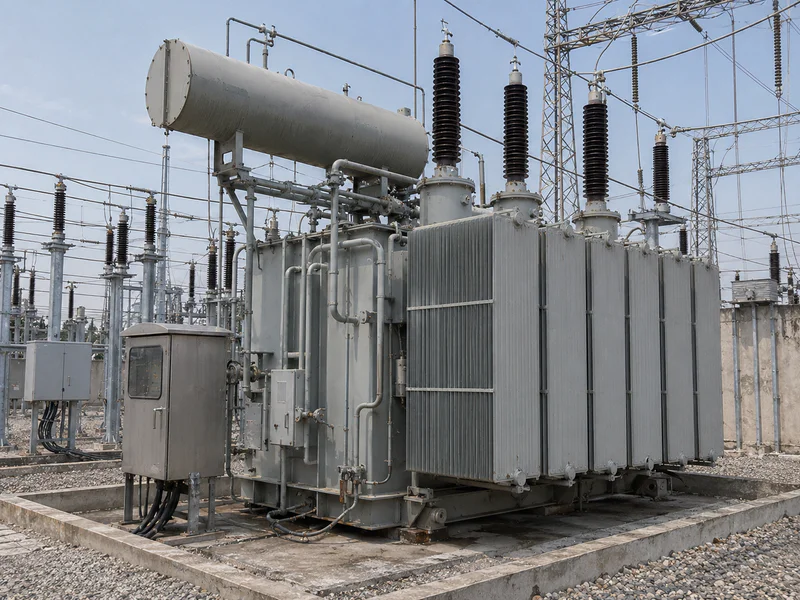 Outdoor
Outdoor Installation
Substations, mining sites, factories, and utility distribution. Built for weather, dust, UV, and harsh environmental loads.
Typical Spec
- Oil-immersed transformer
- IP54+ enclosure rating
- UV-rated bushings and seals
- Oil containment for fire safety
 Indoor
Indoor Electrical Room
Commercial buildings, hospitals, data centers, and hotels. Quiet operation, low fire risk, and clean integration into occupied spaces.
Typical Spec
- Dry-type transformer
- Low-noise design (≤ 65 dB)
- Compact footprint
- No oil — safer for occupied buildings
Outdoor or indoor only tells you the broad direction. The exact spec depends on ambient conditions, codes, and operational requirements below.
What Site Conditions Change Your Spec
Three lenses to evaluate your site: the factors driving design choices, the typical solution per environment, and the mistakes that derail commissioning.
What Drives Your Transformer Design
| Installation Factor | Why It Matters |
|---|---|
| Indoor or Outdoor | Determines transformer type, enclosure rating, and cooling method. |
| Ambient Temperature | High temperature forces derating or additional cooling capacity. |
| Humidity & Moisture | Affects insulation performance and long-term reliability. |
| Dust or Corrosive Air | Requires higher IP rating and anti-corrosion coatings. |
| Ventilation | Poor ventilation causes overheating and premature insulation aging. |
| Installation Space | Drives unit dimensions, clearances, and maintenance access. |
| Noise Requirement | Critical for hospitals, hotels, offices, and residential-adjacent sites. |
| Fire Safety | Often the deciding factor between oil-immersed and dry-type. |
| Altitude | Above 1,000m, cooling and insulation need adjustment. |
| Local Code & Utility | Some markets enforce specific clearances or protection classes. |
Typical Solutions by Site
| Project Environment | Common Solution |
|---|---|
| Outdoor industrial distribution | Oil-Immersed |
| Indoor electrical room | Dry-Type |
| Commercial building | Dry-Type |
| Mining or harsh environment | Hermetically sealed oil-immersed |
| Coastal or humid environment | Anti-corrosion protected design |
| High-temperature region | Enhanced cooling configuration |
| Data center or hospital | Low-Noise Dry-Type |
Ignoring Ventilation
Poor airflow causes overheating and shortens service life by 20-30%.
Indoor Unit Outdoors
Moisture ingress kills insulation. Unit fails within 1-3 years.
Skipping Noise Specs
Building code violations or constant operational complaints.
No Maintenance Access
Site modifications add days or weeks to installation schedule.
Ignoring Local Environment
Corrosion, dust ingress, or cooling failures within first year.
Underestimating Space
Civil rework, delivery delays, or fitting issues during install.
Site Details We'll Confirm With You.
Nine site conditions shape your transformer spec. Send what you know — partial info gets a starting recommendation, complete info gets a firm quote on the first round.
- Indoor or outdoor
- Ambient temperature
- Altitude
- Ventilation condition
- Space limitations
- Noise requirement
- Fire safety codes
- Dust, humidity, corrosion
- Local code & utility
Discuss Your Installation Conditions
Share your site details and Arlo recommends the right configuration within 24 hours.
Free engineering review · 24h reply
Load Characteristics
Match the transformer to your real load behavior, not just rated capacity.
Different load profiles change sizing, temperature rise, voltage stability, and long-term reliability. Get the load wrong and the spec on paper won't survive first-year operation.
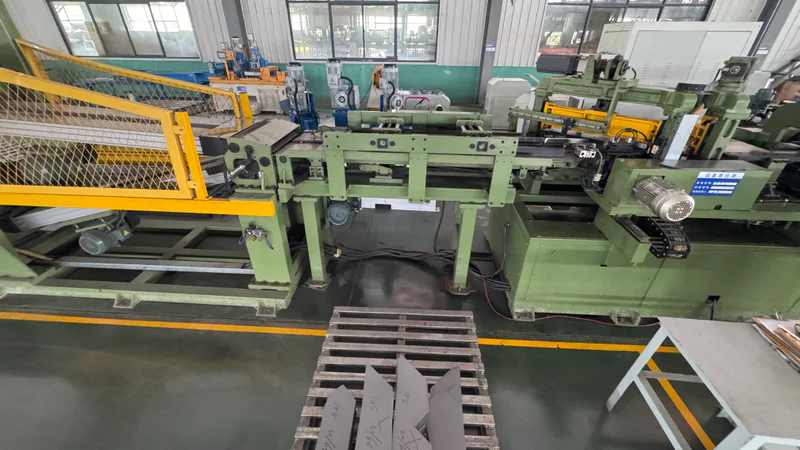
Production lines, pumps, compressors
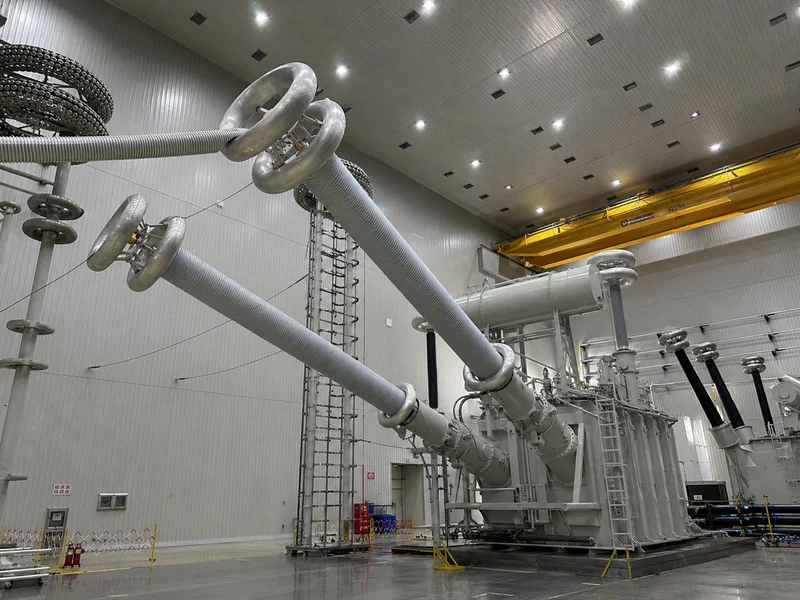
Data centers, utility systems
UPS, VFD, server systems
Mining, manufacturing plants
Solar PV, BESS, grid feed-in
Buildings, hotels, retail
Find Your Match
| Load Type | Typical Project | Selection Consideration |
|---|---|---|
|
Motor
Factory, pumps, compressors High starting current, voltage fluctuation |
||
|
Continuous
Data center, utility system Stable operation, long-term efficiency |
||
|
Harmonic
UPS, VFD, server systems Harmonic tolerance, thermal performance |
||
|
Heavy Industrial
Mining, manufacturing High reliability, overload capability |
||
|
Renewable
Solar PV, BESS Grid connection, inverter compatibility |
||
|
Mixed Commercial
Building, hotel, retail Stable distribution, low-noise operation |
Mixed Loads Need a Real Engineer.
Most real projects don't fit one clean category. Motor inrush stacks on harmonic loads, renewables sit alongside legacy equipment. Let Arlo map your actual profile to the right design — not a textbook match.
- Equipment list & duty cycle
- Largest motor / starting current
- VFD, UPS, or inverter content
- Peak vs continuous demand
- Power factor & expected harmonics
Send Your Load List
Equipment list or single-line diagram works best. Arlo maps your real load profile within 24 hours.
Free engineering review · 24h reply
Efficiency & Loss
Efficiency drives long-term operating cost, energy consumption, and thermal performance.
For utility, industrial, and 24/7 projects, low-loss design isn't a luxury — it pays back in energy savings and reliability over the unit's 20+ year service life.
2 Sides
No-Load + Load
Two loss types determine your total energy bill over service life.
≥98%
Modern Efficiency
Premium designs hit 98%+ — every extra point compounds over 20 years.
≤ 65 dB
Low Noise
Critical for hospitals, hotels, offices, and residential-adjacent sites.
What Drives Efficiency & Loss
| Key Factor | Why It Matters |
|---|---|
| No-Load Loss | Energy consumed even when the transformer isn't heavily loaded. Runs 24/7 regardless of demand. |
| Load Loss | Increases with operating load. Compounds over years into a serious operating cost line item. |
| Overall Efficiency | Critical for continuously operating systems and utility applications where energy bills are large. |
| Temperature Rise | Excessive heat shortens insulation life and reduces reliability. Direct link to service lifespan. |
| Noise Level | Often the deal-breaker for indoor commercial sites — hospitals, hotels, offices, and residential-adjacent. |
| Cooling Performance | Determines stability under heavy-duty operation, high ambient temperature, and overload conditions. |
What to Prioritize for Your Project
| Project Type | Common Focus |
|---|---|
| Utility & Industrial | Low Loss Long-Term Efficiency |
| Data Center | Stable Operation Thermal Performance |
| Commercial Building | Low Noise Indoor Suitability |
| Solar & BESS | Continuous Operation Grid Efficiency |
| Mining & Heavy Industry | Cooling Capability Overload Performance |
Confirm Before Picking Your Design
- Operating load profile
- Continuous or intermittent
- Ambient temperature
- Energy efficiency target
- Noise limitation
- Local efficiency standard
Right Design = Lower Lifetime Cost
A 1% efficiency improvement on a 2000 kVA unit running 24/7 saves roughly $4,000-6,000 in energy per year. Across a 20-year service life, the right design pays for the unit twice over.
Standards, Testing & Compliance
Different projects and markets need different standards, test protocols, and compliance documents.
Confirm them early and you cut approval delays, technical mismatch, and production rework — the three biggest schedule killers on export projects.
International & Local Standards
We build to IEC for international and utility projects, ANSI/IEEE for North America, and adapt to specific utility requirements wherever your project lives.
We Work With
IEC · ANSI · IEEE · Local Utility Specs
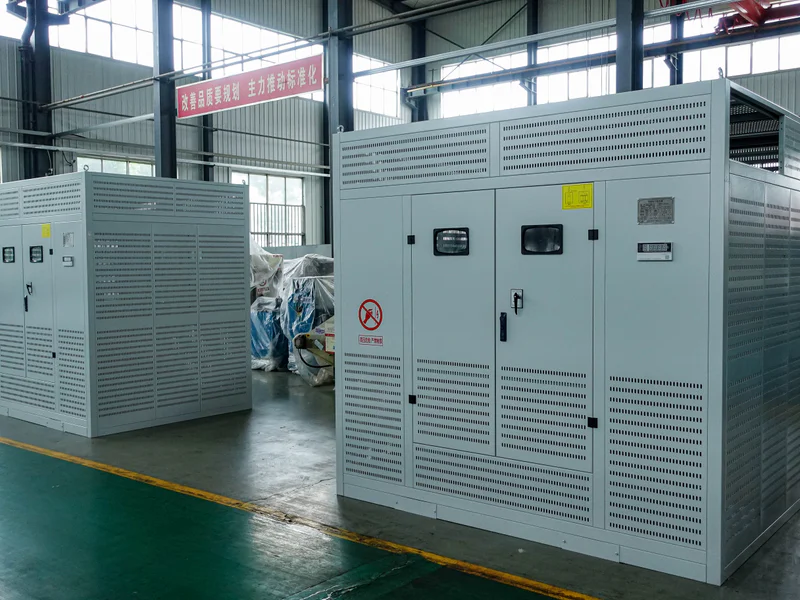
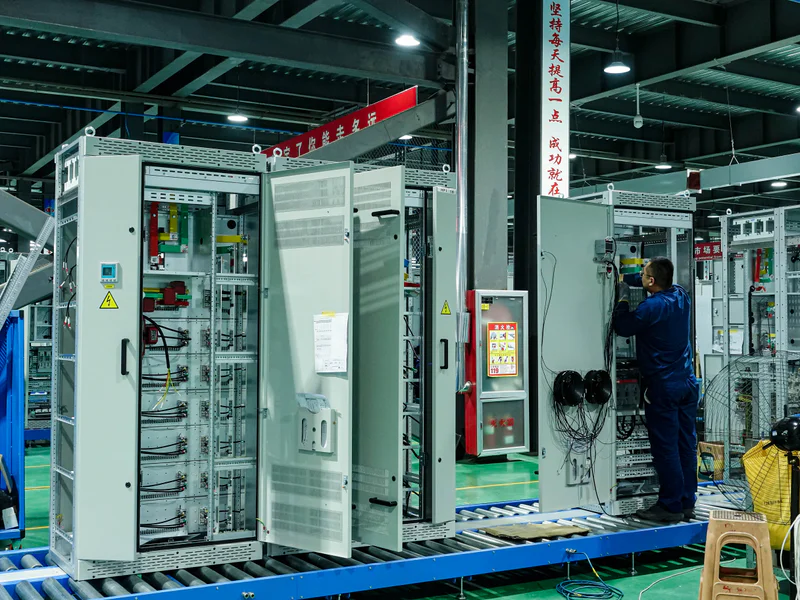
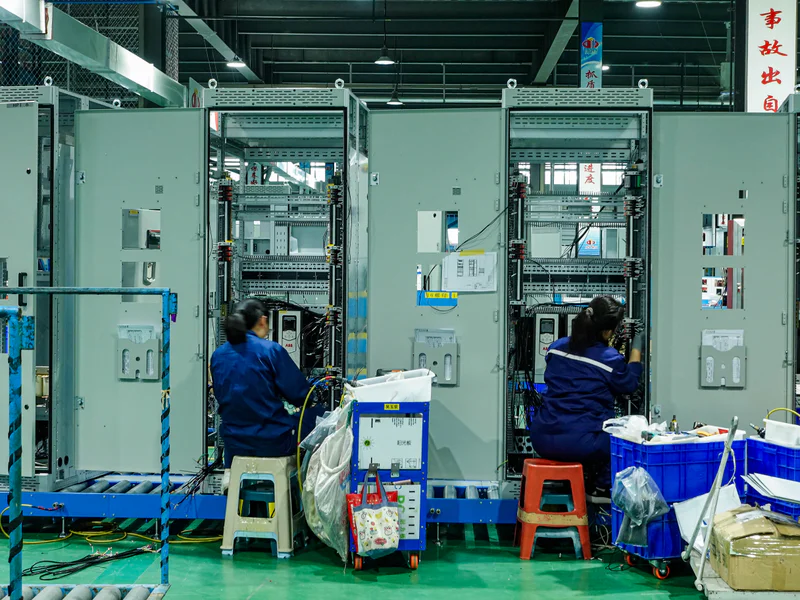
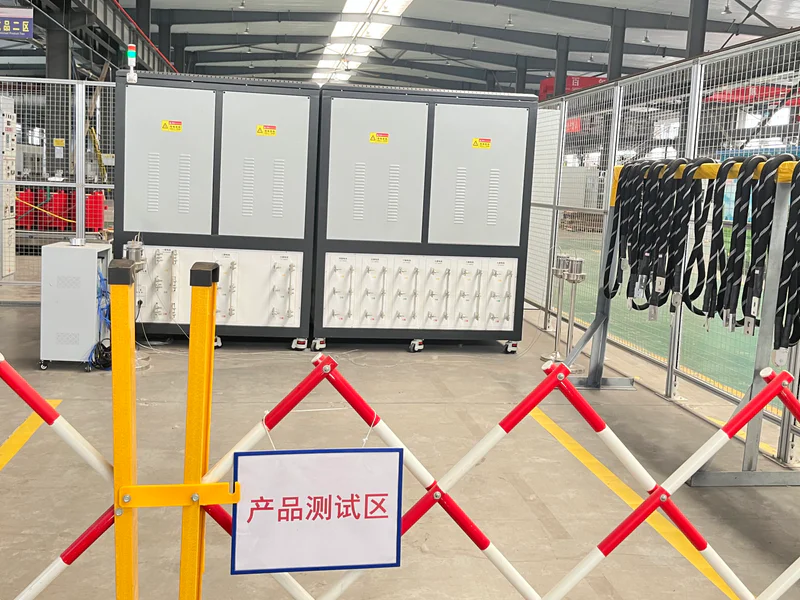
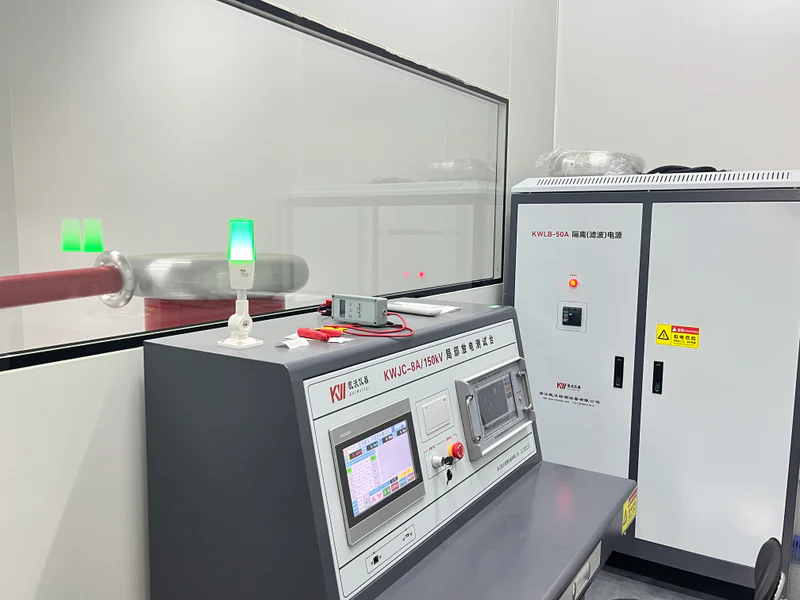
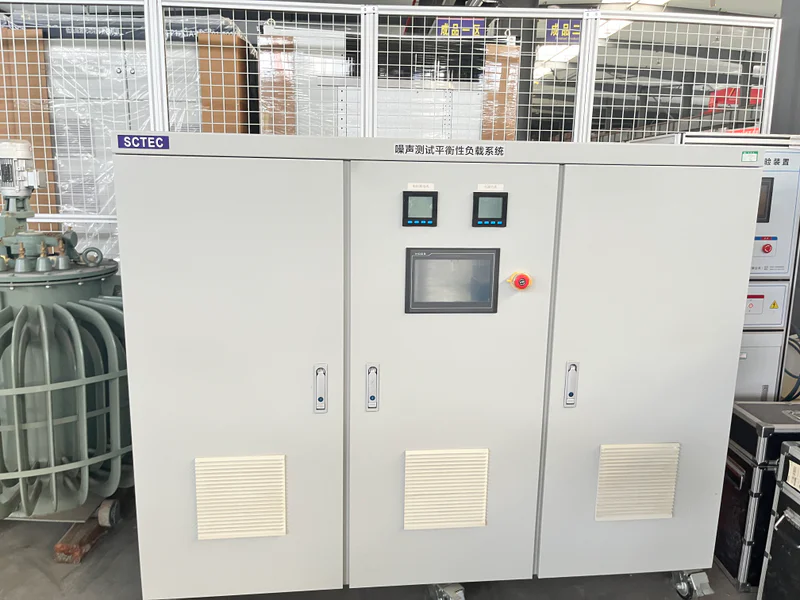
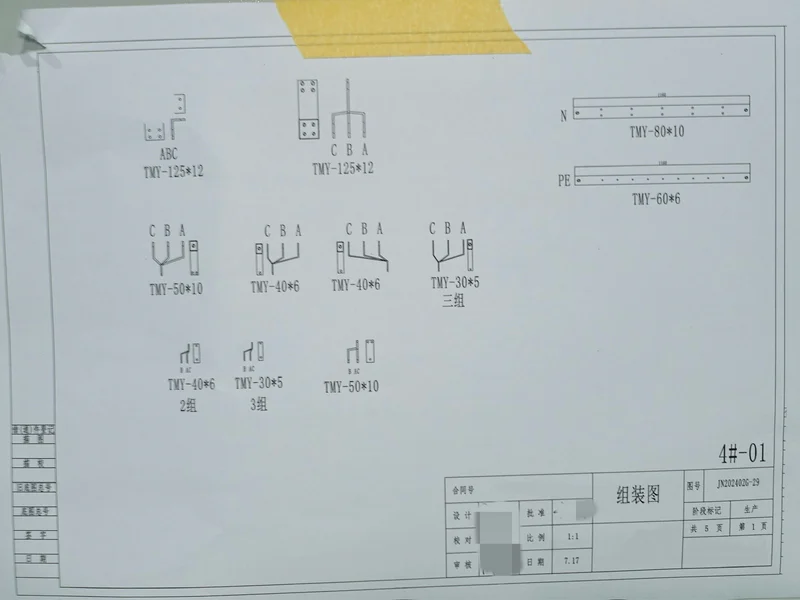
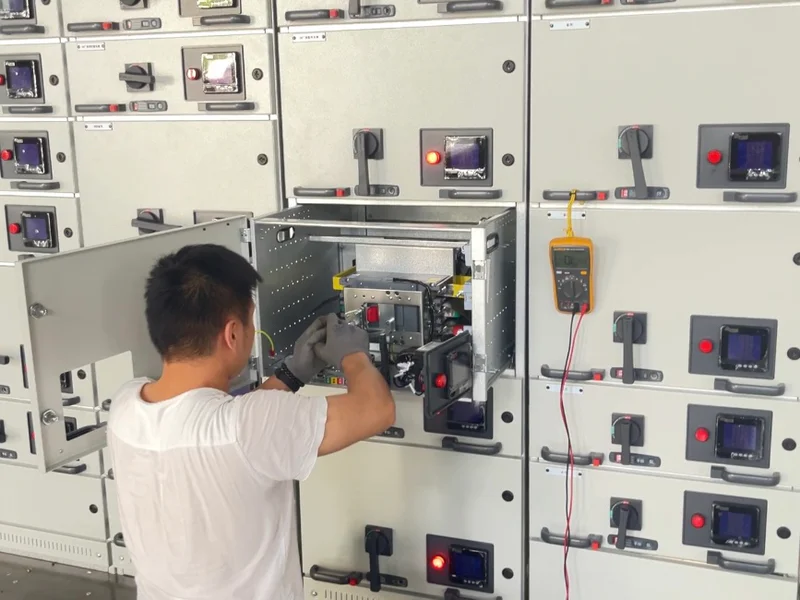
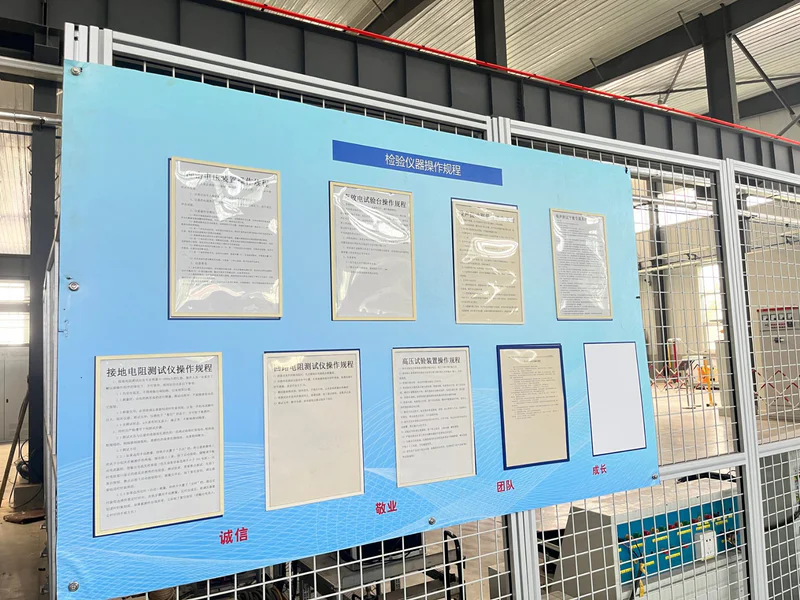
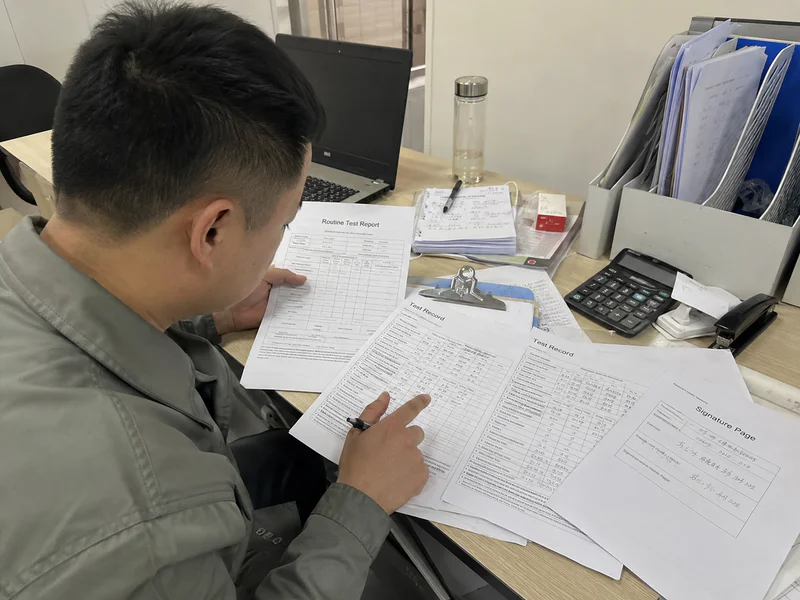
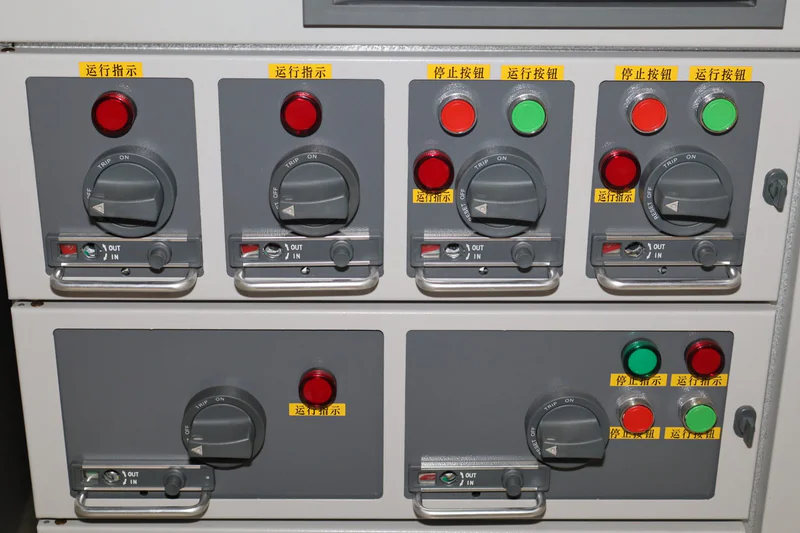
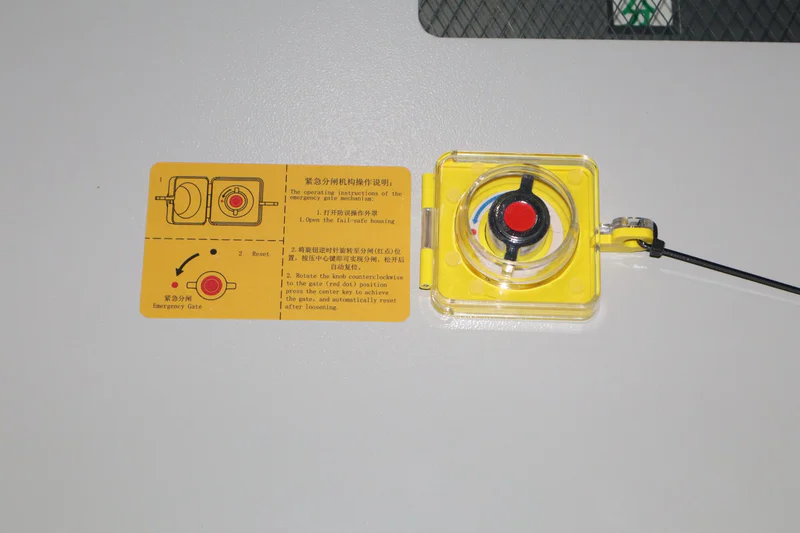
Full Factory Test Coverage
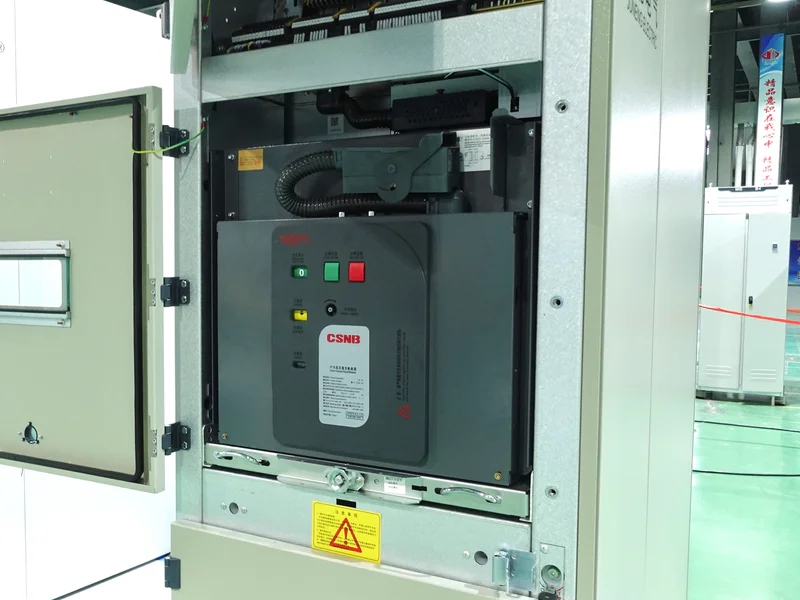
Routine tests run on every unit before shipment. Type tests and customer-witnessed FAT available for specific designs and high-spec projects.
Test Scope
Routine · Type · FAT · 3rd-Party Witnessing
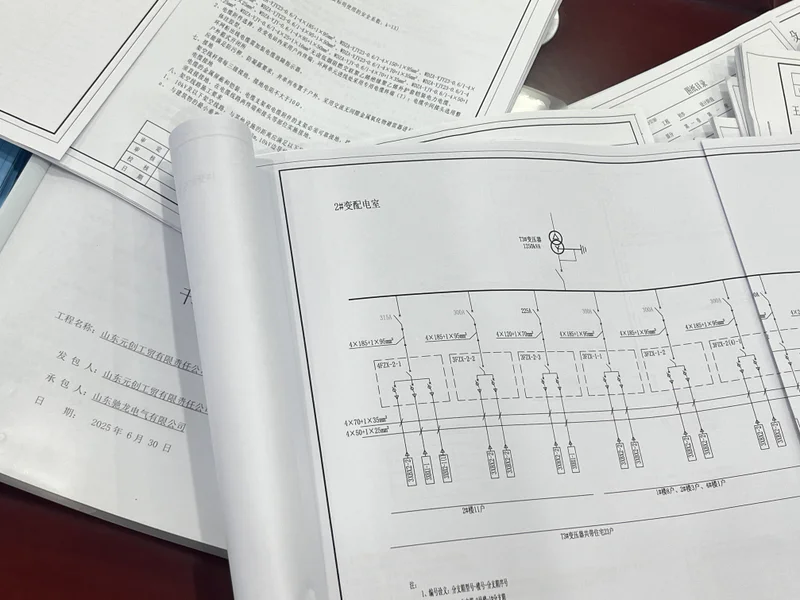
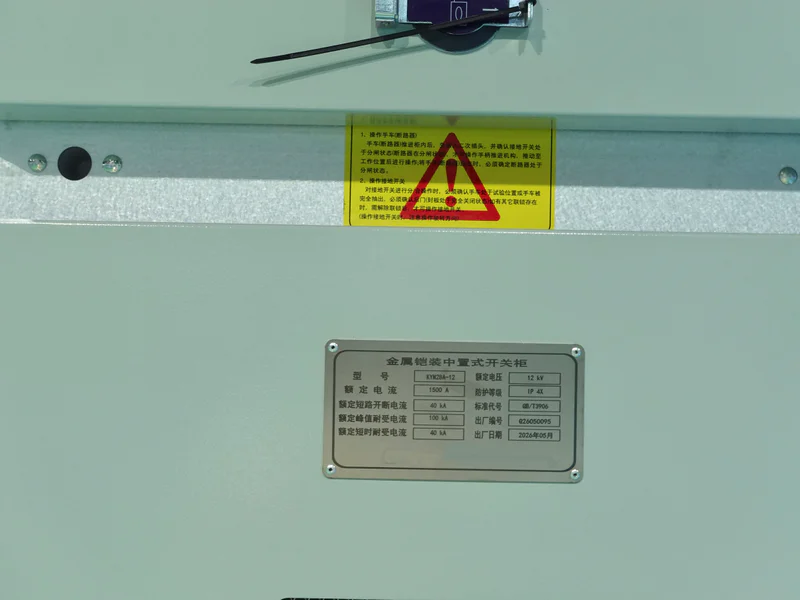
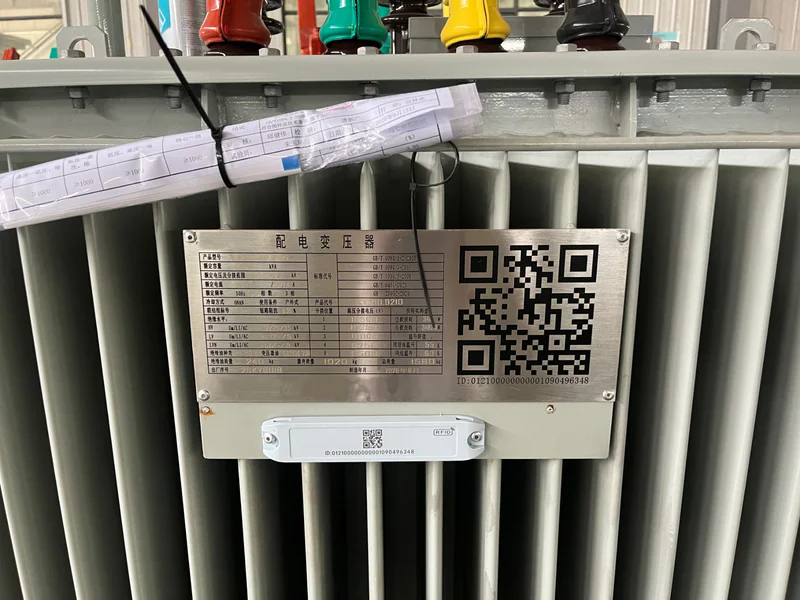
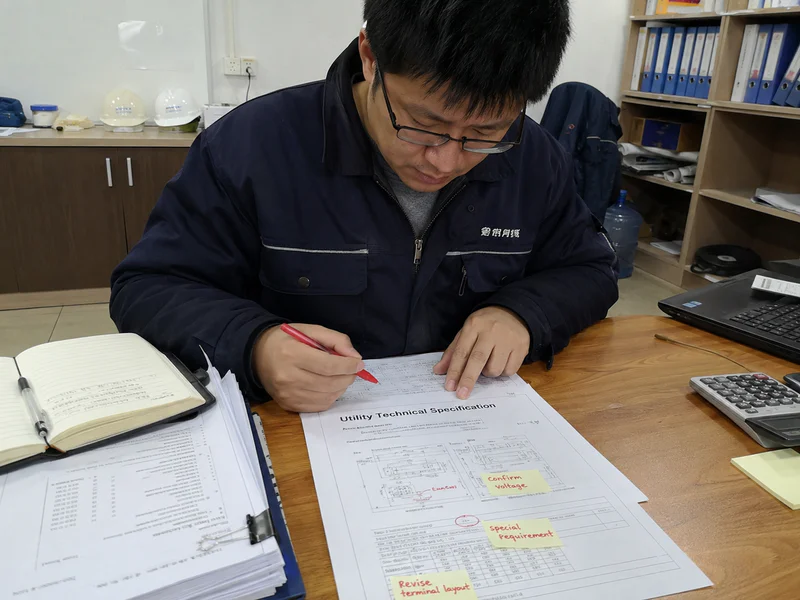
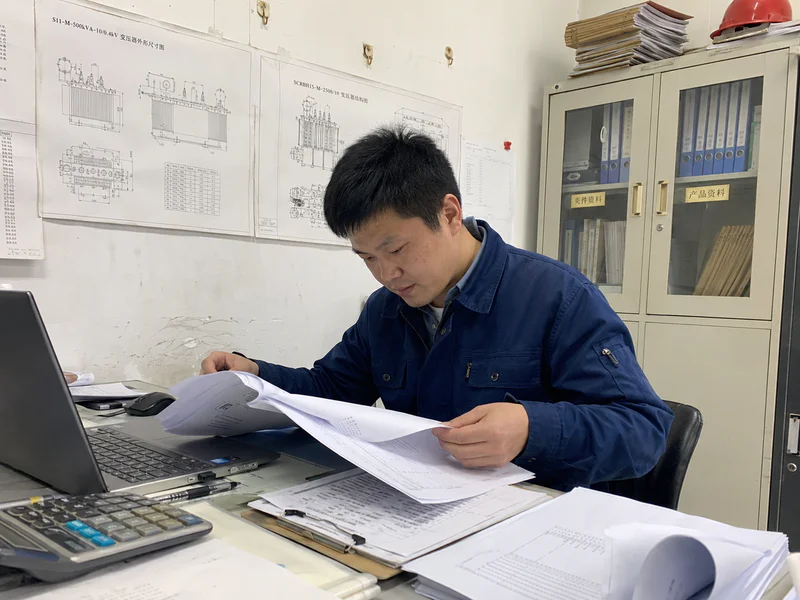
Project-Ready Documentation
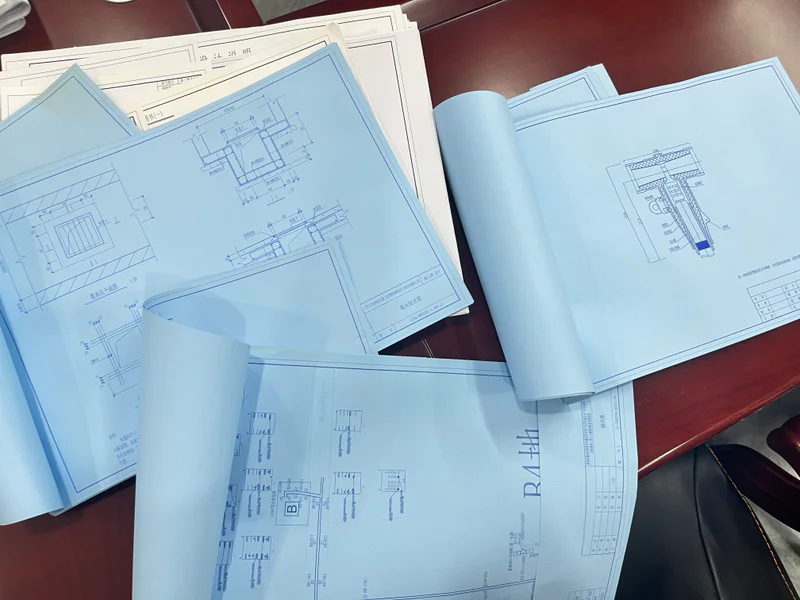
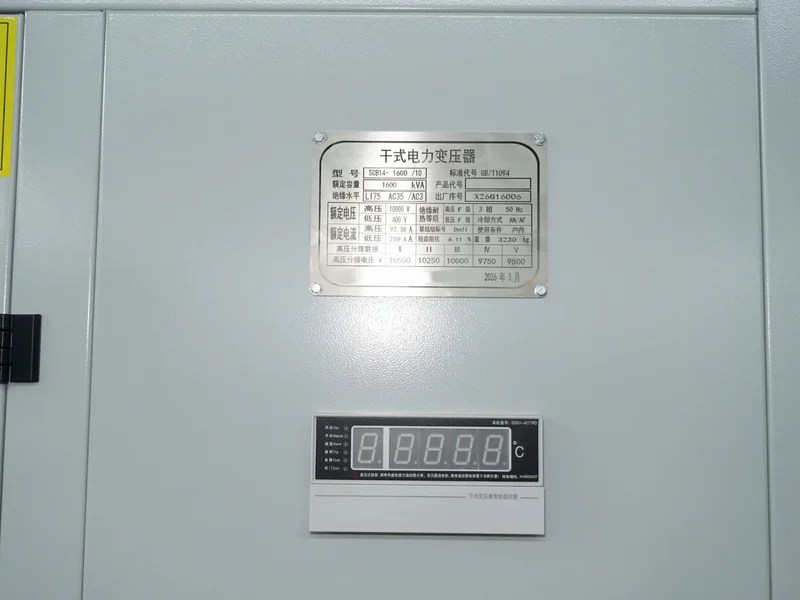
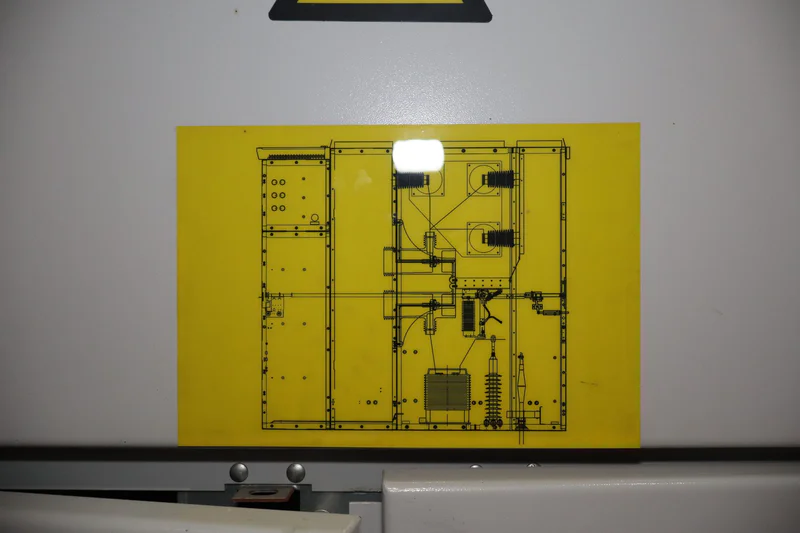
Test reports, drawings, nameplate specs, MSDS, and country-specific certificates — all delivered in the format your customs and utility approval need.
Deliverables
Test Reports · Drawings · CoC · Country Certs
6 Items to Lock In Before Production
- Destination market requirement
- Utility or EPC spec
- Required testing scope
- Third-party inspection
- Local compliance docs
- Project approval process
Need Market-Specific Certs?
SABER, KEBS, SONCAP, INMETRO, KC, BSMI, CE — we've shipped to most of them. Browse our country-by-country compliance library, or just send your destination and we'll confirm.
Confirm My Market RequirementsProtection & Accessories
Accessories aren't optional add-ons — they shape operational safety, voltage stability, and 20-year reliability.
The right configuration depends on your installation environment, operating profile, and utility requirements. Pick your project below and we'll show you what we'd typically build in.
Step 1
Choose Your Project Type
Step 2
Recommended Configuration
High-Reliability Grid Service
Must Have
- Protection Relay
- On-Load Tap Changer (OLTC)
- Buchholz Relay
- Temperature Monitoring
Recommended
- Surge Protection
- Pressure Relief Device
- Remote Fault Monitoring
Engineering Note: Utility approval almost always requires specific relay configurations and protection coordination studies. Confirm utility spec before locking in the design.
Continuous Heavy-Duty Operation
Must Have
- Temperature Monitoring
- Cooling Fan System
- Overload Protection Relay
- Pressure Relief Device
Recommended
- Off-Circuit Tap Changer
- Vibration Resistance Design
- Oil Level Indicator
Engineering Note: Match cooling capacity to peak motor starting current, not just rated capacity. Heavy-duty plants need 15-20% cooling margin for sustained operation.
Low-Noise, Indoor-Safe Operation
Must Have
- Winding Temperature Monitor
- Low-Noise Construction
- Protection Relay
Recommended
- IP Enclosure (IP31+)
- Indoor Surge Protection
- Smart Monitoring (data center / hospital)
Engineering Note: Dry-type is standard for indoor commercial. Confirm noise spec (typically ≤65 dB) — building code or tenant complaints are the #1 post-install issue.
Built for Punishment
Must Have
- IP54+ Enclosure
- Reinforced Cooling Fan
- Temperature Monitoring
- Overload Protection Relay
Recommended
- Anti-Corrosion Coating
- Hermetically Sealed Design
- Vibration Damping
Engineering Note: Dust ingress and vibration are the silent killers. Hermetically sealed oil-immersed units are worth the cost premium — they outlive standard configurations by years.
Renewable Grid Feed-In
Must Have
- Surge Protection
- OLTC or Fixed Tap Changer
- Grid-Feed Protection Relay
- Temperature Monitoring
Recommended
- Continuous Smart Monitoring
- Harmonic Tolerance Design
- Inverter-Matched Specification
Engineering Note: Inverter compatibility is non-negotiable — confirm inverter model and grid interconnection spec before locking the transformer design. Mismatch = full re-quote.
Corrosion-Resistant Design
Must Have
- Heavy-Duty Anti-Corrosion Coating
- IP55+ Sealed Enclosure
- Sealed Bushings
- Temperature Monitoring
Recommended
- Stainless-Steel Hardware
- Salt-Fog Tested Design
- Internal Pressure Relief
Engineering Note: Coastal installs under-spec on corrosion fail in 3-5 years vs. 20+ year normal life. Salt-fog testing certification is worth requesting.
10 Accessories at a Glance
Click any category for details. All accessories are spec'd to project needs, not bolted on by default.
Voltage Control
Tap Changer
Voltage Control
Tap Changer
Adjusts output voltage under different operating conditions. OLTC for live switching, off-circuit for periodic adjustment.
Thermal Monitoring
Temperature Monitor
Thermal Monitoring
Temperature Monitor
Monitors oil or winding temperature in real time. Triggers alarms before overheating damages insulation.
Internal Safety
Pressure Relief Device
Internal Safety
Pressure Relief Device
Releases abnormal internal pressure before catastrophic failure. Critical for oil-immersed designs.
Fault Detection
Buchholz Relay
Fault Detection
Buchholz Relay
Detects internal gas accumulation from insulation breakdown or arcing — early warning for oil-immersed faults.
Cooling System
Cooling Fan
Cooling System
Cooling Fan
Forced-air cooling for sustained heavy-load operation. Auto-activates when temperature crosses set threshold.
Oil Condition
Oil Level Indicator
Oil Condition
Oil Level Indicator
Tracks oil level and condition for early leak detection and maintenance planning.
Surge Protection
Lightning Arrester
Surge Protection
Lightning Arrester
Diverts lightning strikes and switching surges to ground, protecting windings from voltage spikes.
Electrical Safety
Protection Relay
Electrical Safety
Protection Relay
Overload, short-circuit, and fault protection. The transformer's electrical brain — coordinates with utility protection scheme.
Physical Protection
IP Enclosure
Physical Protection
IP Enclosure
Sealed enclosure protecting against dust, moisture, and weather. Rating (IP31 / IP54 / IP65) chosen by site conditions.
Environment Resistance
Anti-Corrosion Coating
Environment Resistance
Anti-Corrosion Coating
Heavy-duty multi-layer coating for coastal, humid, or chemical-aggressive environments. Triples service life in harsh conditions.
8 Items We'll Confirm With You
- Indoor or outdoor
- Utility protection spec
- Operating temperature
- Cooling requirement
- Monitoring level
- Surge / lightning risk
- Maintenance preference
- Environmental conditions
We don't over-spec by default. The right configuration matches your actual project — not a checklist of every available accessory.
Want a Configuration Built for Your Project?
Send your project type, site conditions, and any utility requirements. Arlo comes back with a recommended accessory list and a transparent breakdown of what each item does — no over-selling.
Quick Selection Guide
Five steps to narrow your spec from broad project type to a buildable configuration.
Walk through each step, gather what you have, and bring the partial picture to us. We finalize the rest together.
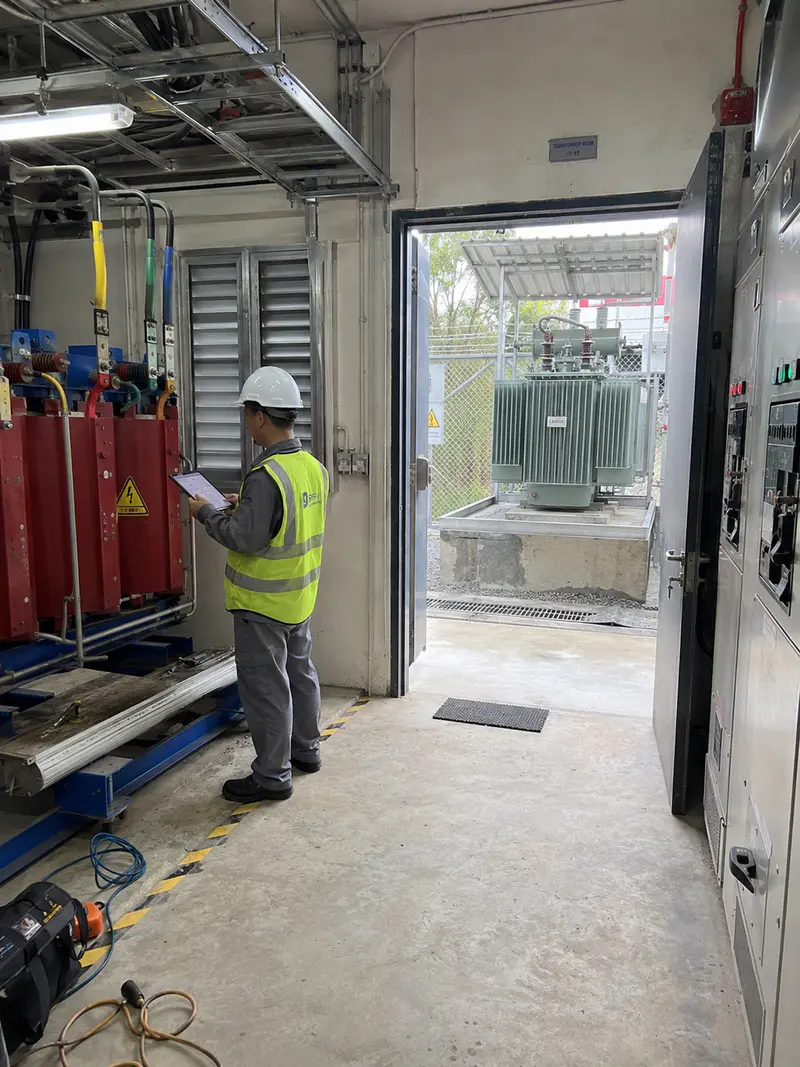 Step 01
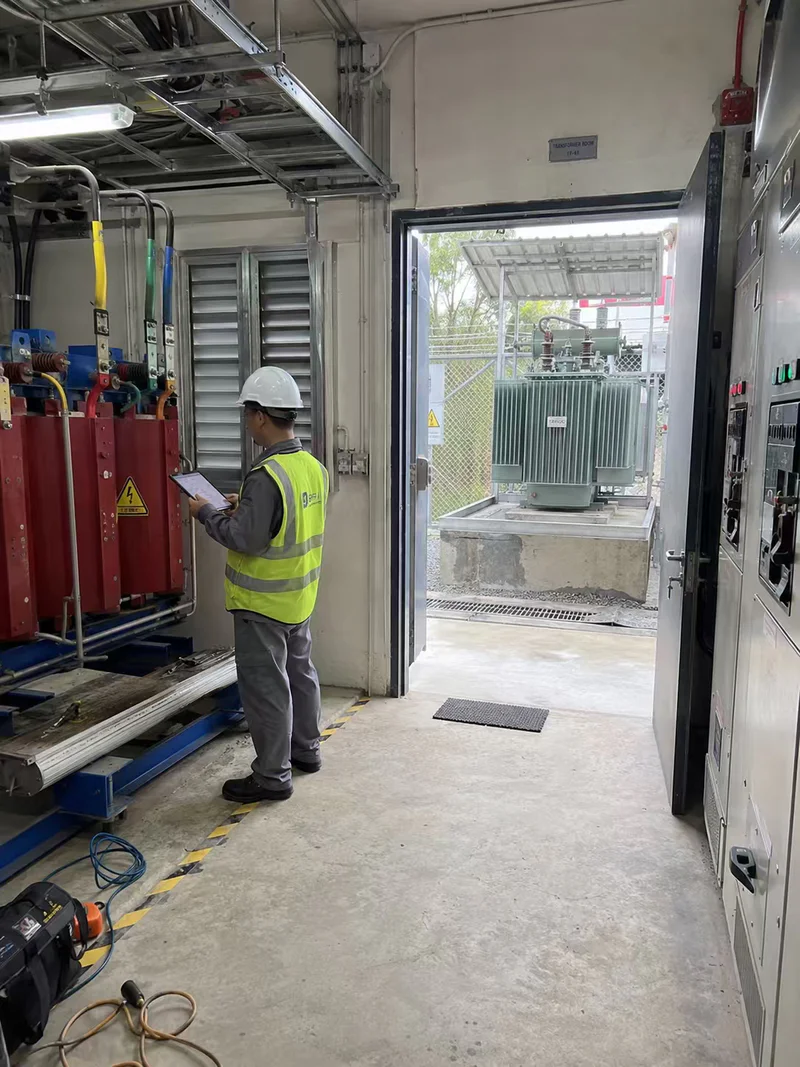 Step 02
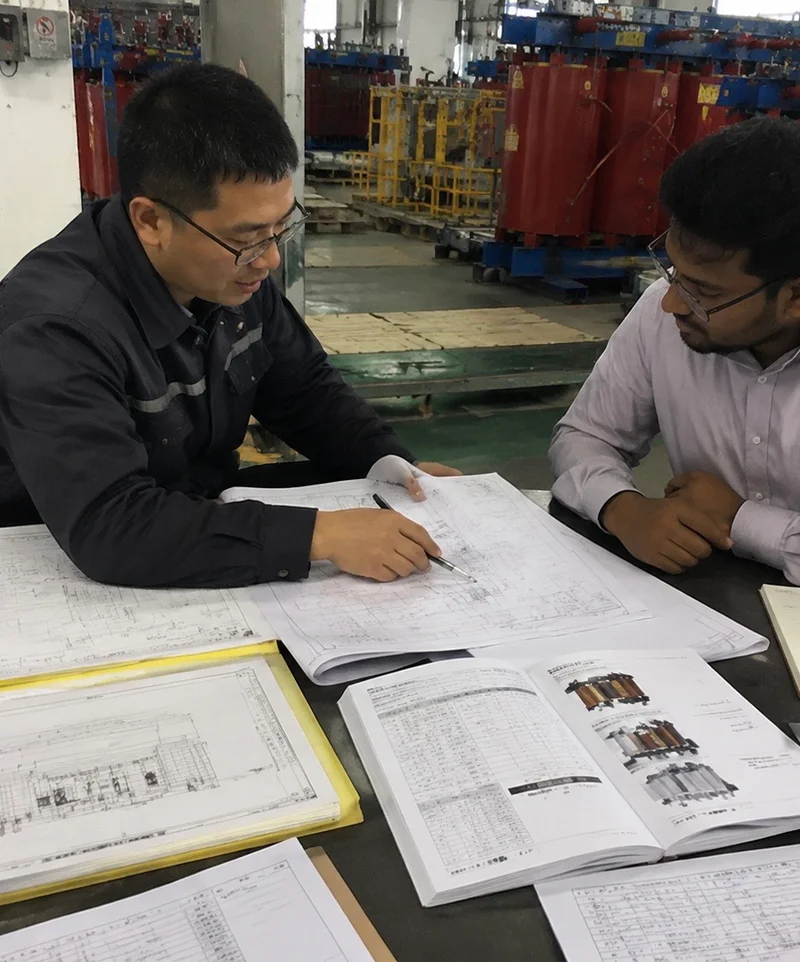 Step 03
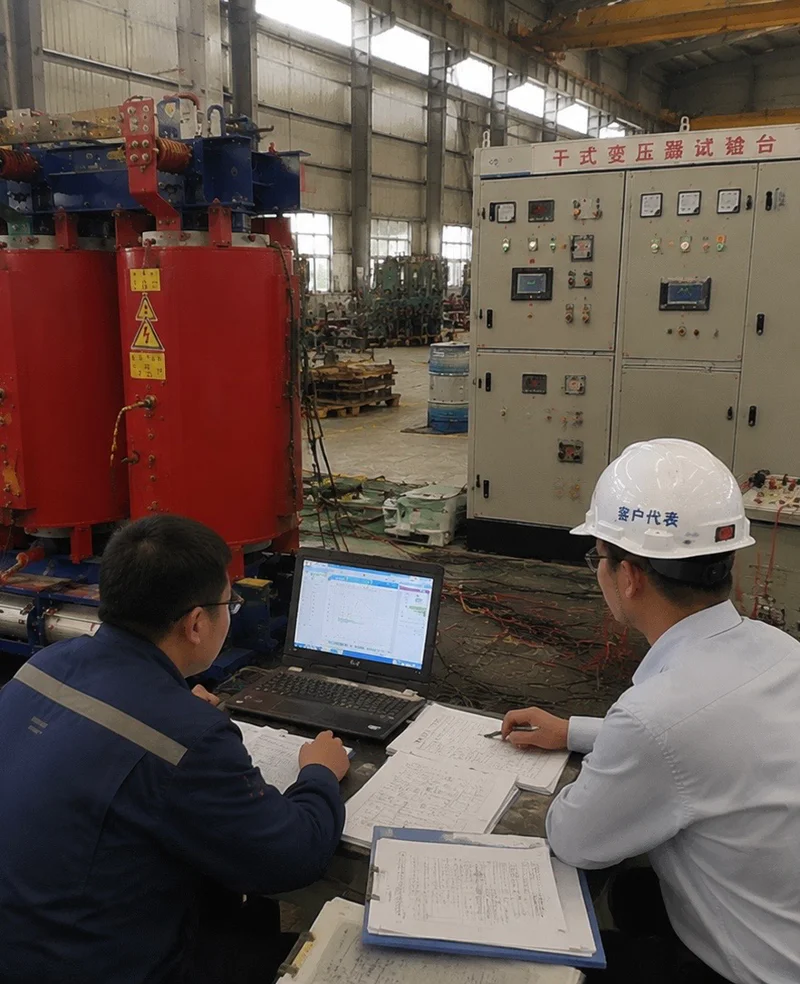 Step 04
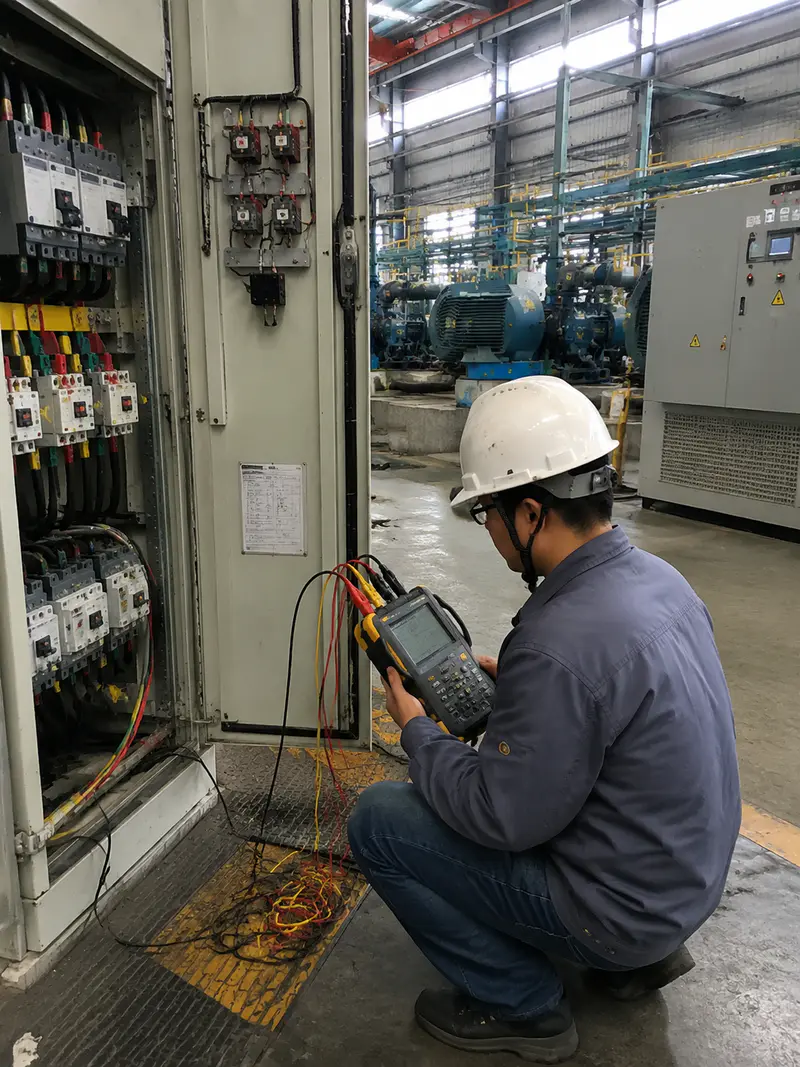 Step 05
Worked through the steps? Send what you have and we'll confirm the recommended direction.
Selection Mistakes We See Every Week
Most transformer problems aren't manufacturing defects — they're selection decisions made with incomplete project information.
Ten patterns we see repeatedly on industrial, utility, and export projects. Read it as a pre-RFQ checklist, not a list of blame.
10 Patterns That Cause Rework
-
01
Confirming transformer type too late
Oil-immersed and dry-type need completely different installation conditions and protection design. Switching late costs redesign cycles.
-
02
Sizing only on current load
Future expansion, motor starting current, and continuous operation get overlooked. Capacity should match real demand profile, not rated nameplate today.
-
03
Ignoring local voltage and frequency
Equipment incompatibility or failed commissioning. There's no field workaround once the unit ships.
-
04
Skipping utility or EPC spec confirmation
Grid approval, testing requirements, or installation clearances surface late — typically during pre-commissioning, when fixes are expensive.
-
05
Underestimating installation environment
Temperature, humidity, dust, or altitude impact cooling and insulation life. A spec built for "standard conditions" fails fast in real-world sites.
-
06
Ignoring harmonic or motor load characteristics
Voltage instability, overheating, or protection trips appear during first-year operation. Hard to retrofit harmonic tolerance after the fact.
-
07
Locking standards & testing late
Redesign, delayed production, or project approval blockers. Standards drive too many design decisions to leave open-ended.
-
08
Skipping the existing system review
Retrofit and expansion projects need to match existing distribution. Mismatch creates site installation and commissioning headaches.
-
09
Missing protection or monitoring requirements
Operational risk and harder maintenance over the unit's 20-year service life. Adding monitoring after install costs 5-10× the original spec.
-
10
Sending incomplete RFQ information
Multiple quotation revisions and longer lead time. The biggest single cause of project delays — and the easiest to fix.
Most of these are prevented by confirming requirements early and reviewing the electrical system before quotation. The cheapest engineering hours are the ones spent before production.
RFQ Preparation
You don't need a complete technical file to talk to us.
Send the basics you already have. Our engineering team confirms the missing pieces — transformer type, voltage, capacity, protection — and comes back with a recommendation, not a blank quote form.
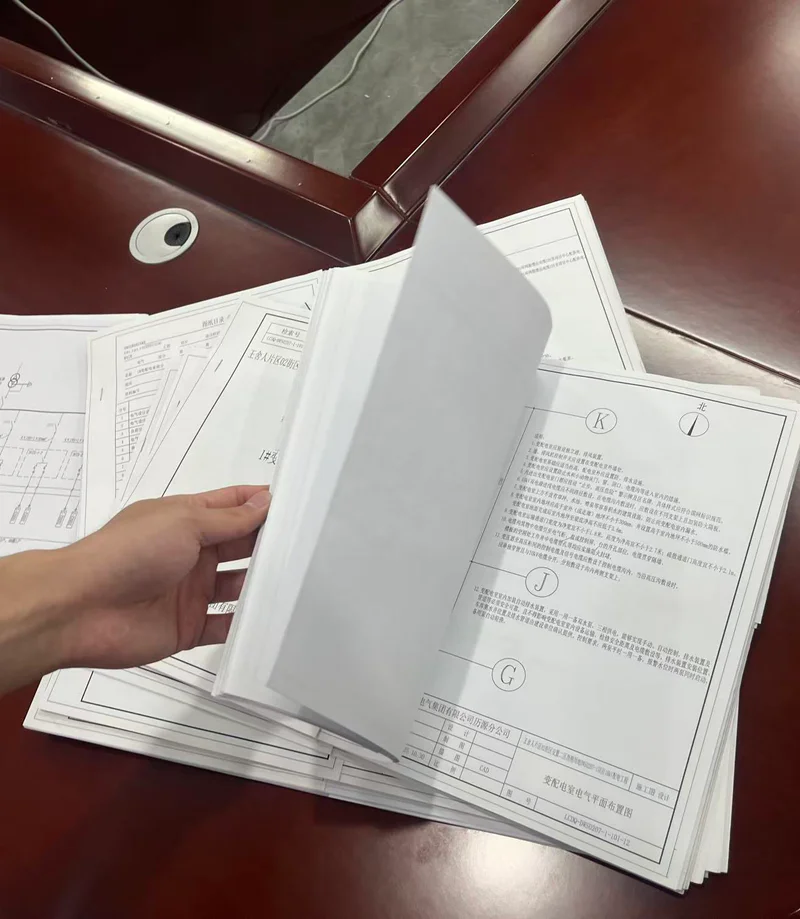
Send what you have. We fill the gaps.
5 Things to Start a Quote
- Project country
- Application / project type
- Transformer type (if known)
- Voltage requirement
- Estimated capacity
Not sure about all the details? Send what you have — we'll help confirm the missing information.
Optional — Helps Us Recommend Faster
Free engineering review · 24h reply · NDA on request
Frequently Asked Questions
Real questions from industrial, utility, and export project teams.
If yours isn't here, send it to Arlo directly — we'll add it.
01
Selection
How do I know whether I need an oil-immersed or dry-type transformer?
Selection
How do I know whether I need an oil-immersed or dry-type transformer?
Selection depends on installation environment, fire-safety requirements, operating conditions, and project capacity.
Oil-immersed transformers fit outdoor, utility, and high-capacity applications. Dry-type fits indoor sites — commercial buildings, hospitals, data centers — where fire safety and low noise matter.
02
Process
What information is required before requesting a quotation?
Process
What information is required before requesting a quotation?
Most important: project country, transformer type, voltage requirement, estimated capacity, and installation environment.
If available, single-line diagrams or equipment lists significantly improve quotation accuracy and cut revision rounds.
03
Process
Can you help if the transformer specification isn't fully confirmed yet?
Process
Can you help if the transformer specification isn't fully confirmed yet?
Yes — most projects start with incomplete information.
Our engineering team reviews your project application, load condition, and distribution system, then recommends a transformer configuration. Send what you have.
04
Selection
What's the difference between distribution and power transformers?
Selection
What's the difference between distribution and power transformers?
Distribution transformers handle medium-to-low voltage power distribution in factories, buildings, and local utility systems.
Power transformers handle higher-voltage transmission and utility substations — larger capacity, more complex grid requirements.
05
Customization
Can the transformer be customized for local utility requirements?
Customization
Can the transformer be customized for local utility requirements?
Yes. Voltage ratio, frequency, vector group, protection configuration, enclosure type, and testing requirements can all be configured to match your project specification and local utility requirements.
06
Testing
What testing is usually performed before shipment?
Testing
What testing is usually performed before shipment?
Routine factory testing runs on every unit before shipment to verify electrical performance and operating condition.
Additional type testing, FAT (Factory Acceptance Test), or third-party inspection (SGS, BV, TÜV) can be arranged for high-spec projects.
07
Environment
Can transformers handle high-temperature, coastal, or high-altitude environments?
Environment
Can transformers handle high-temperature, coastal, or high-altitude environments?
Yes, but the design typically needs adjustment.
Cooling configuration, enclosure protection, anti-corrosion treatment, and insulation design are commonly reviewed and adapted for harsh environments.
08
Process
Why do utility and EPC projects require so many technical confirmations?
Process
Why do utility and EPC projects require so many technical confirmations?
Transformer projects connect tightly to local grid, protection system, and site operating conditions.
Confirming voltage, frequency, protection, and testing requirements upfront cuts commissioning issues and project delays significantly downstream.
09
Selection
Can the configuration be adjusted for future expansion?
Selection
Can the configuration be adjusted for future expansion?
Yes. Many industrial and infrastructure projects reserve additional capacity or flexible configuration for future load expansion and system upgrades. We help size the expansion margin during quotation.
10
Compliance
Do different countries use different transformer standards?
Compliance
Do different countries use different transformer standards?
Yes. Different markets use different voltage systems, frequencies, testing procedures, and compliance requirements.
For export projects, always confirm local standards and utility requirements before production starts.
11
Selection
Can existing transformers be replaced without changing the whole distribution system?
Selection
Can existing transformers be replaced without changing the whole distribution system?
In most retrofit projects, the new transformer can be configured to match the existing voltage system and installation conditions.
The existing distribution layout and utility requirements should be reviewed before replacement to confirm compatibility.
12
Process
What factors usually affect transformer lead time?
Process
What factors usually affect transformer lead time?
Lead time depends on transformer capacity, material availability, customization scope, testing requirements, and project-specific compliance. Standard units ship faster; high-spec custom builds with FAT and third-party inspection take longer. We confirm exact lead time per project at quotation.
Discuss Your Transformer Project
Send your project information, drawings, or technical requirements.
Arlo and our engineering team review the transformer type, voltage configuration, installation environment, and project requirements — before quotation and production.
 Available Today
Arlo
ZOE EngineeringTransformer & Power Distribution Project Support
Arlo works with industrial, utility, and infrastructure transformer projects — helping customers review voltage configuration, installation conditions, and project requirements before production.
For projects with incomplete specifications, our engineering team assists with preliminary technical review and configuration confirmation.
Specialties
Send Your Project Information
No pre-filled spec sheets needed. Send what you have — we'll confirm the rest within 24 hours.