China Low Voltage Switchgear Cabinet Factory
Custom low voltage switchgear, switchboards, MDB, MCC, ATS, APFC and LV distribution panels, built around your SLD, panel schedule, load list and site installation requirements.
You can send your single-line diagram, circuit list or project specification. Your engineering team confirms rated current, short-circuit level, busbar design, breaker configuration, cable entry, control logic, drawings, FAT and project documents before production.
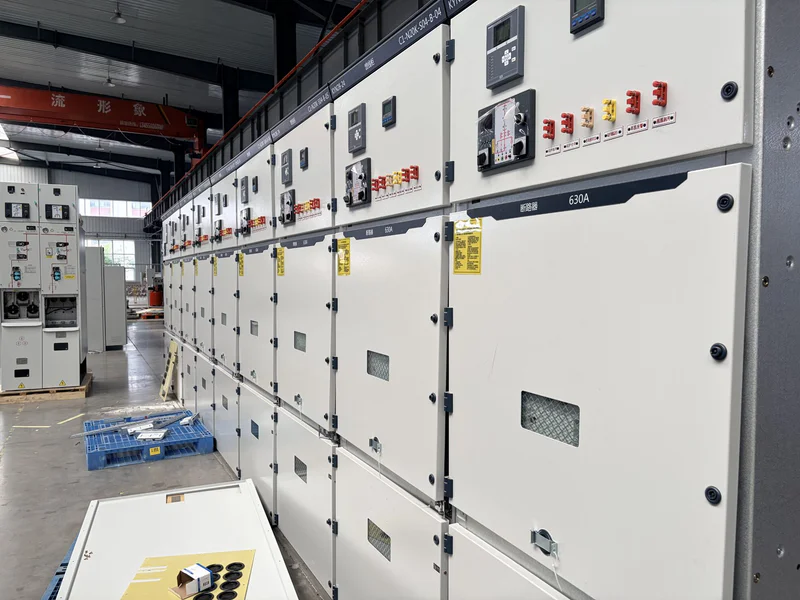
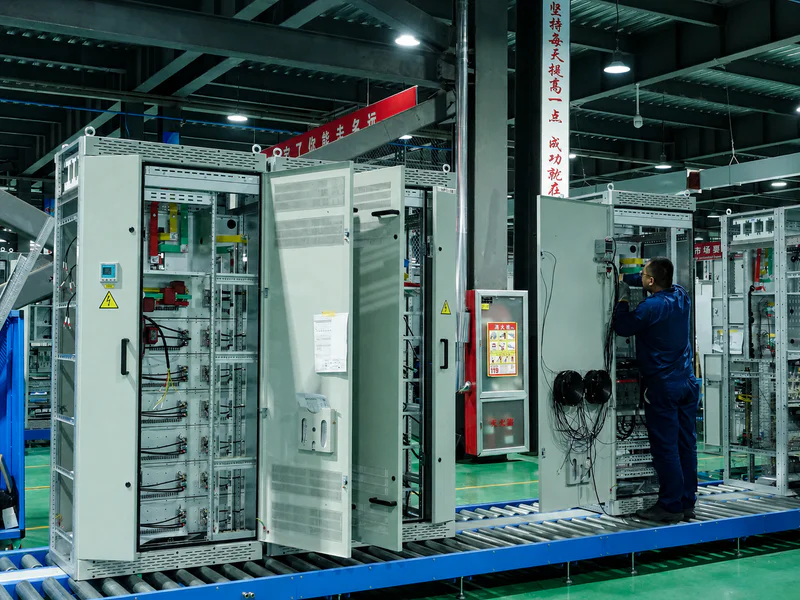
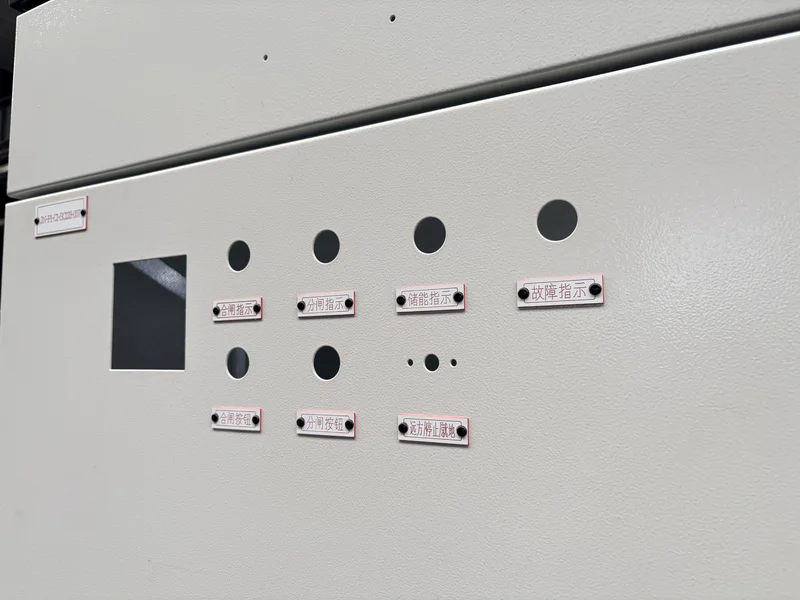
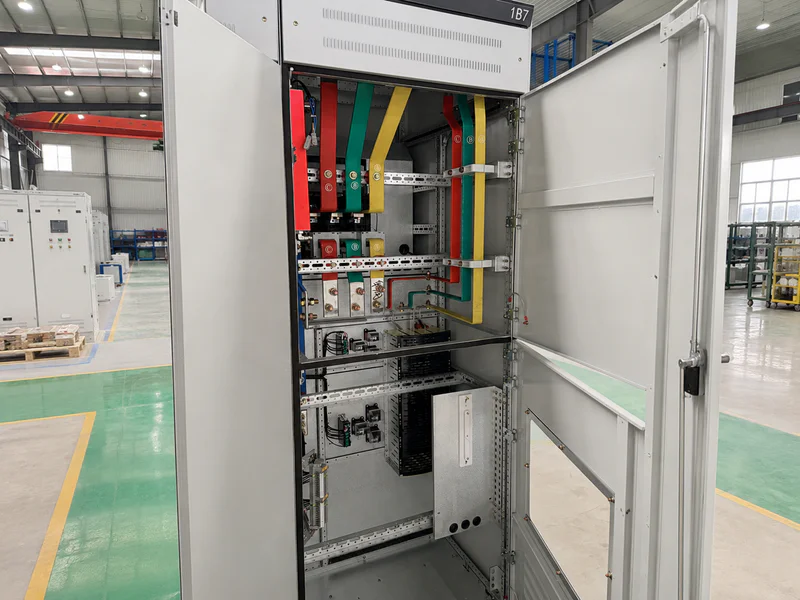
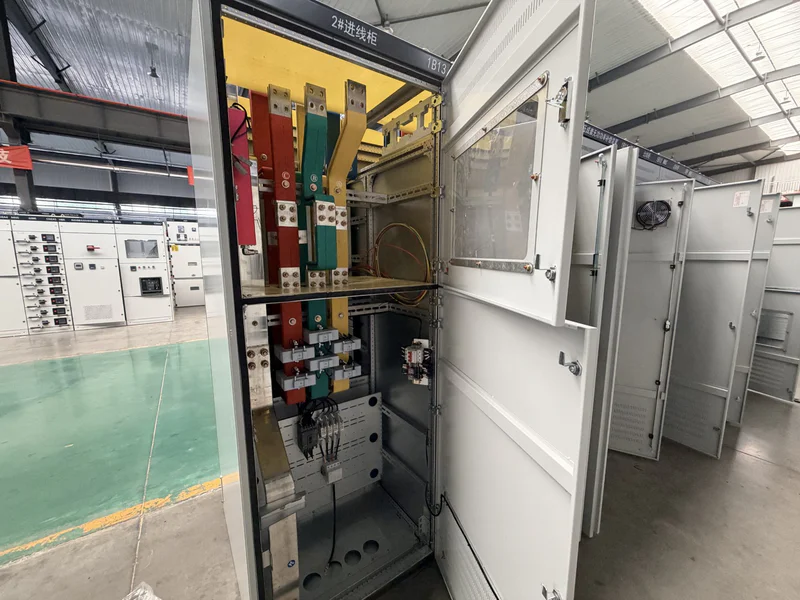
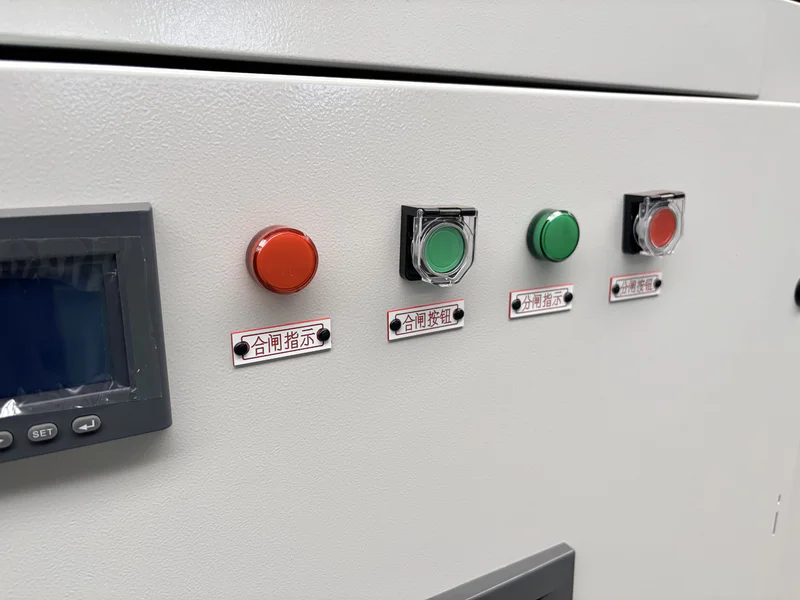
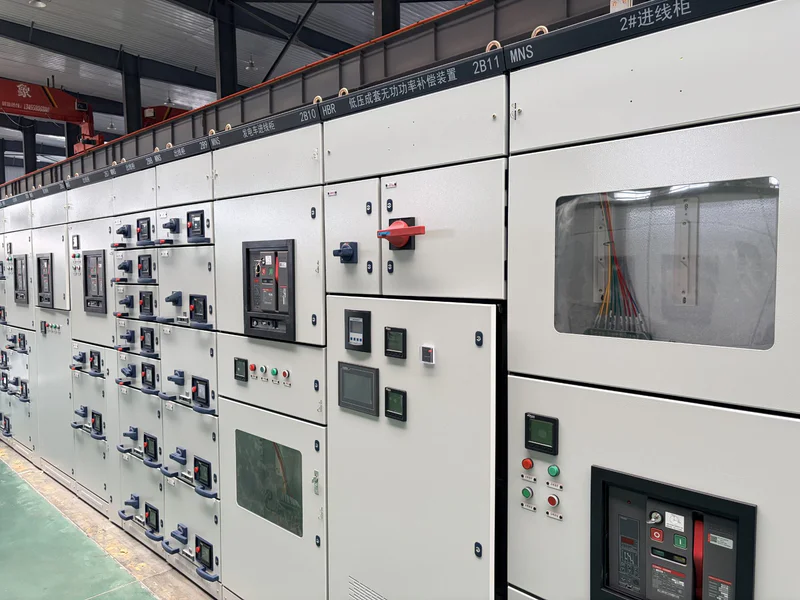
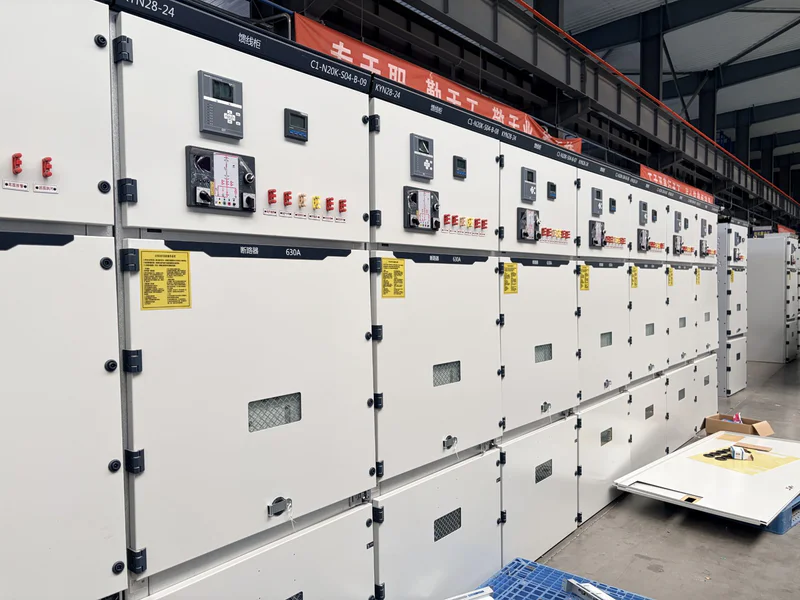
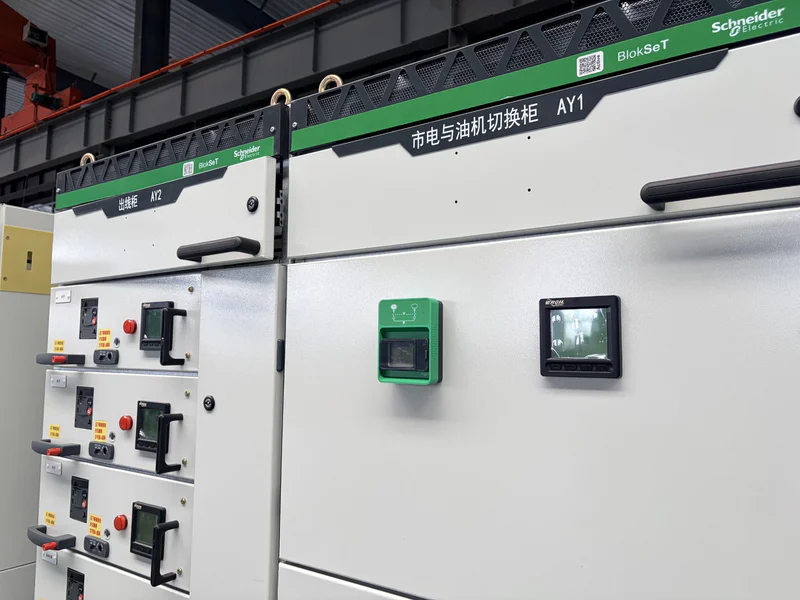
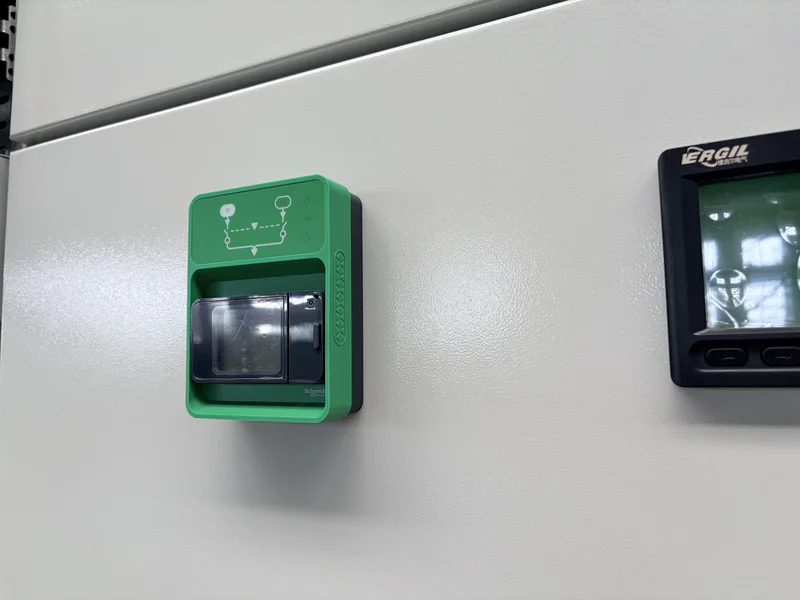
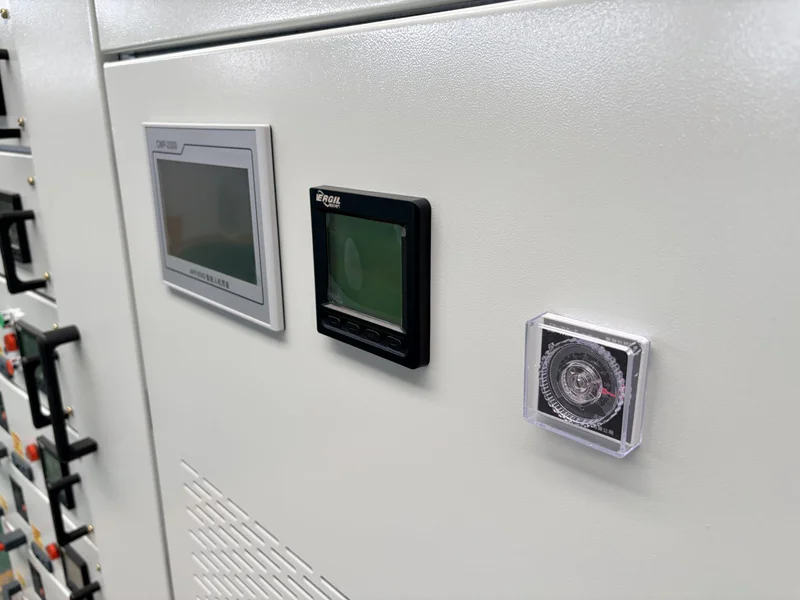
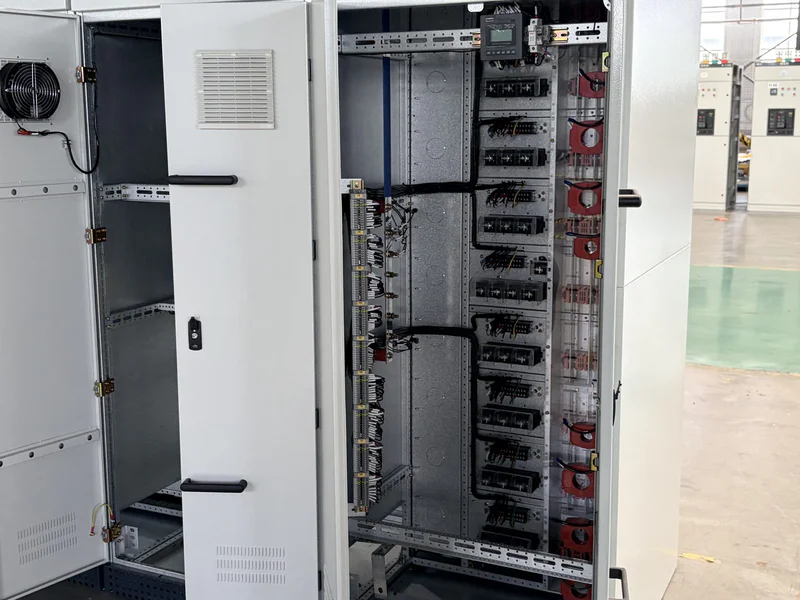
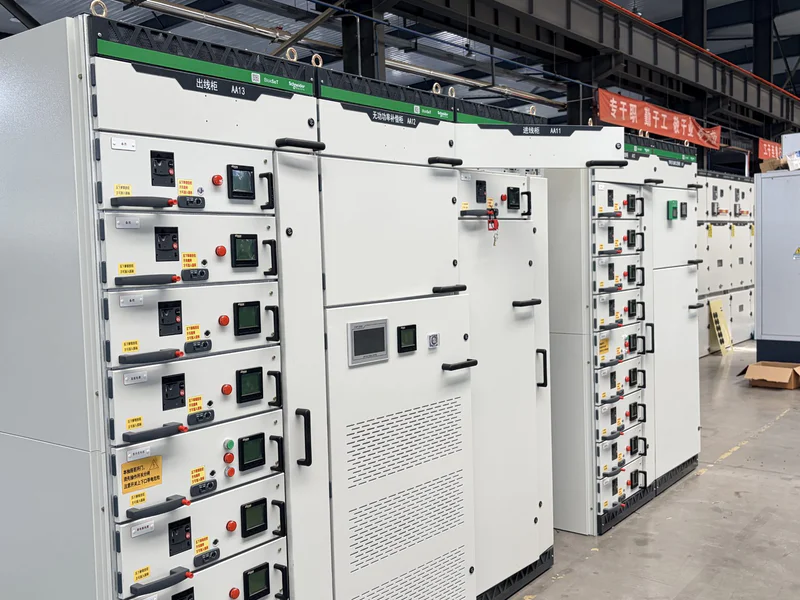
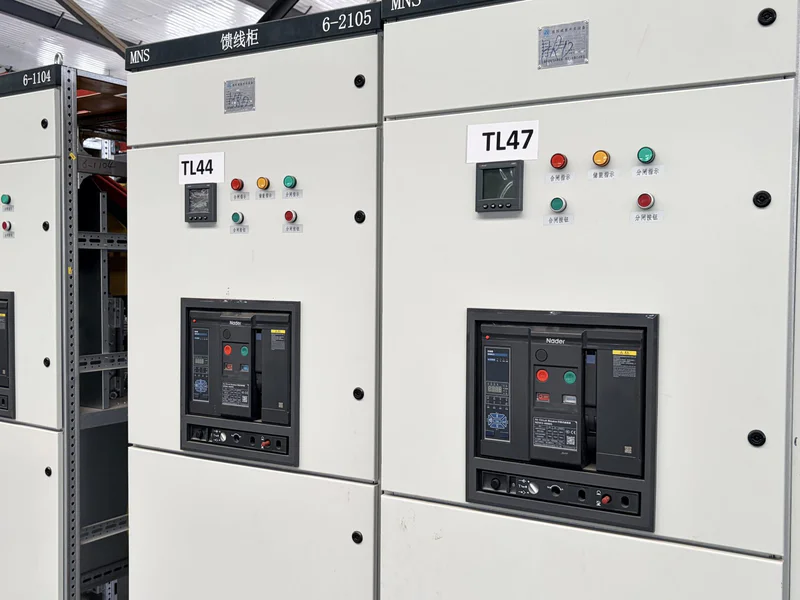
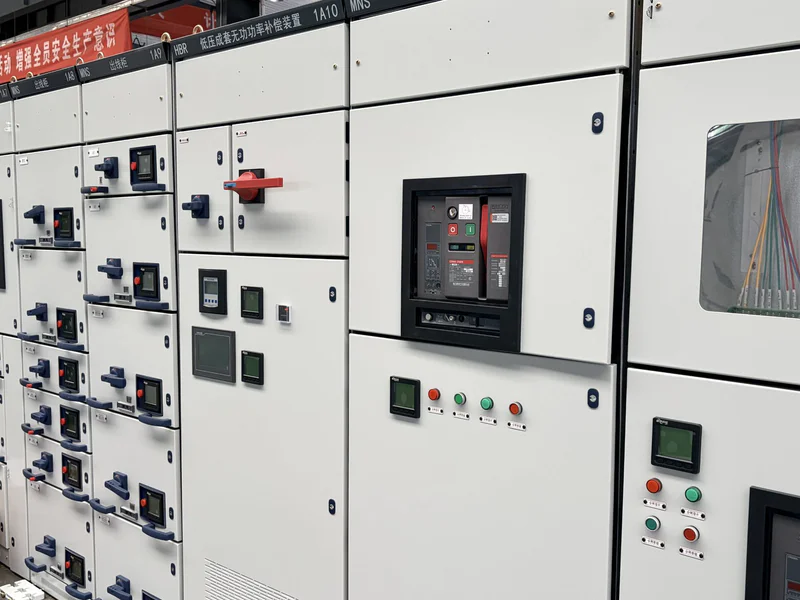
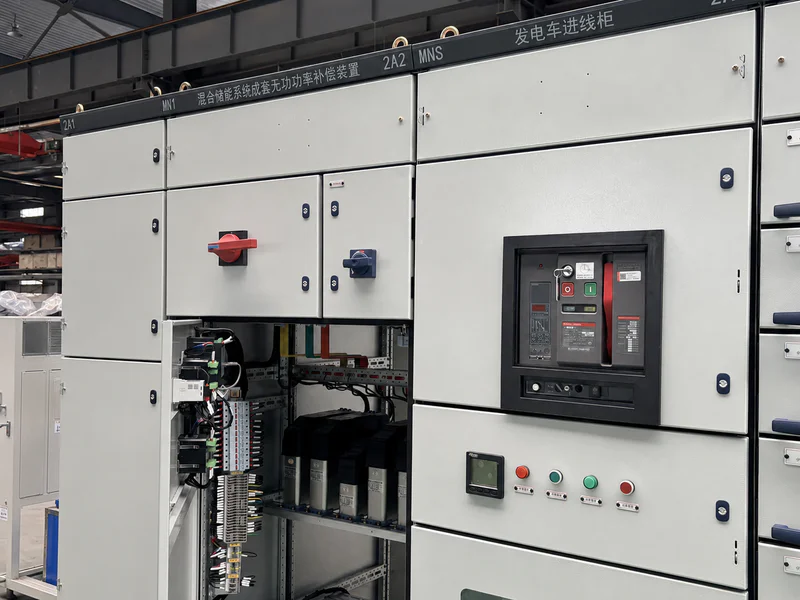
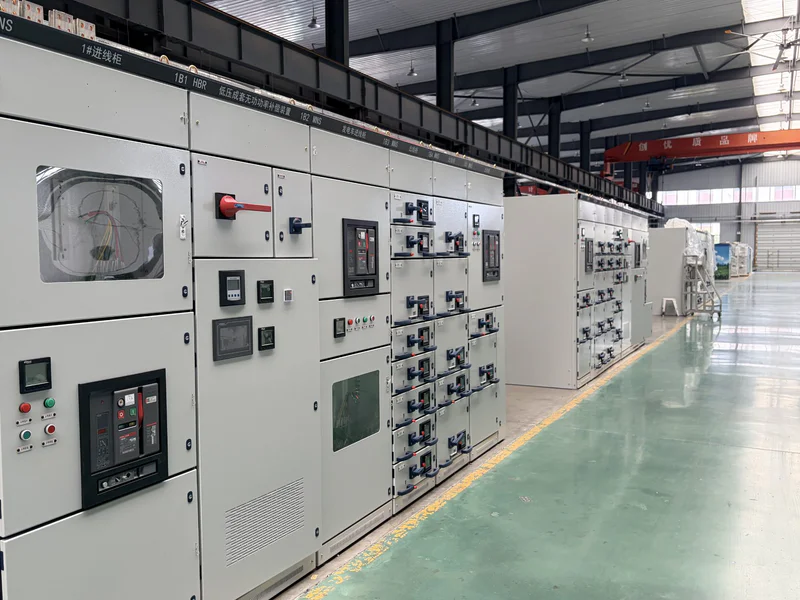
LV Switchgear Built Around Your Project
Send your single-line diagram, load schedule, panel schedule or project specification. We build LV switchgear, MDB, MCC, PCC, ATS, APFC and distribution panels that match your exact electrical configuration and site conditions.
Every Panel Built To Your
Drawings, BOM, test reports, FAT records and project documents are prepared for your approval and delivery.
Everything You Need To Spec Your Low Voltage Switchgear
Jump straight to the section that answers your question, from factory capabilities and panel options to testing, documents and lead time.
Factory Capabilities
Lines, capacity and what we build
Product Range
LV switchgear, MDB, MCC, PCC and panels
Project Applications
Where your cabinets get installed
Ratings & Standards
Current, fault level and IEC compliance
Proposal Requirements
What to send for an accurate quote
Engineering Support
SLD review and panel configuration
Protection Coordination
Breaker grading and discrimination
Busbar & Ventilation
Busbar sizing and thermal design
Panel Structure
Form of separation and enclosure
Component Options
Breakers, relays, CT and meters
Control & Metering
Control logic, metering and comms
Manufacturing Process
From sheet metal to wired panel
Quality Control
Checks across every build stage
Factory Testing
Routine tests and FAT before shipment
Risk Reduction
Common mistakes to avoid when buying
Project Documents
Drawings, BOM and test reports
Project Cases
Real LV projects we delivered
Buying Process
From inquiry to delivered cabinets
FAQ
Lead time, payment and warranty
Inquiry Form
Send your specs and get a quote
Request A Quote
Send your single-line diagram and get an LV switchgear proposal back within 24 hours.
Low Voltage Switchgear Manufactured In Our China Factory
Your LV switchgear project may need more than a standard distribution panel. We manufacture project-based assemblies around your SLD, load schedule, circuit list, rated current, fault level, breaker configuration, busbar system, cable entry direction, control logic and document requirements.
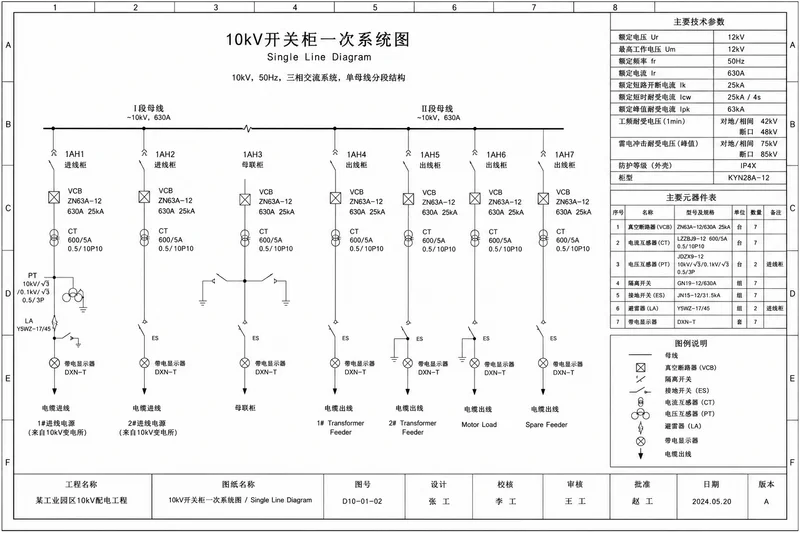
SLD-Based Engineering
We review your single-line diagram, load schedule and feeder list before panel layout and quotation.
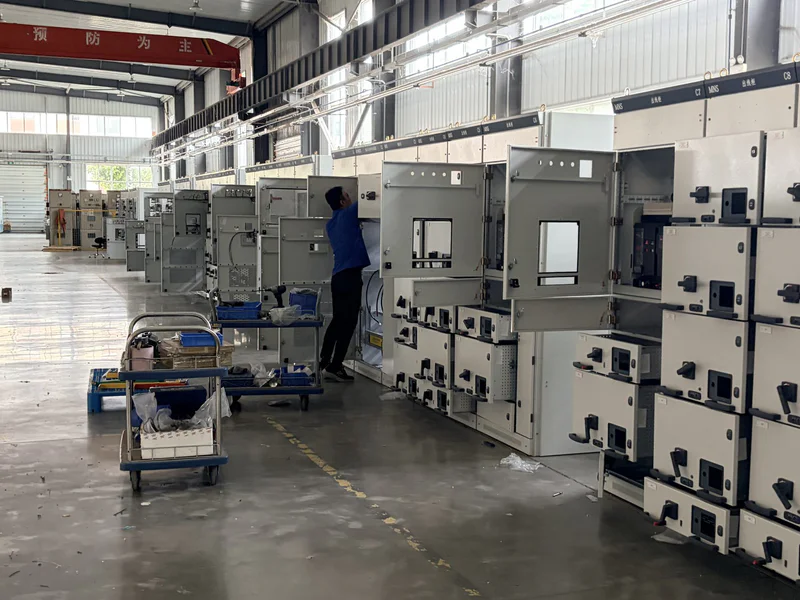
Project LV Assemblies
MDB, MCC, PCC, ATS, APFC and distribution panels built for building, industrial and EPC projects.
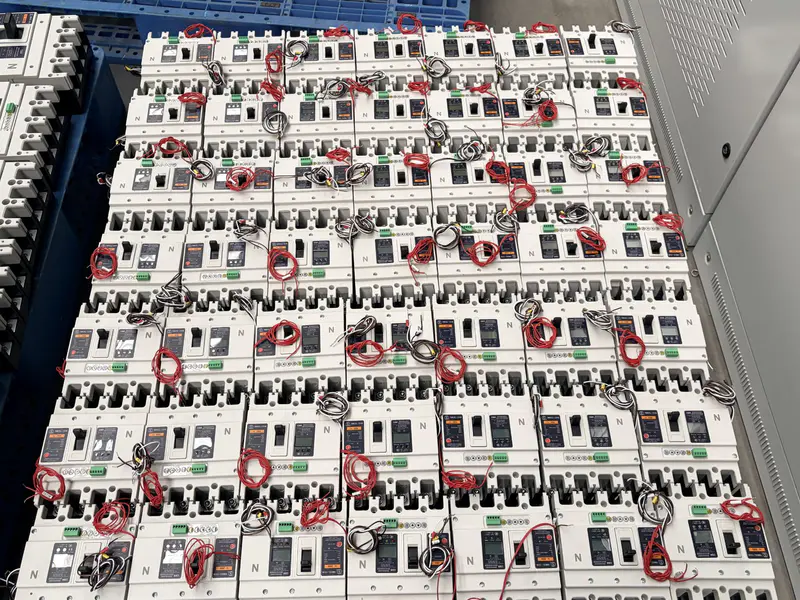
Breaker Configuration
ACB, MCCB, MCB, contactor, soft starter and VFD options selected according to your load and protection needs.
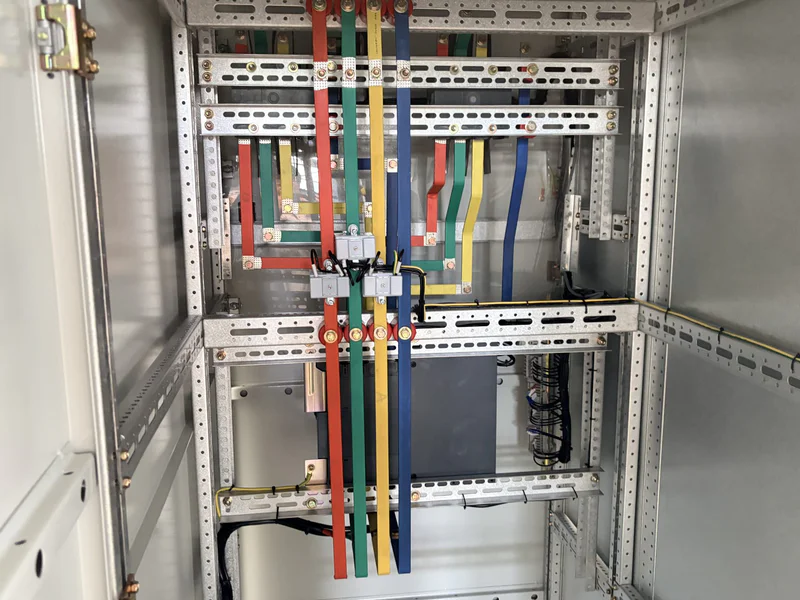
Busbar & Cable Space
Busbar rating, short-circuit level, neutral and PE busbar and cable entry direction are checked during design.
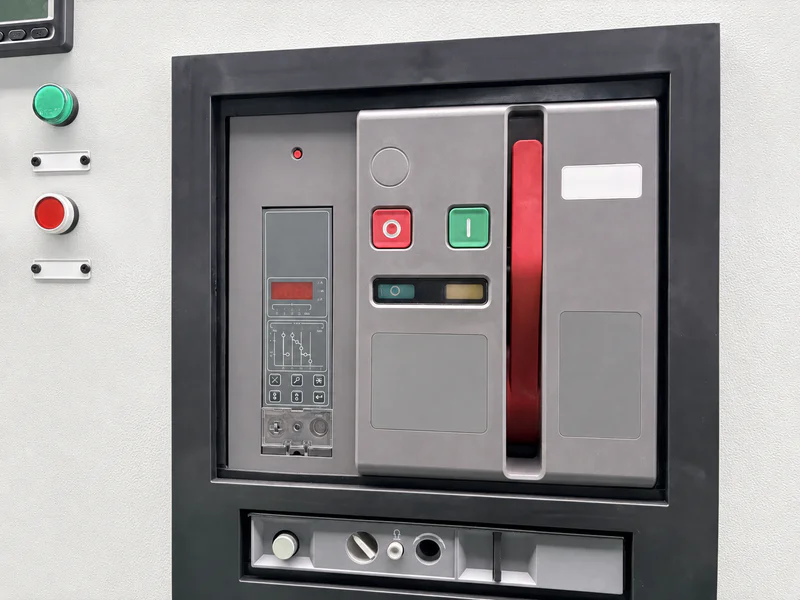
Control & Communication
Secondary wiring, metering, ATS logic, MCC control, APFC control and communication terminals prepared as required.
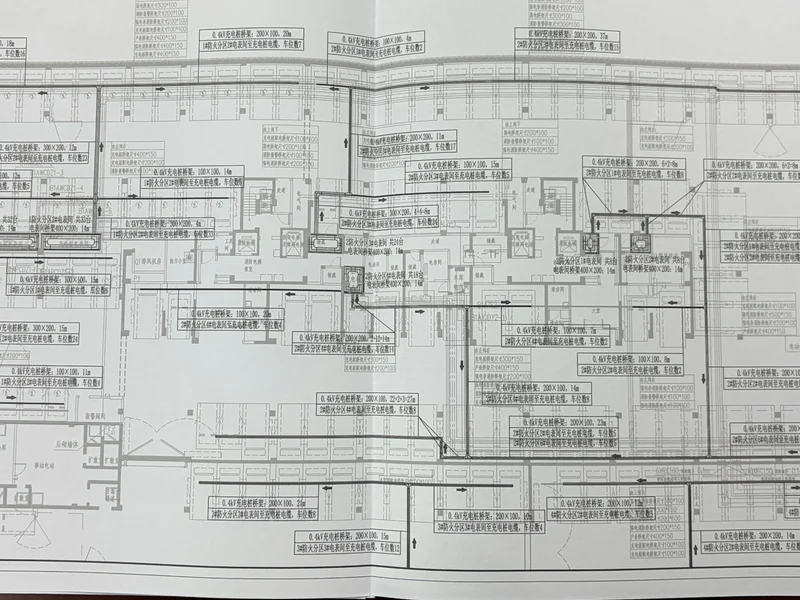
Documents For Approval
GA drawings, schematic diagrams, BOM, wiring diagrams, test reports, FAT records and O&M documents can be supplied.
Not Sure Which LV Configuration Your Project Needs?
Send your single-line diagram, load schedule or circuit list. Our engineering team checks rated current, fault level, breaker selection and busbar design with you before any quotation, so you order the right panel the first time.
Low Voltage Switchgear Cabinets We Manufacture
We manufacture LV switchgear cabinets for power distribution, motor control, power transfer, power factor correction and project-specific control. Each panel is configured around your SLD, load schedule, circuit list, rated current, short-circuit level, component preference, cable entry direction and site installation requirements.
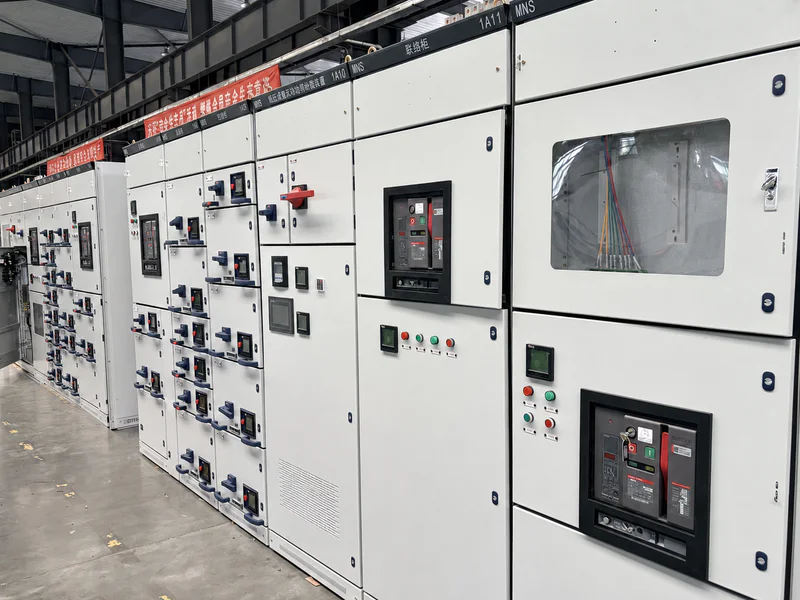
Main Distribution Board
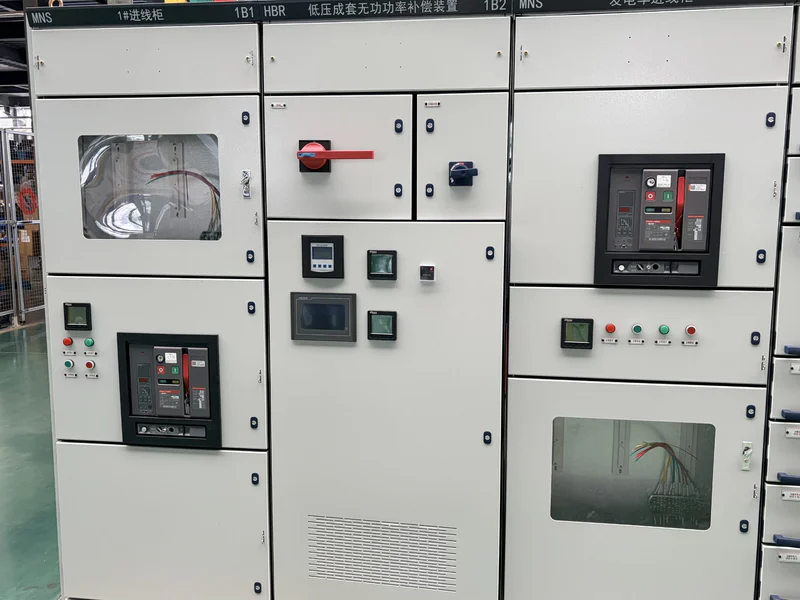
Main distribution boards for transformer low-voltage side distribution in commercial buildings, industrial plants, data centers and infrastructure projects. Configurations can include main incomer ACB, outgoing MCCB feeders, metering, busbar system, form of separation and top or bottom cable entry.
Power Control Center
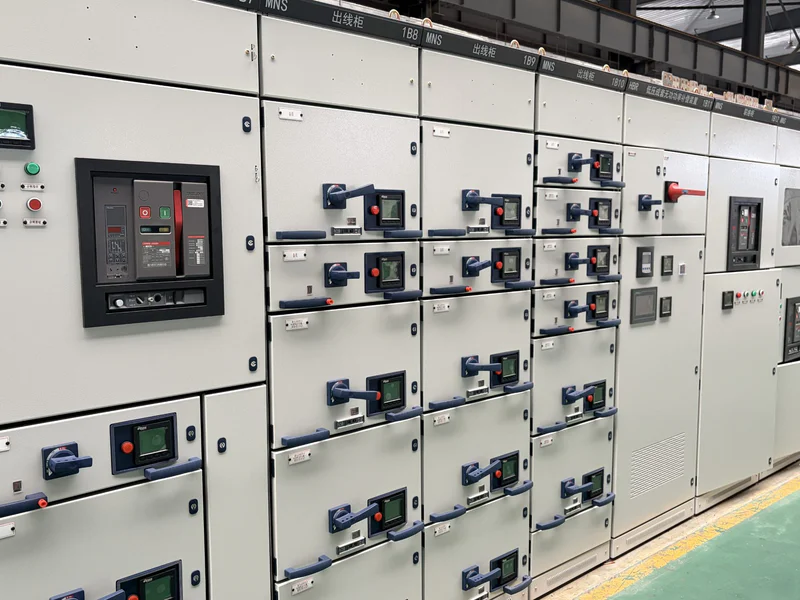
PCC panels for large power loads, production lines, pump systems, mechanical equipment and industrial power distribution. The design can include incoming feeders, outgoing protection, spare circuits, metering, busbar arrangement and project-specific breaker coordination.
Motor Control Center
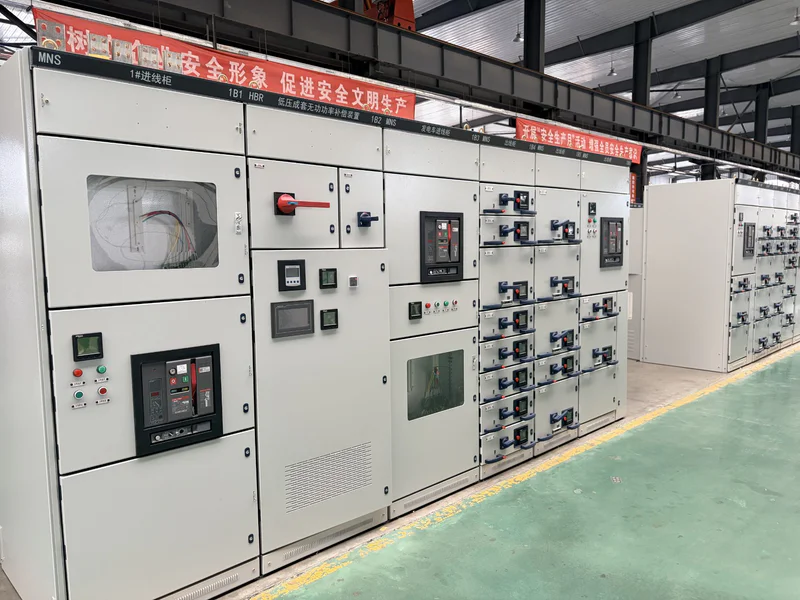
MCC panels for motor control and industrial automation systems. Available configurations include DOL starter, star-delta starter, soft starter, VFD feeder, contactor, overload relay, motor protection, local and remote control, status indication and terminal wiring.
Low Voltage Switchboard
Low voltage switchboards for main power distribution and feeder protection in building, industrial and utility projects. The panel layout can be designed with ACB, MCCB, busbar system, cable termination space, metering, protection devices and front or rear access.
Automatic Transfer Switch Panel
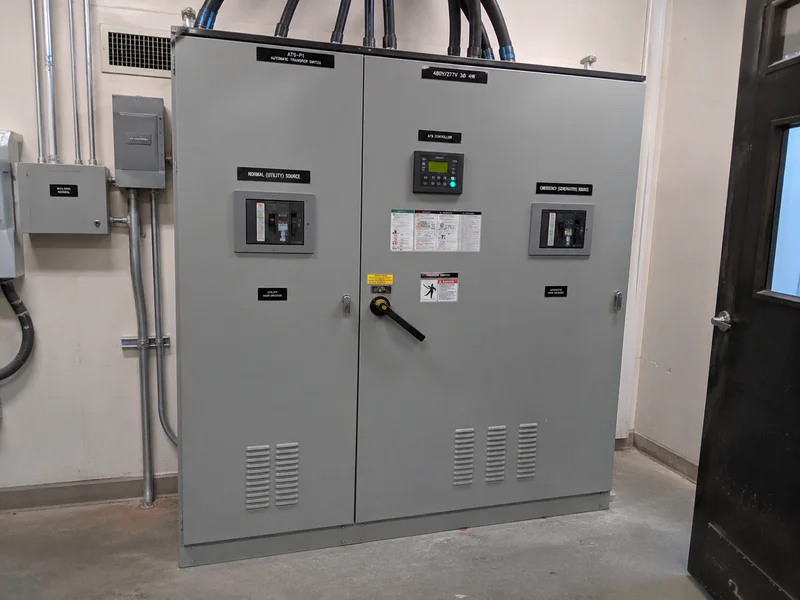
ATS panels for utility-generator transfer, dual-power supply transfer and emergency power distribution. The system can be configured with automatic and manual operation, controller, mechanical and electrical interlock, status indication, signal terminals and transfer logic testing.
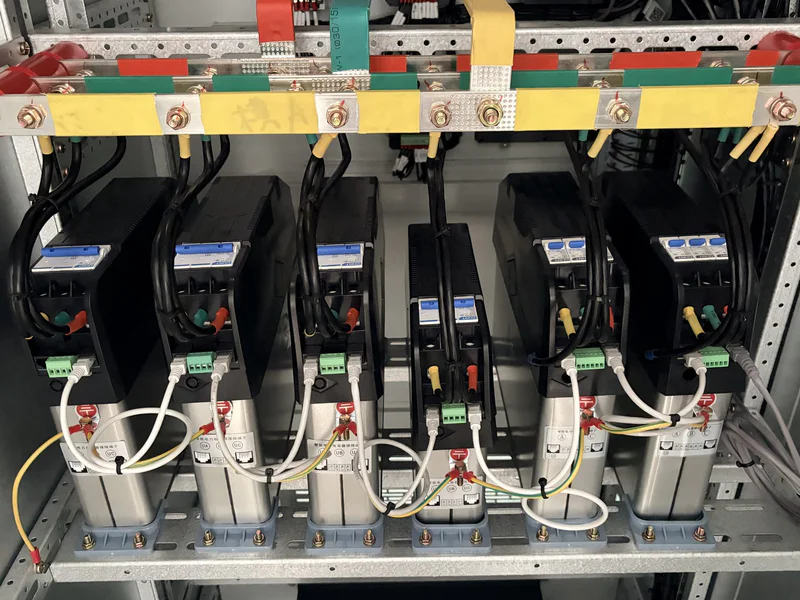
APFC / Capacitor Bank Panel
APFC panels for power factor correction in factories, commercial buildings and facilities with large inductive loads. Configurations can include capacitor steps, APFC controller, contactors, fuses, detuned reactors, ventilation design, metering and protection devices.
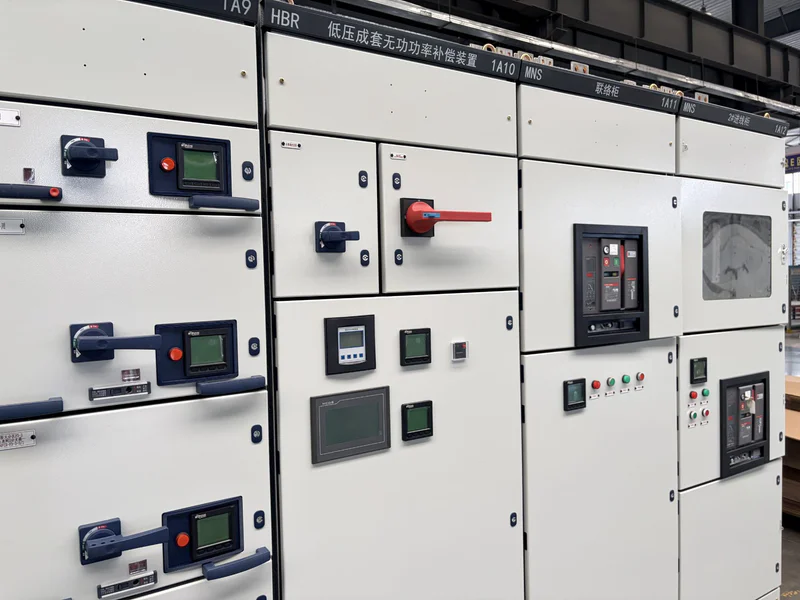
Distribution Board / SMDB
Sub-main distribution boards and final distribution panels for lighting, HVAC, small power and branch circuit protection. Options include MCB, MCCB, RCD, RCBO, surge protection, circuit labeling, compact enclosure design and wall-mounted or floor-standing installation.
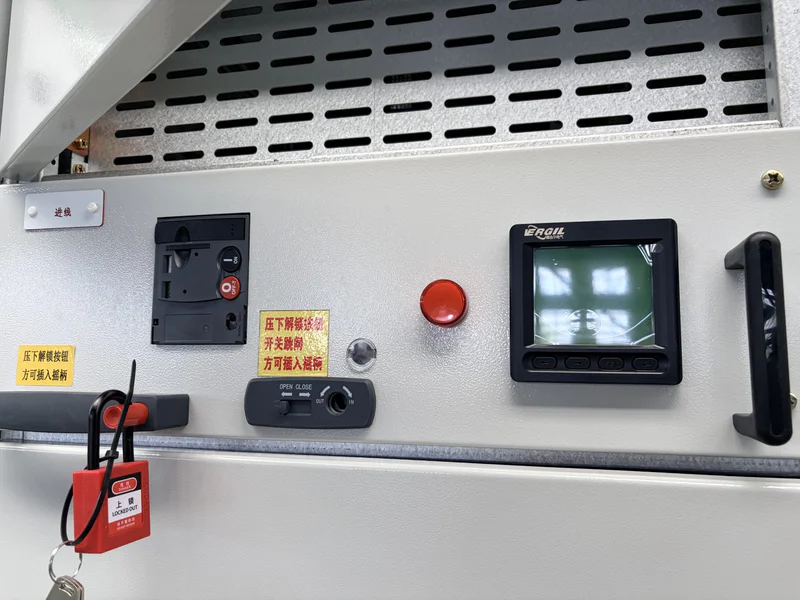
Customized LV Control Panel
Custom low voltage control panels for pumps, HVAC, water treatment, equipment control and automation systems. The panel can include PLC, relay control, HMI, VFD, signal terminals, control wiring, communication interface and project-specific schematic diagrams.
Low Voltage Switchgear Solutions For Different Projects
LV switchgear is not designed the same way for every project. A commercial building, factory, hospital, data center or renewable site needs different feeder arrangements, protection logic, cable entry, metering and documents. We configure each cabinet around your electrical system, installation space and operation requirements.
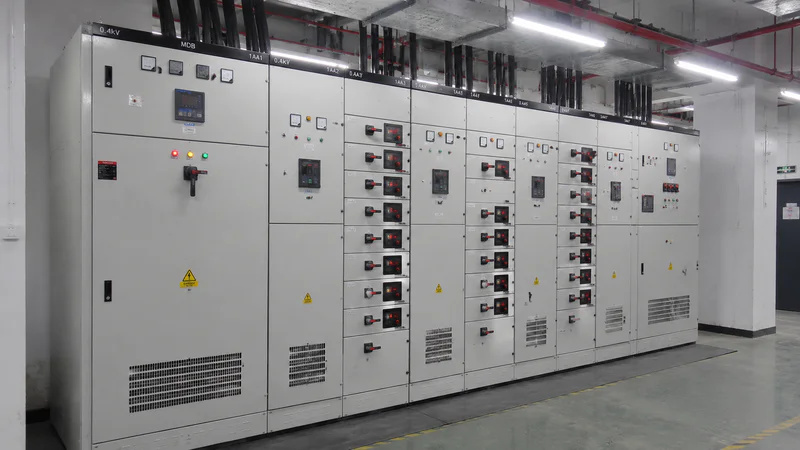 Commercial Buildings
Commercial Buildings
Designed for main distribution, sub-main distribution, lighting, HVAC, elevators, fire systems and tenant power supply. We support MDB, SMDB, DB and ATS panels with clear circuit arrangement, metering, cable entry design and documents for consultant approval.
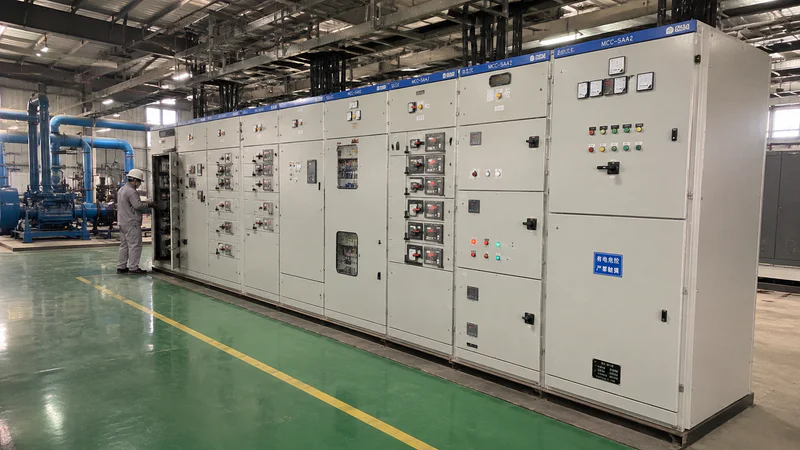 Industrial Plants
Industrial Plants
Stable power distribution for production lines, motors, pumps, compressors and process equipment. We manufacture MCC, PCC, APFC and distribution panels with motor starters, VFD feeders, breaker protection, spare circuits and maintenance-friendly wiring layout.
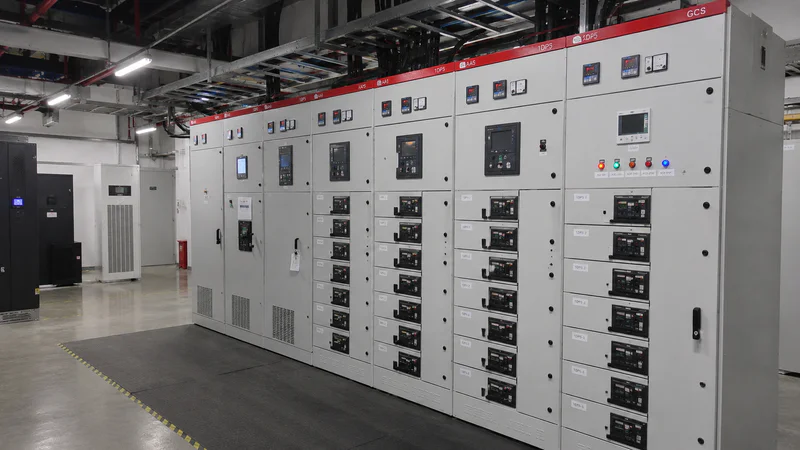 Data Centers
Data Centers
Reliable distribution, clear feeder separation, monitoring and coordination with UPS, generator and PDU systems. We configure LV switchboards, ATS panels and distribution panels with metering, communication terminals, breaker coordination and FAT support before delivery.
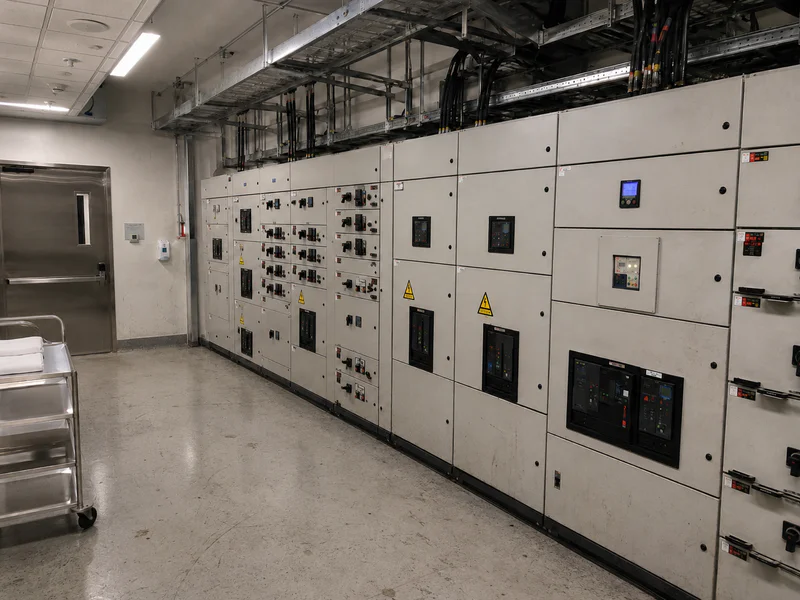 Hospitals
Hospitals
Essential loads, emergency power supply, medical areas, fire systems and backup generator distribution. We provide ATS panels, MDB, SMDB and emergency distribution panels with clear load separation, transfer logic, status indication, testing records and project documents.
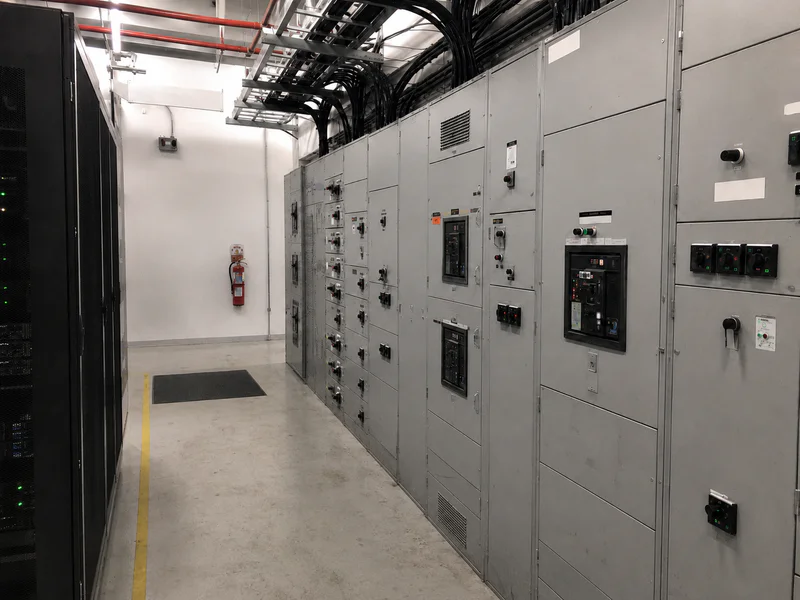 Renewable & BESS
Renewable Energy And BESS
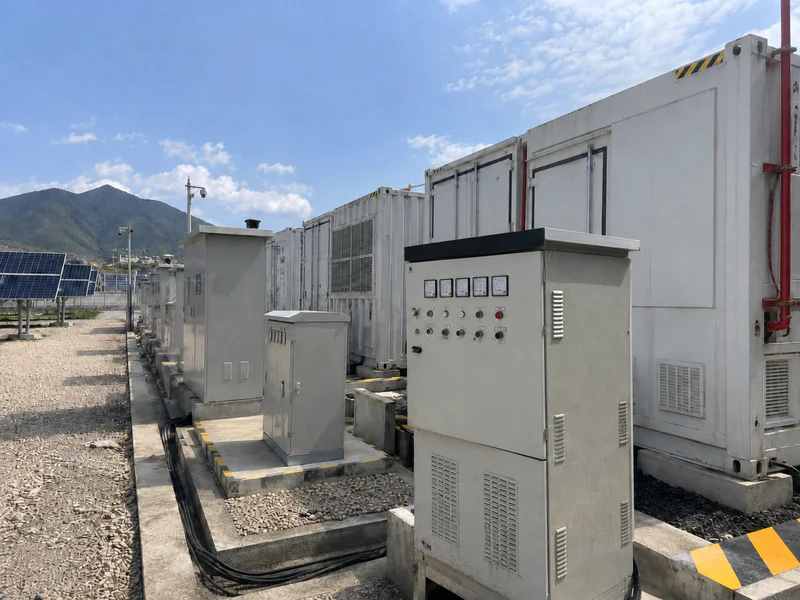
LV AC distribution, PCS feeder panels, combiner panels, metering, communication and ventilation design. We build LV panels according to inverter output, fault level, cable entry, protection requirements and site installation conditions.
 Infrastructure
Infrastructure And Utilities
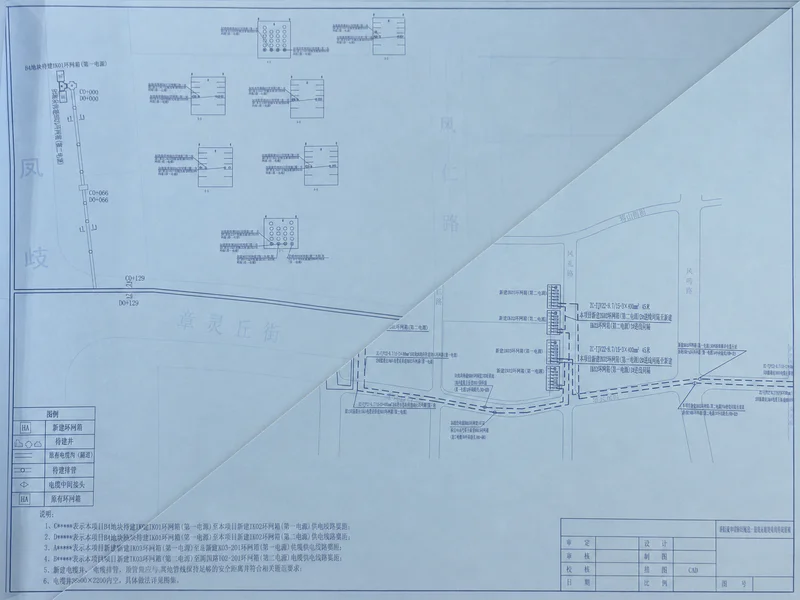
Water treatment, pump stations, transportation facilities and public utilities need durable LV switchgear for long operating cycles. We support MDB, MCC, pump control panels, ATS panels and control cabinets with clear wiring, protection, control logic and maintenance access.
 EPC & MEP
EPC And MEP Projects
Accurate drawings, approved component lists, panel schedules, wiring diagrams, FAT records and complete handover documents. We work from your SLD, specification and project requirements to prepare LV switchgear suitable for approval, installation and commissioning.
Tell Us About Your Project, We Configure The Panel Around It
Whether it is a commercial building, factory, data center, hospital or renewable site, send us your load list and site conditions. We match feeder arrangement, protection, cable entry and documents to your exact application before quotation.
Designed According To Project Ratings And Applicable Standards
Each cabinet should match the electrical ratings, installation environment and standard requirements of your project. Before production, we review your SLD, specification and panel schedule to confirm the main electrical parameters, protection level, cable entry, panel structure and document requirements.
| Item | What We Confirm | Project Notes |
|---|---|---|
| Rated Operational Voltage | Main operating voltage of the LV system | Commonly based on project SLD and local grid system |
| Rated Insulation Voltage | Insulation level for the assembly | Confirmed according to switchgear design and component selection |
| Rated Impulse Withstand Voltage | Surge withstand requirement | Reviewed according to project standard and system condition |
| Rated Frequency | System frequency | 50Hz or 60Hz according to project location |
| Rated Current | Main incomer and feeder current ratings | Based on load schedule, transformer capacity and feeder list |
| Short-time Withstand Current | Busbar and assembly short-time withstand level | Checked against project fault level |
| Peak Withstand Current | Peak short-circuit withstand requirement | Confirmed together with short-time withstand rating |
| Breaker Breaking Capacity | ACB, MCCB or MCB interrupting capacity | Selected according to short-circuit current |
| Main Busbar Rating | Main busbar current capacity | Designed according to rated current and temperature rise consideration |
| Neutral Busbar Rating | Neutral busbar capacity | Confirmed according to load type and project requirement |
| PE Busbar | Protective earth busbar design | Included according to grounding and safety requirements |
| Form of Separation | Internal separation arrangement | Form 1, Form 2, Form 3 or Form 4 can be discussed by project |
| IP Protection Degree | Enclosure protection level | Selected according to indoor, outdoor, dust or moisture conditions |
| Installation Type | Indoor or outdoor installation | Enclosure, ventilation and protection design are adjusted accordingly |
| Ambient Temperature | Site operating temperature | Used for component selection, ventilation and derating review |
| Altitude | Installation altitude | Considered when insulation and temperature rise may be affected |
| Control Voltage | Secondary control circuit voltage | AC or DC control voltage according to project design |
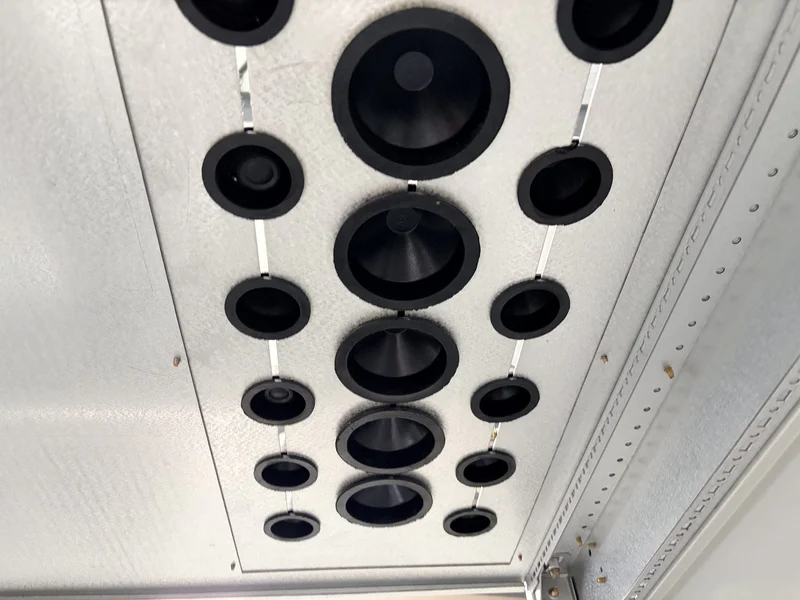
| Cable Entry Direction | Top or bottom cable entry | Confirmed before panel layout and fabrication |
| Access Type | Front access or rear access | Designed according to room layout and maintenance space |
| Applicable Standard | Required project standard | IEC 61439 or project-specific standard can be followed when applicable |
Swipe the table sideways to see all columns.
Send Your Ratings, We Confirm The Full Specification
Share your rated voltage, current, fault level and standard. We check every parameter against your SLD and load schedule, then return a confirmed spec sheet before you commit to production.
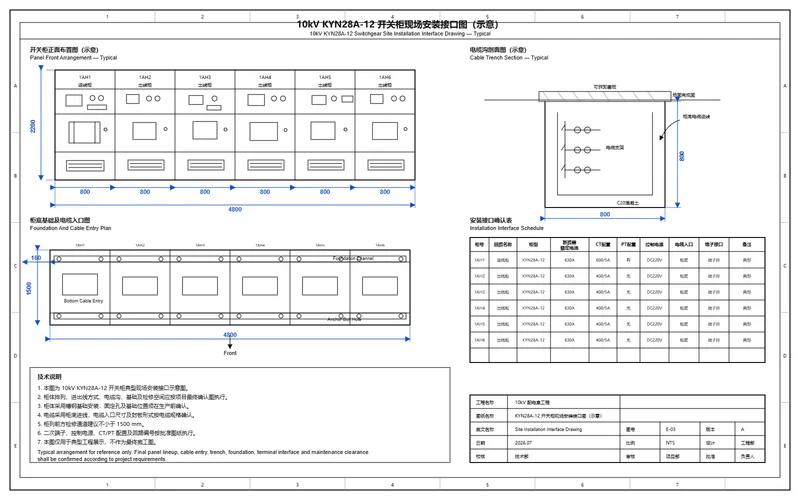
Engineering Support For LV Panel Design And Drawings
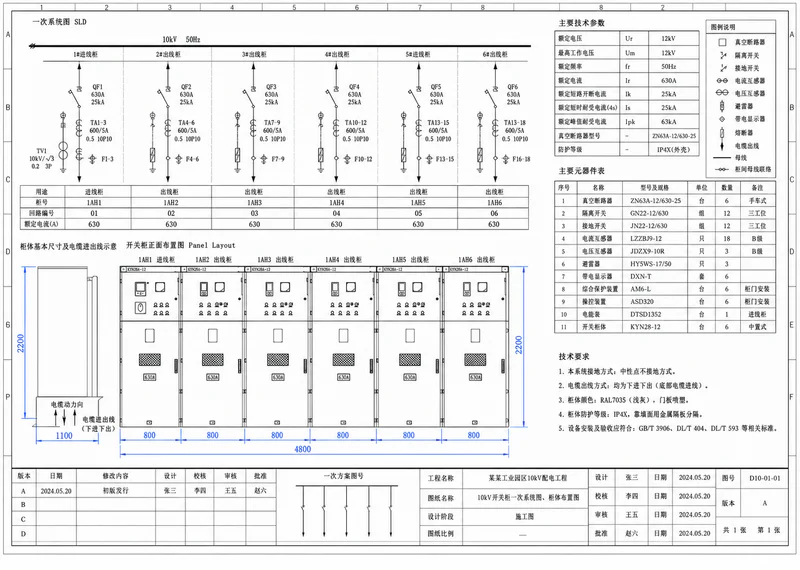
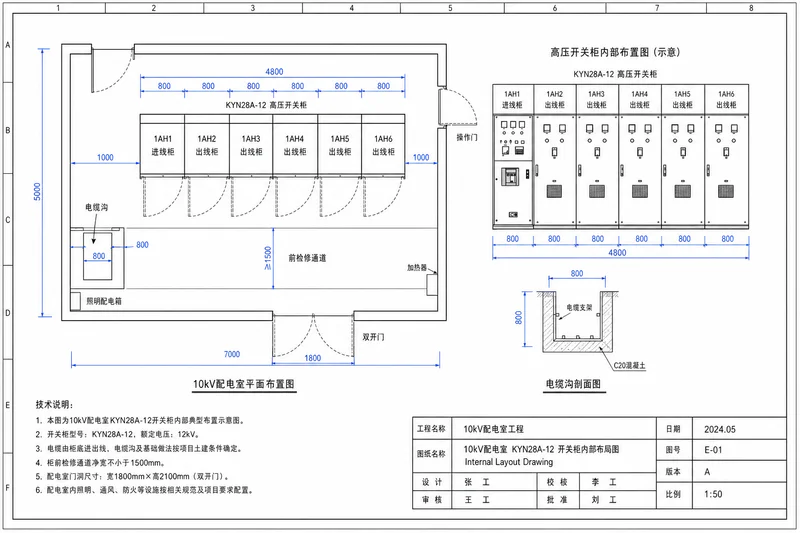
LV switchgear projects depend on accurate drawings before production. Panel size, feeder arrangement, cable entry, breaker configuration, control wiring and terminal layout should be confirmed clearly before the cabinet is built. Our engineering team reviews your SLD, panel schedule, load list, MCC schedule, room layout and specification, then prepares practical drawings and documents for approval, production, installation and FAT.

Protection Coordination And Short-circuit Rating Review
A cabinet should not only match the required current rating. It also needs proper short-circuit withstand capacity, breaker breaking capacity and reasonable coordination between the incoming breaker, busbar system and outgoing feeders. We review your SLD, transformer capacity, fault level, load schedule and feeder list to confirm whether the selected ACB, MCCB, MCB, busbar and protection devices suit your electrical system.
Each breaking point and busbar rating is checked against your project fault level.
Fault Level Confirmation
We check the available short-circuit current at the LV side from your project data, transformer capacity and system condition before selecting breakers and busbar ratings.
Breaker Breaking Capacity
ACB, MCCB and MCB breaking capacity is selected according to the fault level at each panel position, not only by load current.
Busbar Withstand Rating
Main busbar, neutral busbar and PE busbar are reviewed against rated current, short-time withstand current and peak withstand current.
Upstream And Downstream Review
We review the relationship between incoming breakers, outgoing feeders and downstream panels to reduce unnecessary power interruption from poor protection arrangement.
Motor And Feeder Protection
For MCC and industrial panels, motor feeders, VFD feeders, soft starters and large loads are reviewed by starting method, protection requirement and control logic.
Protection Setting Support
When project data is available, we support discussion on breaker settings, overload, short-circuit, earth fault protection and selective coordination requirements.
Worried Your Breaker Rating Might Not Match The Fault Level?
Send your transformer capacity, fault level and feeder list. We check breaking capacity, busbar withstand and protection coordination against your system, so the panel is safe before it goes into production.
Busbar Design, Temperature Rise And Ventilation
The busbar system is one of the most important parts of an LV switchgear cabinet. For high-current panels, busbar size, joint connection, support spacing, insulation clearance, ventilation and enclosure protection are reviewed together before production. We design the arrangement around your rated current, short-circuit level, panel structure, ambient temperature, IP rating, cable entry and installation space, for stable current distribution, easier maintenance and better heat dissipation.
Main Busbar Arrangement
Designed around your rated current, incoming feeder position, outgoing feeder arrangement and panel layout. Copper or aluminum busbar can be discussed by project requirement, budget and specification.
Short-circuit Withstand Review
Busbar support, phase spacing and connection structure should match your short-time withstand and peak withstand current. Reviewed together with breaker selection and project fault level.
Joint Connection And Inspection
Busbar joints, contact surfaces, bolts and connection points need careful assembly and inspection. Proper tightening, contact area and clear phase identification help reduce overheating risk.
Temperature Rise And Ventilation
Ventilation is considered together with rated current, enclosure size, IP degree, ambient temperature and component heat loss. Natural ventilation, forced ventilation or layout adjustment can be discussed when required.
Component Options Selected Around Your Project
Each LV panel is built with components chosen for your load, protection scheme and project specification. We select breakers, starters, protection devices, metering, control and communication parts according to your rated current, fault level and control requirements.
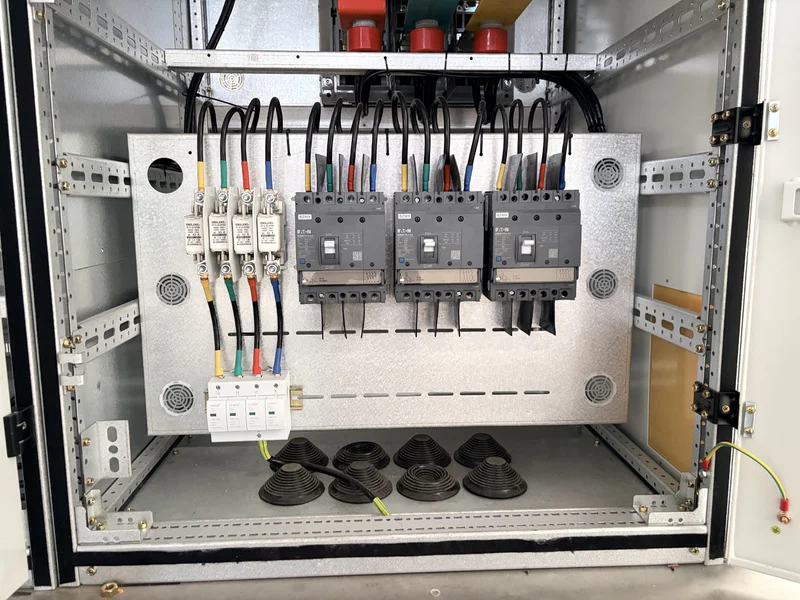
Circuit Breakers
ACB, MCCB, MCB and RCBO are selected by rated current, breaking capacity and protection needs. Branded or project-specified breakers can be supplied according to your requirement and budget.
Discuss Components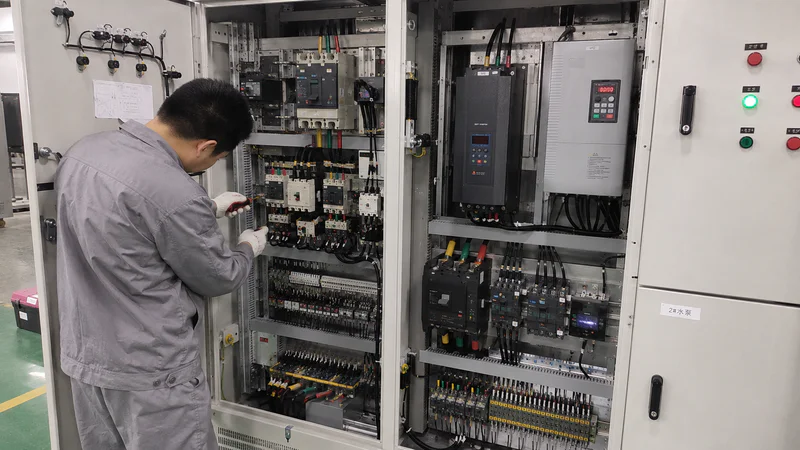
Contactors And Starters
Contactors, overload relays, DOL and star-delta starters, soft starters and VFD feeders are configured by motor rating, starting method and control logic for MCC and industrial panels.
Discuss Components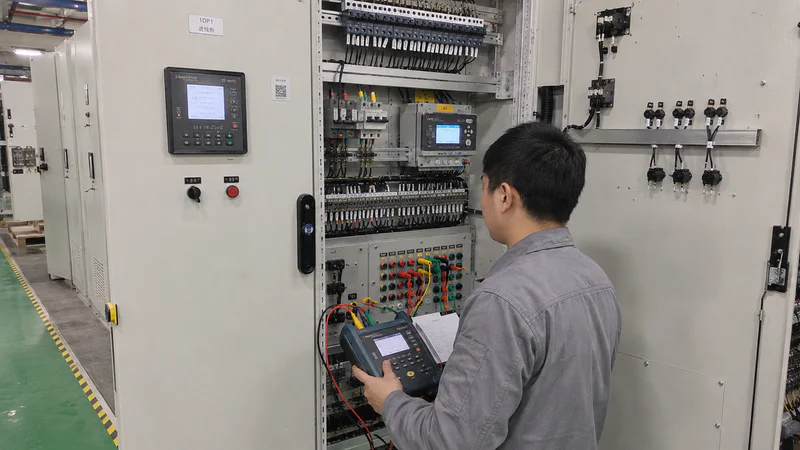
Protection Relays
Overload, short-circuit, earth fault and multifunction protection relays are selected to your protection scheme, feeder type and coordination requirement, with alarm and trip signals as needed.
Discuss Components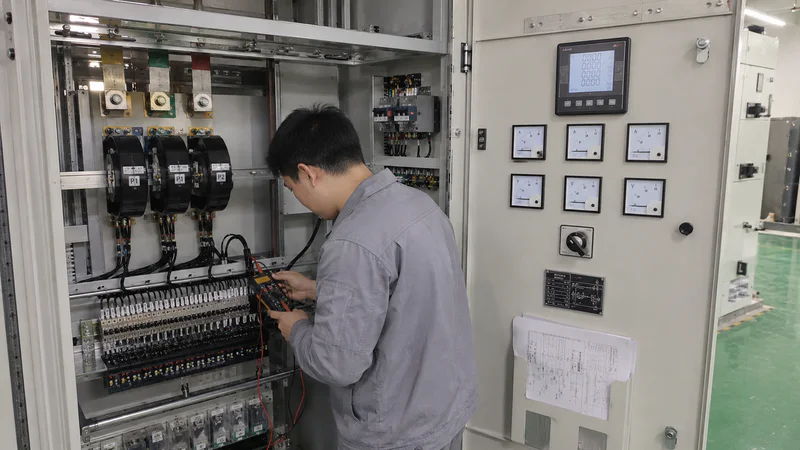
CT, PT And Metering
Current transformers, potential transformers, multifunction meters, ammeters and voltmeters are selected by CT ratio, class and metering points to support accurate measurement and monitoring.
Discuss Components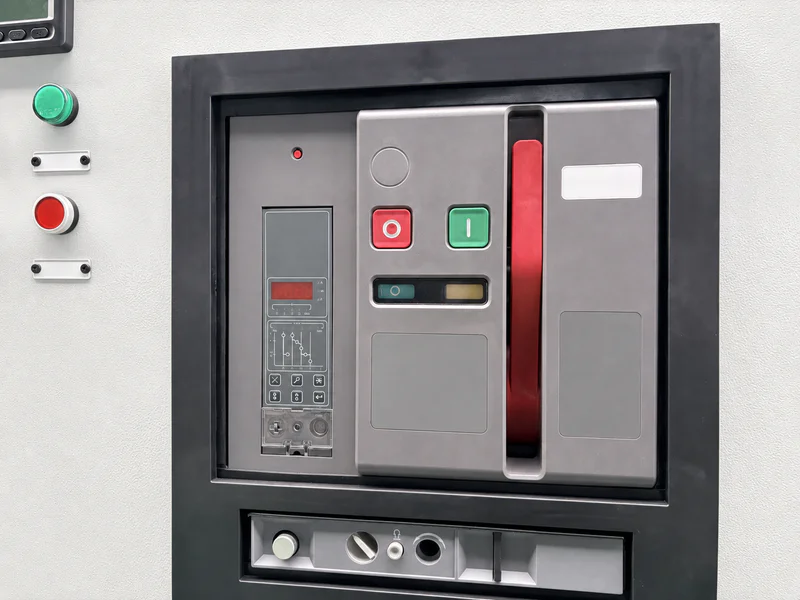
Control And Indication Devices
Control switches, push buttons, selector switches, signal lamps, live voltage indicators and auxiliary contacts are arranged by your local or remote control and indication requirements.
Discuss Components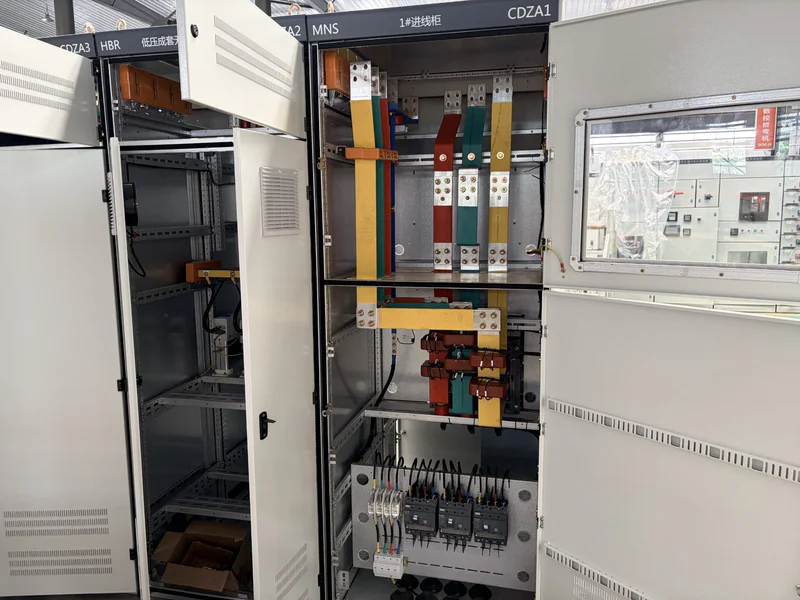
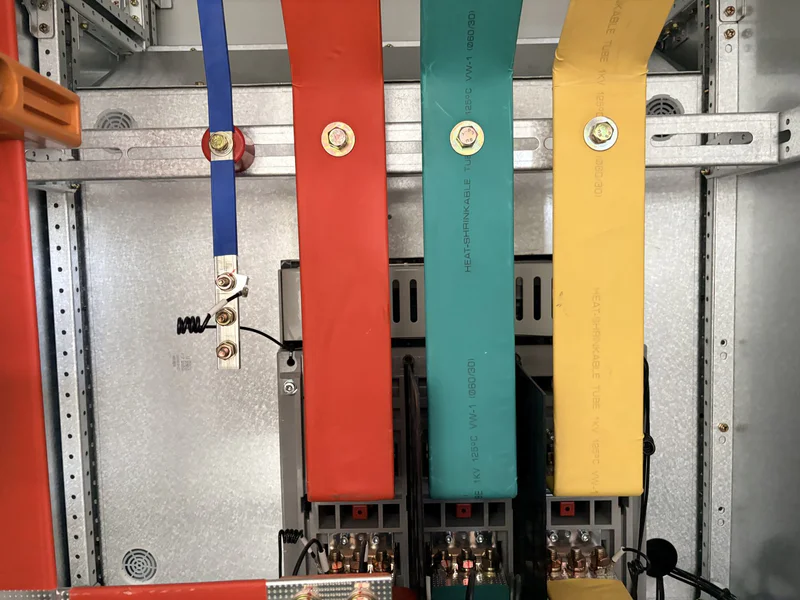
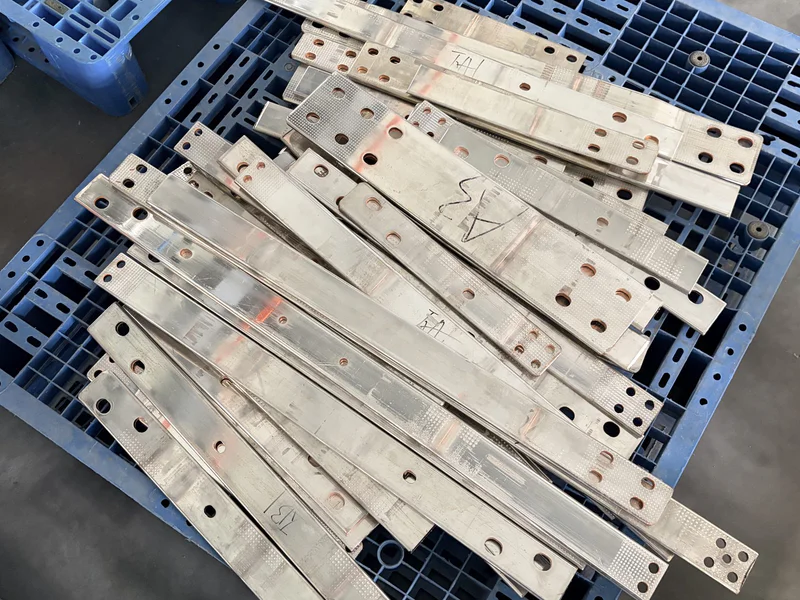
Busbar And Insulation
Copper or aluminum busbar, busbar supports, insulators, heat-shrink sleeving and phase barriers are selected by rated current, short-circuit withstand and insulation clearance.
Discuss Components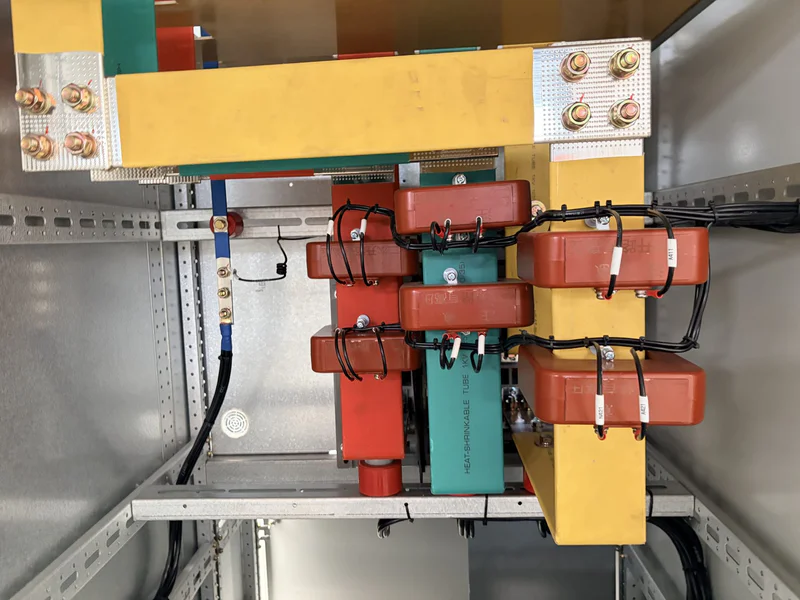
Terminals And Wiring
Terminal blocks, control wiring, cable ducts, ferrules, labels and earthing terminals are prepared to your terminal plan and wiring diagram for clear, maintainable connections.
Discuss Components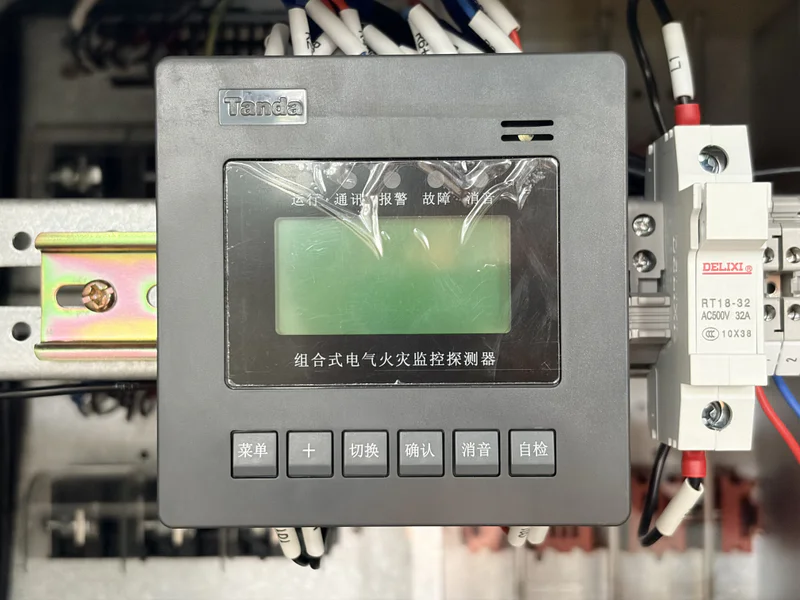
Communication And Monitoring
Communication modules, power meters with Modbus, gateways and monitoring interfaces can be added when your project needs remote metering, status monitoring or integration with a BMS or SCADA system.
Discuss ComponentsMain Components And Configuration Options
LV switchgear performance depends not only on cabinet structure, but also on correct component selection. ACB, MCCB, MCB, contactors, ATS, APFC devices, meters, control relays, PLC, HMI and terminals should match your load type, fault level, control logic, maintenance preference and project specification, with selection guided by spec, local maintenance preference, spare parts availability and budget.
Breakers And Protection Devices
We configure ACB, MCCB, MCB, RCBO, RCD, surge protection devices, current transformers, protection relays and accessories according to rated current, breaking capacity, feeder type and protection requirements.
Power Control Components
For MCC, PCC and industrial panels, we configure contactors, thermal overload relays, soft starters, VFDs, motor protection devices, selector switches, indicator lamps and control relays according to motor type and control method.
ATS And APFC Components
ATS panels can use transfer switches, controllers, interlocks and status signals. APFC panels can include APFC controllers, capacitors, contactors, fuses, detuned reactors, ventilation and protection devices for power factor correction.
Metering And Communication
Multifunction meters, voltage meters, ammeters, communication modules, PLC, HMI, RS485 terminals, Ethernet interfaces and signal terminals can be prepared for monitoring, local or remote control, or BMS and SCADA connection when required.
Wiring And Terminal System
Terminal blocks, cable lugs, wire markers, ferrules, trunking, grounding connections and clear circuit labels are arranged according to the approved drawings to support installation, testing and maintenance.
Swipe sideways to see more categories.


Control, Metering And Communication Options
For many projects, power distribution is only one part of the requirement. Your panel may also need local control, remote signals, metering, alarm output, communication terminals, ATS logic, MCC motor feedback or APFC control. We prepare the secondary circuit design around your control schematic, SLD, specification and site operation, and test it during FAT when required.
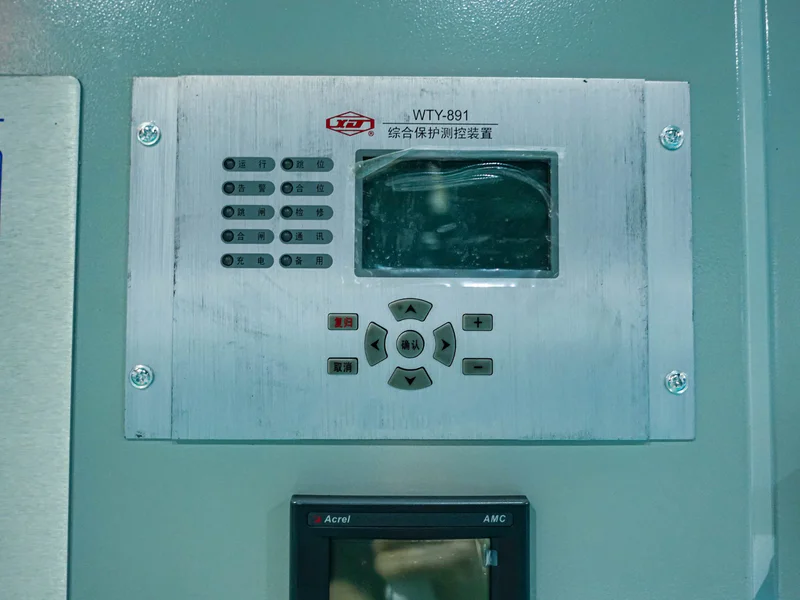
Local And Remote Control
Panels can be configured for local operation, remote control, selector switches, push buttons, indication lamps, trip signals and alarm contacts according to the operation method your project requires.
Metering And Energy Monitoring
Multifunction meters, current meters, voltage meters, CTs, energy meters and monitoring points can be arranged for incoming feeders, outgoing circuits or key loads according to your panel schedule.
ATS Control Logic
ATS panels can include automatic and manual operation, utility-generator transfer, dual-power transfer, controller settings, interlock logic, status indication and signal terminals for external monitoring.
MCC Motor Feedback
MCC panels can provide motor running status, trip alarm, local and remote control, starter control, VFD control, soft starter control and terminal wiring for field signals.
APFC Control
APFC panels can include power factor controllers, capacitor step control, contactors, fuses, detuned reactors, ventilation control and operation indication according to the compensation requirement.
Communication Interface
When required, RS485, Modbus RTU, Modbus TCP, Ethernet terminals, PLC interface, HMI interface or BMS and SCADA signal points can be prepared according to your project communication requirement.
Low Voltage Switchgear Manufacturing Process
A clear manufacturing process helps reduce drawing mistakes, component mismatch, wiring errors and site installation problems. From project review to FAT and packing, each cabinet is produced according to your approved drawings, BOM, electrical configuration and project requirements.
 01
01
Project Specification Review
We review the project specification, required standards, electrical ratings, installation environment, document requirements and special notes before preparing the technical proposal.
 02
02
SLD And Panel Schedule Review
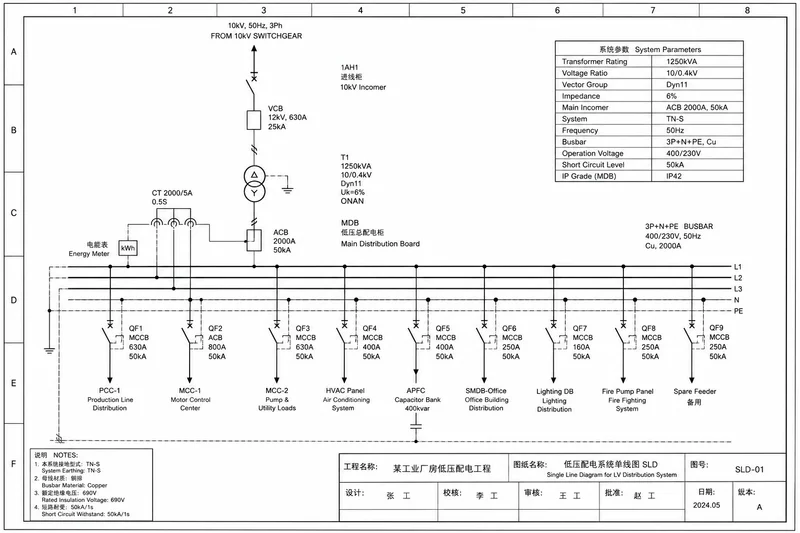
The single-line diagram, load schedule, panel schedule, feeder list and MCC schedule are checked to confirm panel quantity, circuit arrangement and main electrical configuration.
 03
03
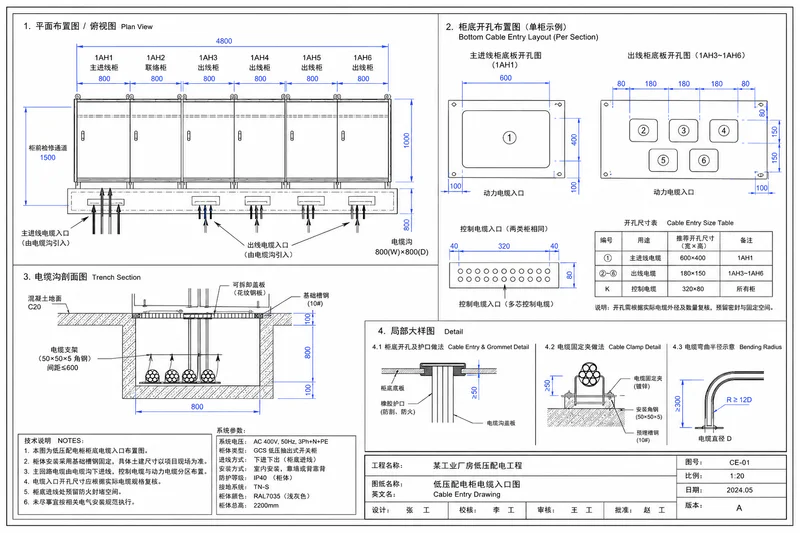
Drawing Confirmation
GA drawings, internal layout, schematic diagrams, cable entry drawings, foundation details and BOM are prepared and confirmed before production starts.
 04
04
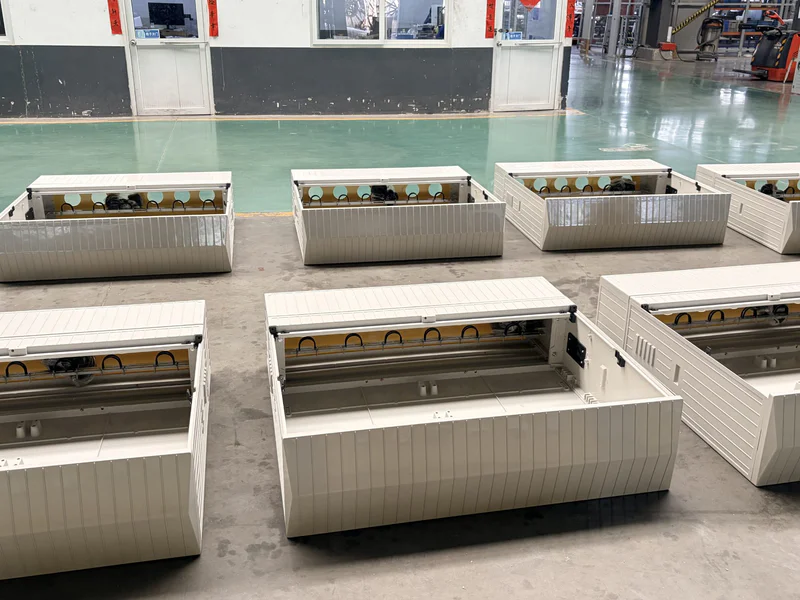
Sheet Metal Fabrication
Cabinet frames, doors, panels, compartments, cable sections and mounting plates are fabricated according to approved dimensions and structural requirements.
 05
05
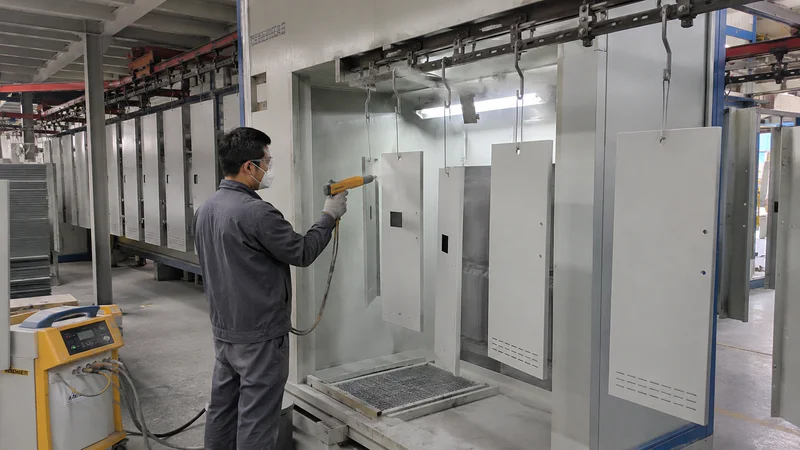
Surface Treatment And Painting
Sheet metal parts are treated and painted according to project requirements, installation environment, enclosure protection and appearance specifications.
 06
06
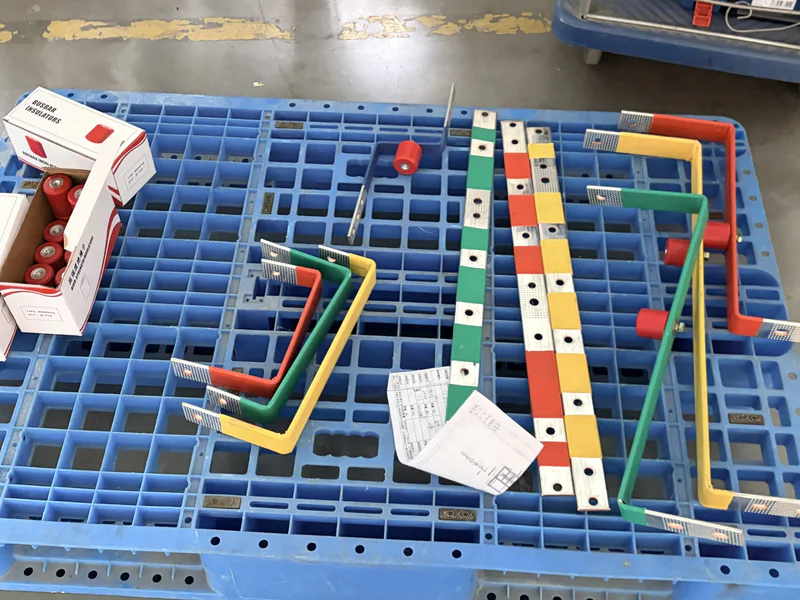
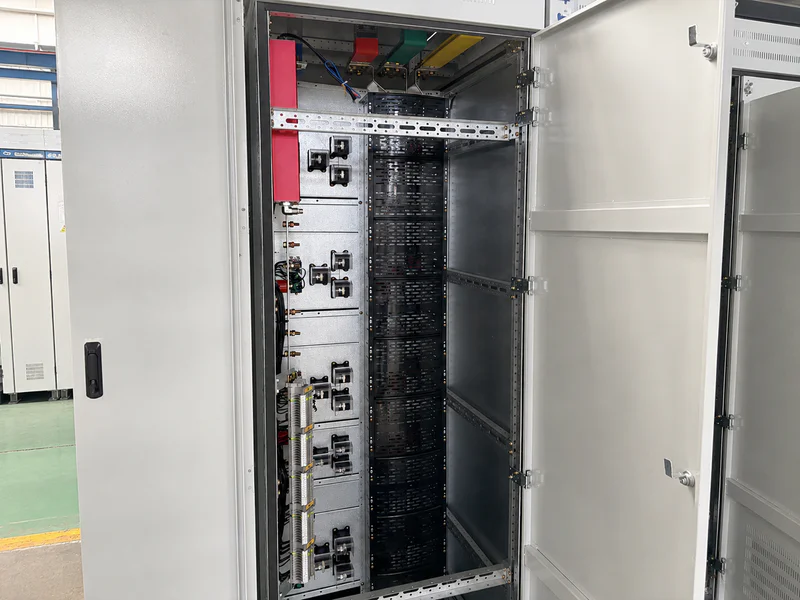
Busbar Processing
Main busbar, neutral busbar and PE busbar are processed, arranged and supported according to rated current, short-circuit level and panel structure.
 07
07
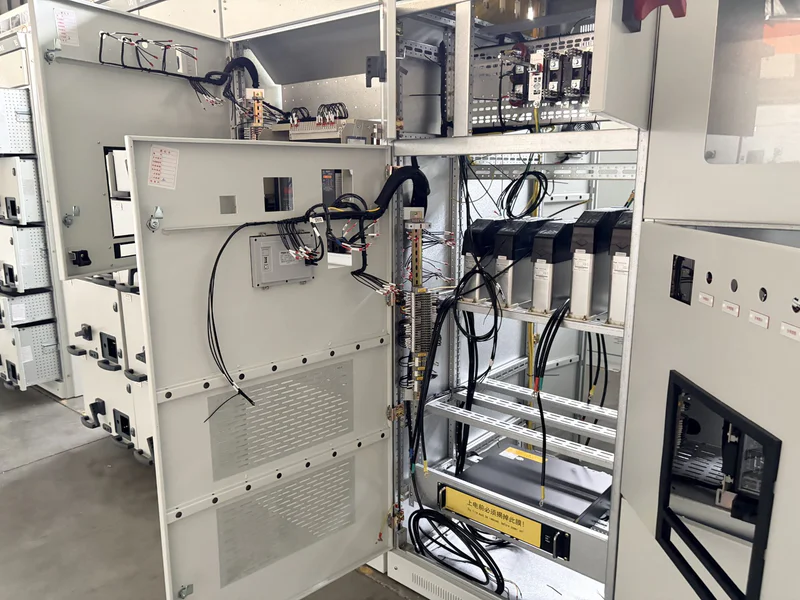
Component Installation
ACB, MCCB, MCB, contactors, meters, ATS, APFC devices, control parts and terminals are installed according to the approved BOM and layout drawing.
 08
08
Secondary Wiring
Control wiring, metering wiring, ATS logic, MCC control circuits, APFC control and communication terminals are wired according to the schematic diagram.
 09
09
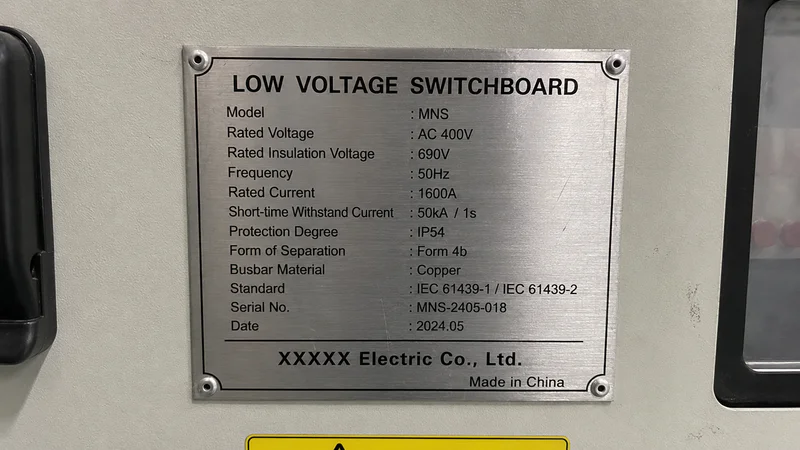
Labeling And Identification
Circuit labels, wire markers, terminal numbers, device tags, warning signs and nameplates are prepared for easier installation, operation and maintenance.
 10
10
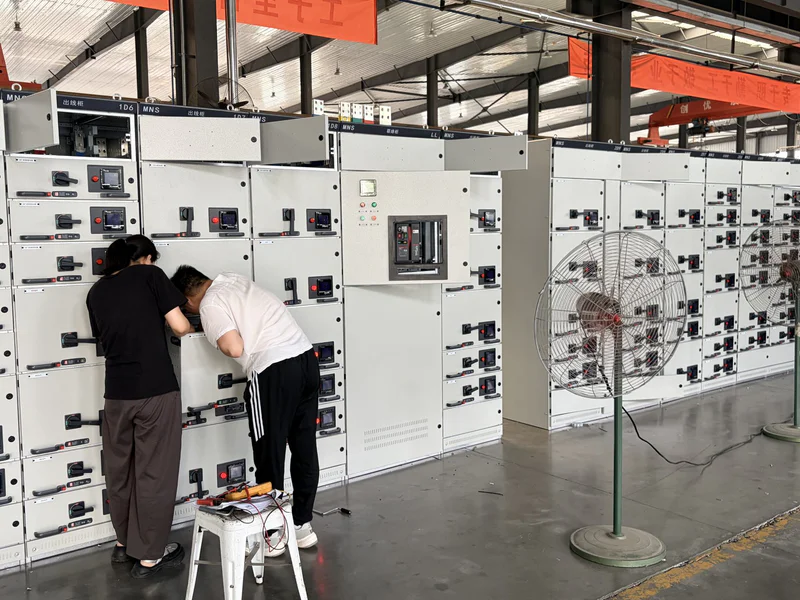
Mechanical Inspection
Door operation, locks, interlocks, mounting parts, busbar supports, component installation, cable space and panel dimensions are inspected before electrical testing.
 11
11
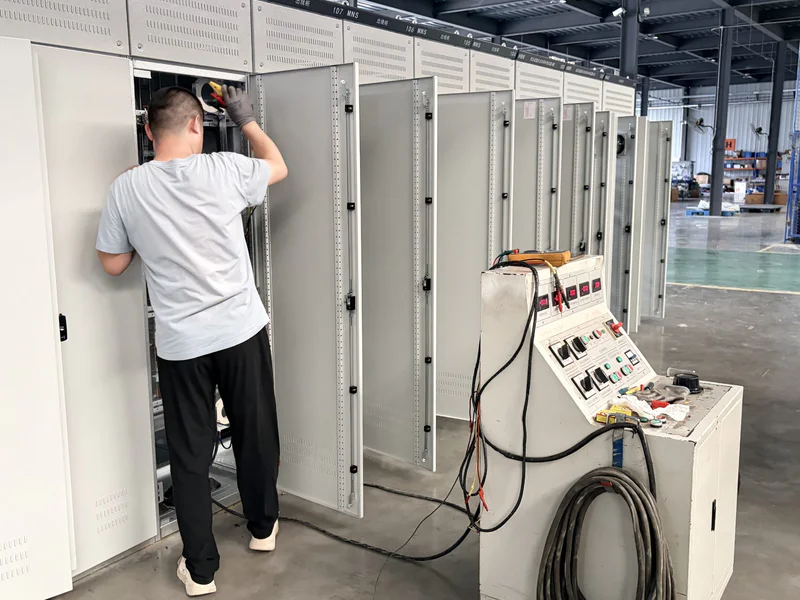
Electrical Testing
Insulation, continuity, wiring, control functions, breaker operation, metering, ATS transfer logic, MCC functions and APFC operation are tested when applicable.
 12
12
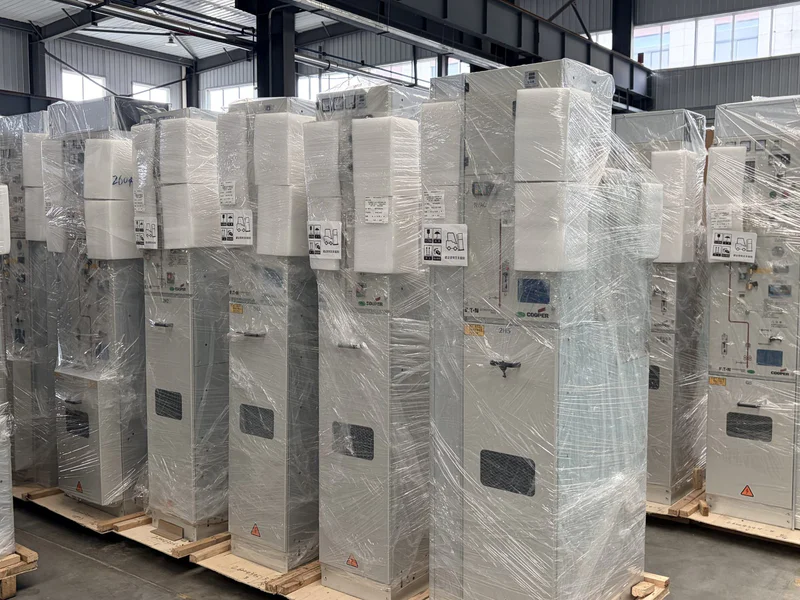
FAT And Packing
FAT records, inspection documents and final confirmation can be prepared before packing. Panels are packed according to shipment method and project delivery requirements.
Want A Quote That Matches Your Exact Panel Build?
Send your SLD, panel schedule and specification. We confirm the configuration, drawings and documents before production, so the quote and the delivered cabinets match what your project actually needs.
Quality Control For Low Voltage Switchgear Cabinets
Each cabinet is checked against your approved drawings, BOM and project requirements before delivery. Inspection focuses on component matching, busbar assembly, wiring accuracy, circuit labeling, mechanical operation and electrical functions to reduce avoidable problems during installation and commissioning.
 01Component
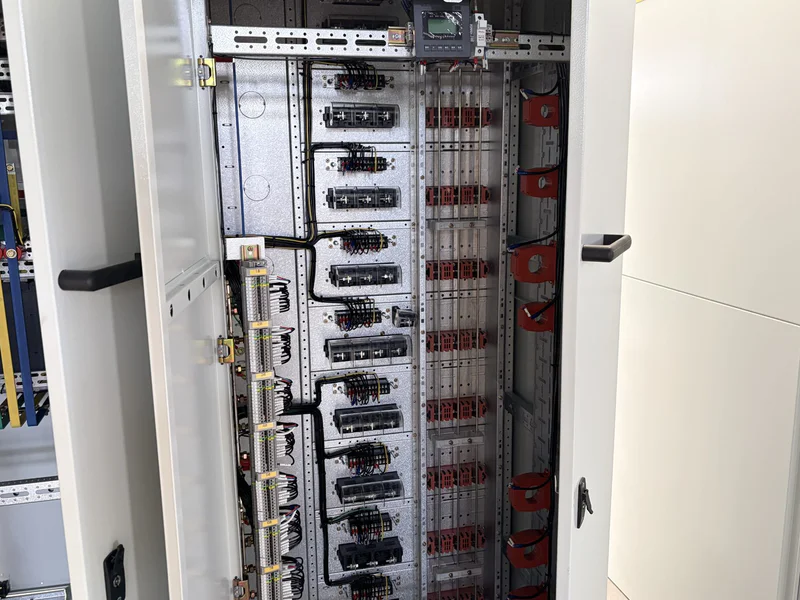
Component Inspection
Incoming components are checked against the approved BOM, including breaker model, current rating, accessories, meters, control devices and terminal parts.
 02Busbar
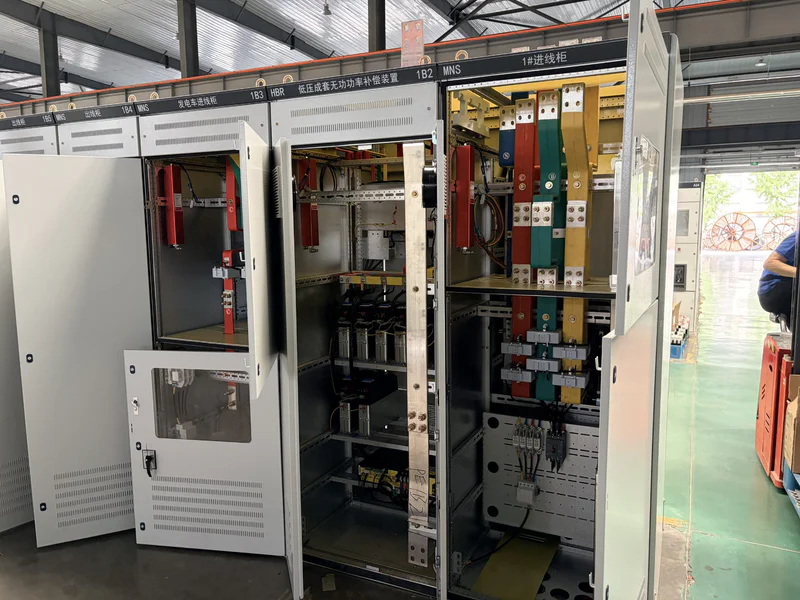
Busbar Inspection
Main busbar, neutral busbar and PE busbar are checked for arrangement, support, phase clearance, joint connection and clear identification.
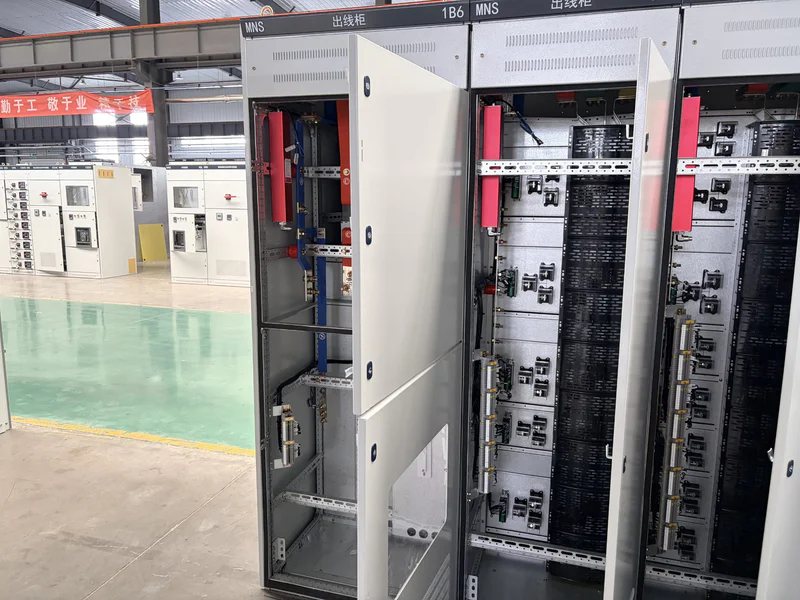 03Wiring
Wiring Inspection
Secondary wiring is checked against the schematic diagram, terminal plan, control logic, wire markers and circuit numbers.
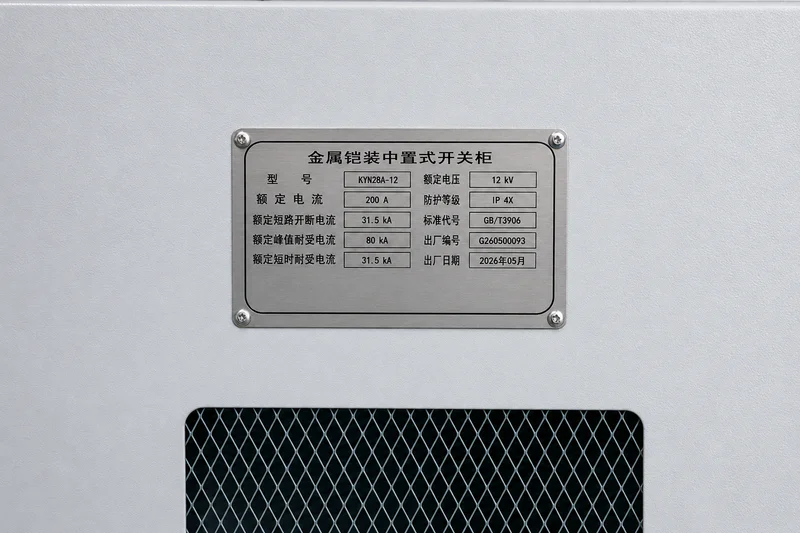 04Labeling
Labeling Check
Device labels, feeder names, terminal numbers, warning signs, nameplates and circuit identification are checked before packing.
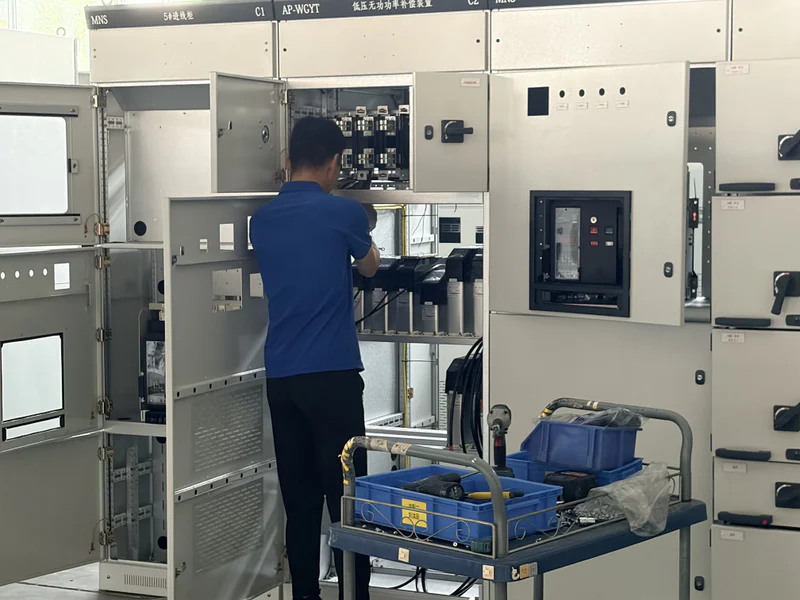 05Mechanical
Mechanical Check
Doors, locks, hinges, interlocks, mounting plates, breaker operation, drawer movement and cable space are inspected before testing.
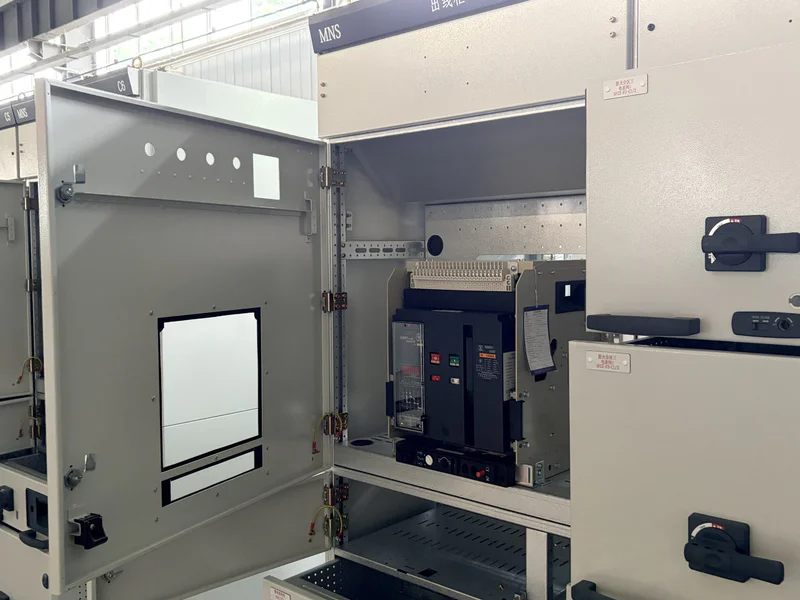 06Electrical
Electrical Function Check
Insulation, continuity, breaker operation, metering, ATS logic, MCC control, APFC operation and signal feedback are tested when applicable.
Every Cabinet Inspected Against Your Approved Drawings
Component matching, busbar assembly, wiring, labeling, mechanical operation and electrical functions are all checked before delivery. Ask for inspection records, test reports and FAT so you see the results before the panels leave the factory.
Factory Testing And FAT Before Delivery
Before delivery, each cabinet can be inspected and tested according to your approved drawings, BOM, project specification and applicable test requirements. FAT documents and test records can be prepared when required.
A Test Sheet You Can Review And Sign Off
Routine tests, function checks and inspection records can be completed and documented before shipment. You can request the full test sheet, FAT report and witness, third-party or remote FAT when your project needs it.
Tested to your drawings against the approved BOM and specification.
Documented results with test records and a full FAT report.
Witness FAT available on site, by third party or remotely.
- Visual Inspection
- Dimension Check
- Wiring Continuity Check
- Insulation Resistance Test
- Dielectric Withstand Test
- Main Circuit Connection Check
- Secondary Circuit Function Test
- Mechanical Operation Test
- Breaker Operation Check
- ATS Transfer Logic Test
- MCC Control Function Test
- APFC Step Operation Test
- Meter And Signal Check
- Protection Setting Check If Required
- Labeling And Nameplate Check
- FAT Report
How We Help Reduce Procurement And Commissioning Risks
LV switchgear problems often come from unclear circuit configuration, wrong breaker selection, poor cable entry planning, incomplete drawings or missing function tests. We review the project information before production to reduce avoidable risks during approval, installation, testing and commissioning.
Wrong Circuit Configuration
We review your SLD, load schedule, panel schedule and feeder list before preparing the panel layout and BOM.
Insufficient Short-circuit Rating
We check fault level, breaker breaking capacity and busbar withstand requirement according to your project data.
Poor Protection Coordination
Incoming breakers, outgoing feeders and downstream panels are reviewed to reduce unnecessary power interruption.
Busbar Overheating Risk
Busbar size, joint connection, support, ventilation and enclosure design are checked against rated current and site conditions.
Cable Entry Problems
Top or bottom cable entry, cable compartment, gland plate and bending space are confirmed before fabrication.
Control Wiring Errors
ATS logic, MCC control, APFC control, metering signals and terminal wiring are checked against approved schematics.
Component Maintenance Difficulty
Component brands are selected by project specification, spare parts availability and maintenance preference.
Approval Document Delays
GA drawings, schematics, BOM, datasheets, test reports, FAT records and O&M documents are prepared when required.
8 Checks
reviewed before production to cut procurement, installation and commissioning risks on your project.
Let Us Review Your Project Before You Order
Send your SLD, load schedule and specification. We check circuit configuration, breaker selection, busbar, cable entry, control wiring and documents, so issues are found on paper and not on site.
Engineering Documents For Project Approval
Your project often needs clear documents for consultant review, EPC submittal, production confirmation, FAT and final handover. We prepare them according to your specification, approved drawings and delivery requirements.
Proposal Stage
Proposal Documents
Approval Stage
Approval Drawings
Design Stage
Electrical & Component Lists
Handover Stage
Test & Handover Documents
Low Voltage Switchgear Project Experience
Different projects need different LV configurations. Below are typical applications where MDB, MCC, ATS, APFC, LV switchboards and distribution panels are designed around your SLD, load schedule, installation space, control logic and document requirements.
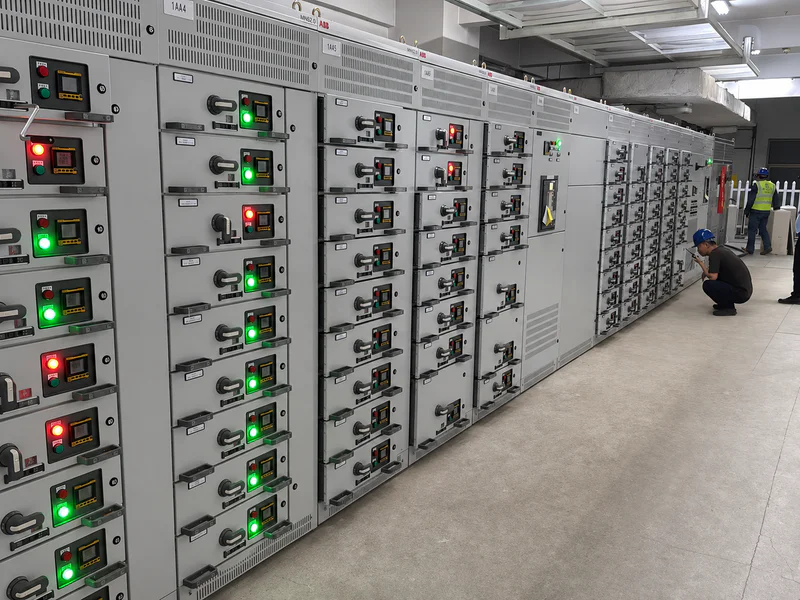 MDB · Commercial Building
MDB Panels For Commercial Building
Office building, shopping mall or mixed-use building power distribution.
Many outgoing feeders, limited electrical room space, strict drawing review and clear circuit identification.
MDB layout with main incomer, outgoing MCCB feeders, metering, bottom or top cable entry, GA drawing, BOM and test report.
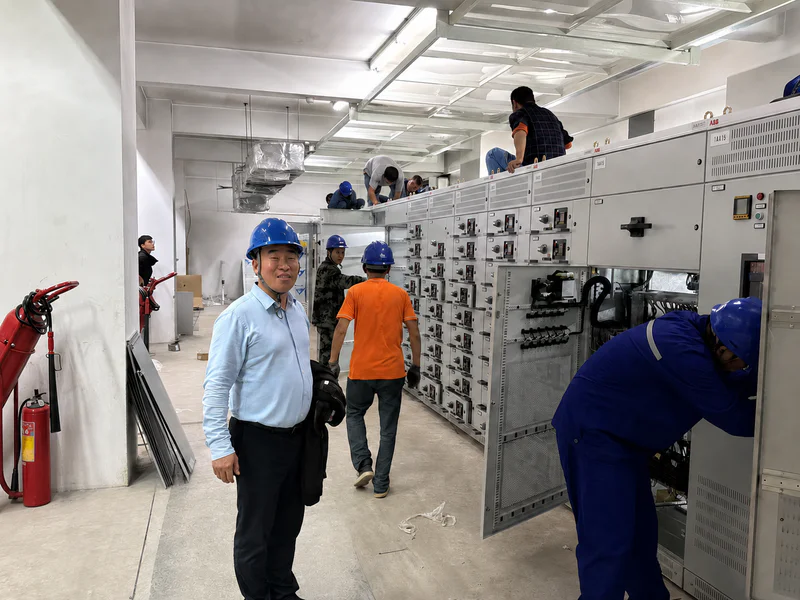 MCC · Industrial Plant
MCC Panels For Industrial Plant
Manufacturing plant, production line, pump system or motor control area.
Multiple motors, mixed starting methods, field signals and maintenance access requirements.
MCC panels with DOL starters, star-delta starters, soft starters, VFD feeders, terminal plans, control wiring and function testing.
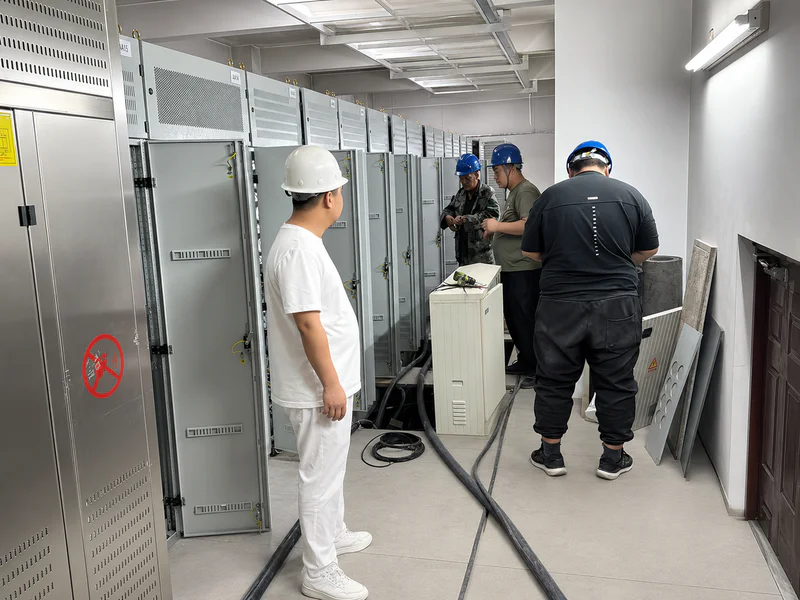 ATS · Emergency Power
ATS Panel For Emergency Power
Hospital, data center, commercial building or emergency power distribution system.
Utility-generator transfer, dual-power supply, interlock logic, status feedback and transfer reliability.
ATS panel with controller, automatic and manual operation, mechanical and electrical interlock, signal terminals and FAT simulation.
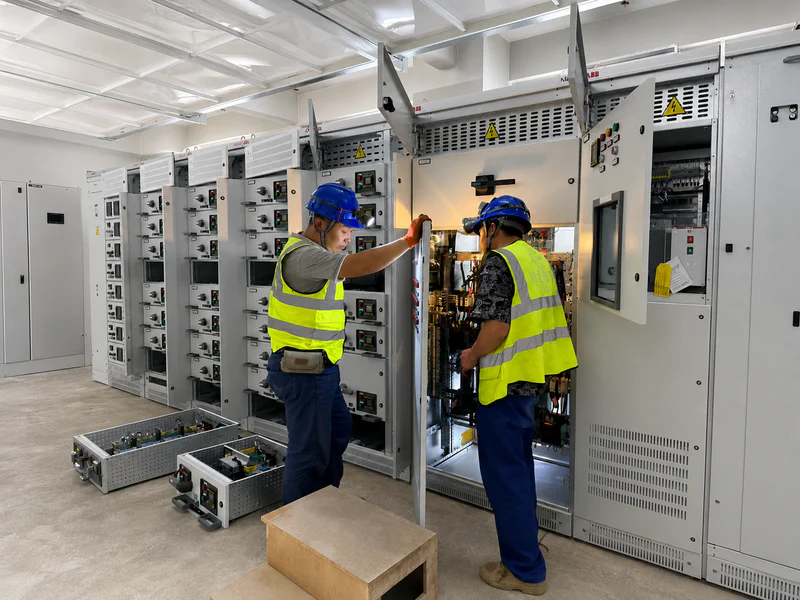 APFC · Factory
APFC Panel For Factory
Factory, workshop, hotel, commercial facility or site with large inductive loads.
Low power factor, capacitor step control, harmonic condition, ventilation and protection requirements.
APFC panel with controller, capacitor steps, contactors, fuses, detuned reactor option, metering and operation test.
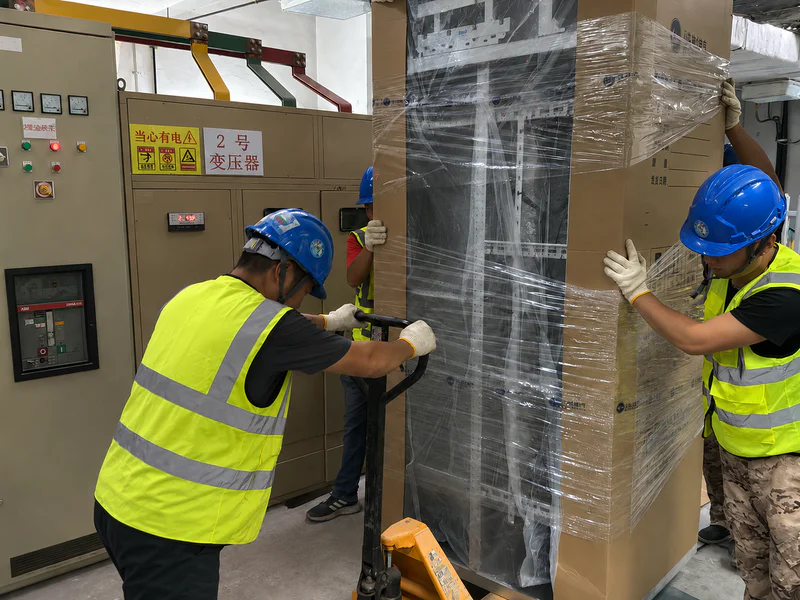 Switchboard · Data Center
LV Switchboards For Data Center
Data center power room, UPS system, generator distribution or critical load distribution.
High reliability, feeder separation, metering, monitoring, short-circuit rating and FAT requirements.
LV switchboards with ACB and MCCB configuration, busbar system, metering, communication terminals, clear feeder arrangement and FAT records.
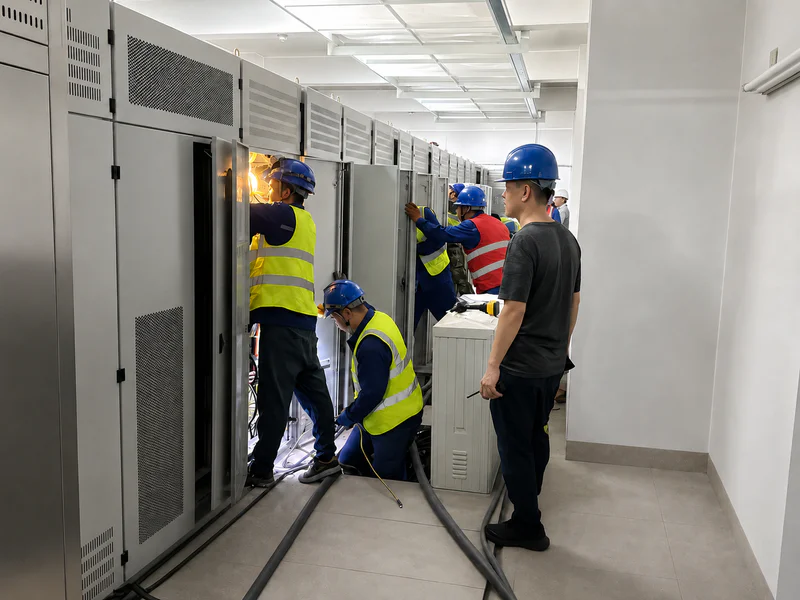 LV · Renewable & BESS
LV Panels For Renewable Energy And BESS
Solar plant, BESS container, PCS feeder, AC combiner or renewable energy distribution system.
Inverter output connection, multiple feeders, metering, communication, cable entry and ventilation requirements.
LV distribution panels with feeder protection, metering, signal terminals, cable entry design, ventilation review and project documents.
How To Buy Low Voltage Switchgear From Our Factory
Buying LV switchgear should start with technical confirmation, not only price comparison. We review your drawings, circuit list, ratings, cable entry, component requirements and documents before production, so the final panels match your project design and site installation needs.
Send Project Information
Send your SLD, load schedule, panel schedule, circuit list, project specification or room layout.
Engineering Review
We review the electrical system, panel quantity, feeder arrangement, rated current, fault level and installation conditions.
Confirm Panel Configuration
Panel type, incoming feeders, outgoing circuits, breaker configuration, busbar rating, cable entry and control requirements are confirmed.
Technical And Commercial Proposal
We prepare the LV switchgear proposal according to the confirmed electrical configuration and project requirements.
Drawing And BOM Approval
GA drawings, schematic diagrams, cable entry drawings, terminal plans and BOM are confirmed before production.
Production And Assembly
Cabinet fabrication, busbar processing, component installation, secondary wiring and labeling are completed to approved drawings.
Factory Testing And FAT
Mechanical checks, electrical tests, secondary function tests, ATS logic, MCC control and APFC operation tests are carried out when applicable.
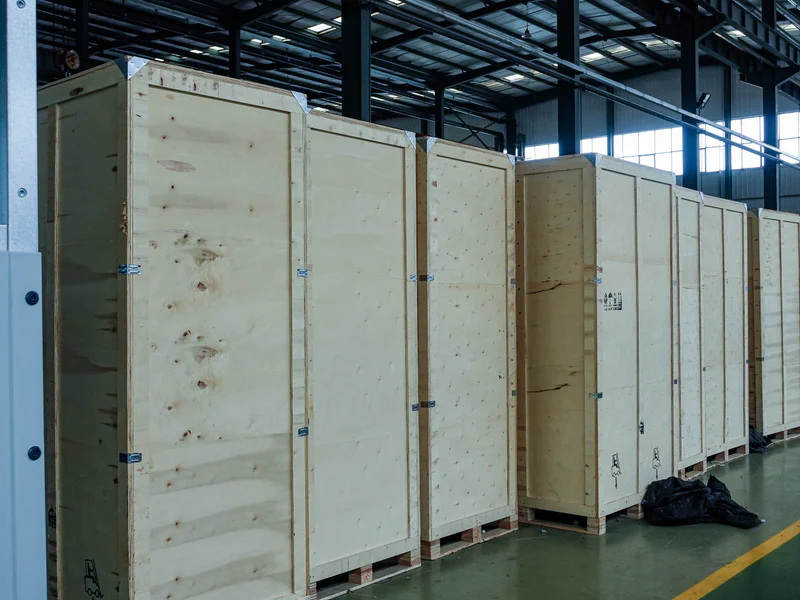
Packing And Shipment
Panels are packed according to shipment method, cabinet size, accessories and project delivery requirements.
Installation Documents And Support
Test records, drawings, packing list, operation manual, maintenance documents and other required files can be prepared for installation and handover.
FAQ About Low Voltage Switchgear Cabinets
Common questions on configuration, breaker selection, busbar design, separation, testing and project documents. If your question is not covered here, send your drawings and we will review it with you.
What information is needed to configure a low voltage switchgear cabinet?
Send your single-line diagram, panel schedule, load schedule, feeder list or project specification. Important details include rated voltage, rated current, transformer capacity, fault level, incoming breaker type, outgoing circuits, cable entry direction, IP rating, form of separation, control voltage, metering, communication and required documents. These inputs help confirm panel type, breaker configuration, busbar rating, internal layout and the technical proposal.
Can LV switchgear be manufactured according to my project SLD?
Yes. LV switchgear can be configured according to your single-line diagram, load schedule and circuit list. The SLD helps confirm the main incomer, outgoing feeders, busbar arrangement, protection devices, metering points, ATS requirements, APFC requirements and downstream panel connections. Before production, drawings and BOM should be reviewed so the cabinet design matches the project electrical system.
How do you select ACB, MCCB and MCB ratings?
Breaker selection is based on load current, fault level, breaking capacity, protection requirement, feeder type and coordination with upstream and downstream devices. ACBs are commonly used for main incomers or large feeders, while MCCBs and MCBs are used for outgoing circuits and smaller loads. The final selection is confirmed according to project specification, short-circuit current and approved component brand requirements.
How is the busbar system designed for an LV switchgear cabinet?
The busbar system is designed according to rated current, short-circuit withstand requirement, panel structure, feeder arrangement, ambient temperature and installation condition. Main busbar, neutral busbar and PE busbar are reviewed together with breaker selection and cable entry. Busbar material, size, support, phase clearance, joint connection and ventilation are important points for stable operation and temperature rise control.
Can you support Form 2, Form 3 or Form 4 separation?
Form of separation can be discussed according to project specification and maintenance requirements. Different separation forms affect the arrangement of busbars, functional units, terminals and cable compartments. For MDB, MCC, PCC and main LV switchboards, internal separation should be confirmed before panel design because it affects cabinet size, accessibility, wiring space, component layout and future maintenance.
Can the cabinet structure match my electrical room layout?
Yes. Panel dimensions, front or rear access, top or bottom cable entry, plinth height, gland plate, cable compartment, door opening direction and maintenance clearance can be reviewed according to your room layout. This confirmation is important before production, because incorrect cable entry or insufficient maintenance space can cause installation problems at site.
Can ATS, MCC and APFC functions be integrated into the LV panel system?
Yes. ATS, MCC and APFC panels can be configured according to your project requirement. ATS systems may include transfer controller, automatic and manual operation, interlock and status signals. MCC panels may include DOL starters, star-delta starters, soft starters or VFD feeders. APFC panels may include power factor controller, capacitor steps, contactors, fuses, detuned reactors and ventilation design.
Can metering, communication and remote signals be added?
Yes. LV switchgear can include multifunction meters, CTs, voltage meters, energy meters, alarm contacts, trip signals, status feedback, RS485 terminals, Modbus communication, Ethernet interface, PLC interface or BMS and SCADA signal points when required. These functions should be confirmed during schematic design so the terminal plan, wiring diagram and FAT procedure can be prepared correctly.
What tests are usually performed before delivery?
Common inspection and test items include visual inspection, dimension check, wiring continuity check, insulation resistance test, dielectric withstand test, main circuit connection check, secondary circuit function test, mechanical operation test, breaker operation check, metering and signal check, labeling check and nameplate check. For specific panels, ATS transfer logic, MCC control function and APFC step operation can also be tested.
What documents can be provided for project approval and handover?
Available documents can include technical datasheet, commercial quotation, GA drawing, internal layout drawing, foundation drawing, schematic diagram, control wiring diagram, terminal plan, cable entry drawing, BOM, component list, breaker list, CT list, metering list, compliance statement, technical deviation sheet, routine test report, FAT report, operation manual, maintenance manual, packing list, quality certificate and certificate of origin.
Send Your LV Switchgear Requirements
Send your single-line diagram or a rough scope. Arlo replies personally within 24 hours with a proposal, drawings and a clear next step.
Hi, I'm Arlo.
Your LV Switchgear Project Contact
Every message here reaches me directly, no bots, no junior reps. Send what you have and I come back with technical answers, not a brochure.
A single-line diagram or rough scope is enough to start. We've turned rough requirements into delivered LV switchgear for EPC contractors and project engineers across 45+ countries.
+86 153 0640 9721
Reply Time
Within 24 Hours
Tell Us About Your Project
Fields marked are required.