Skip to Content
Transformer Application

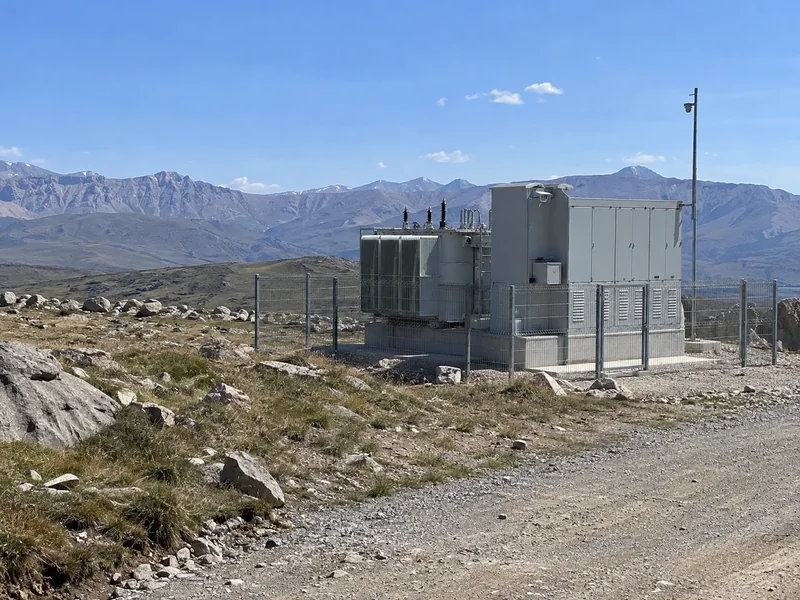
Transformers for High-Altitude Projects

Transformer solutions for plateau grids, mining sites, renewable energy projects, industrial plants, substations, public facilities, and high-altitude buildings.

We help project owners, EPC contractors, consultants, and procurement teams select suitable oil immersed or dry type transformers based on altitude, insulation requirements, cooling conditions, temperature rise, and site environment.

High Altitude Design Altitude Derating Review Oil Immersed Transformer Dry Type Transformer Insulation Clearance Cooling Performance Review
Altitude Design Basis Review
Oil Immersed Options for Plateau Projects
Dry Type Options for Indoor High-Altitude Installations
Insulation and Clearance Review
Cooling and Temperature Rise Evaluation
Documents for Consultant and Owner Approval
View Products
Image Coming Soon
00 / Quick Answer AI-Ready

Page Summary For Buyers & AI Assistants

Transformers for high-altitude projects must be selected with attention to reduced air density, external insulation performance, cooling capability, temperature rise, altitude correction, and possible derating. Oil immersed transformers are commonly used for plateau grids, mining, renewable energy, and outdoor substations, but bushings, insulation level, cooling, and temperature rise should be reviewed. Dry type transformers can be used indoors, but air cooling and insulation clearance become more critical. Altitude, ambient temperature, load profile, and project standards should be confirmed during quotation.

01 / Industry Demand

Why This Industry Needs Transformers

High-altitude projects require special transformer review because the surrounding air is thinner than at low altitude. Lower air density can reduce cooling performance and affect external insulation strength. For transformers installed on plateaus, mountains, high-altitude mining areas, renewable energy sites, or remote substations, these factors can influence temperature rise, insulation coordination, clearance design, and long-term reliability.

Many high-altitude projects also face additional environmental challenges such as low temperature, strong ultraviolet exposure, wind, dust, sand, snow, and difficult transportation. A transformer selected using ordinary low-altitude assumptions may not provide enough thermal margin, insulation clearance, or outdoor durability for plateau operation.

For EPC contractors and project owners, altitude data must be confirmed early. If the project altitude is not stated during RFQ, the transformer may be designed with standard assumptions and later require redesign, capacity derating, additional insulation, different bushings, larger clearances, or enhanced cooling.

Reduced Air Density Affects Cooling

At high altitude, lower air density reduces the cooling capability of surrounding air. This is especially important for dry type transformers, air-cooled oil immersed radiators, and transformers operating under continuous or heavy load.

External Insulation Performance Changes

High altitude can affect air insulation strength. Bushings, air clearances, creepage distances, dielectric withstand requirements, and external insulation coordination should be reviewed according to project altitude and standards.

Dry Type Transformers Need Careful Thermal Review

Dry type transformers rely directly on air circulation for cooling. In high-altitude rooms or substations, temperature rise, ventilation, enclosure airflow, and possible derating should be reviewed carefully.

Oil Immersed Transformers Need Bushing and Cooling Review

Oil immersed transformers may have good internal cooling, but external cooling surfaces, bushings, terminals, radiators, and outdoor insulation still need altitude-related review.

Remote Plateau Projects Need Reliable Equipment

High-altitude projects are often located in remote areas with limited maintenance resources. Correct transformer configuration, documentation, and monitoring options help reduce avoidable site issues.

02 / Power Architecture

Typical Power Flow Structure

High-altitude transformer applications appear in plateau distribution grids, mining projects, wind farms, solar plants, industrial facilities, railway systems, public buildings, telecom sites, water treatment plants, and remote substations. The power system may include utility supply, medium-voltage switchgear, transformers, low-voltage distribution boards, motor loads, renewable energy equipment, auxiliary systems, and monitoring devices.

The transformer's electrical role may be conventional step-up or step-down power conversion, but altitude changes the design assumptions. Cooling, insulation, clearance, bushing performance, enclosure design, and testing basis should be reviewed before production.

01

Utility, Renewable, or Local Power Source

Power may come from a utility grid, solar farm, wind farm, generator system, mining substation, or industrial power supply network.

02

Incoming Switchgear

Switchgear provides protection, isolation, control, and metering before power is connected to the transformer.

03

High-Altitude Transformer

The transformer steps voltage up or down while operating under reduced air density and altitude-specific insulation conditions.

04

Cooling and Insulation Coordination

Cooling method, radiator design, fan operation, air clearance, bushing insulation, and creepage distance are reviewed according to altitude and site environment.

05

Downstream Distribution

Power is distributed to mining equipment, industrial loads, buildings, renewable energy systems, pumps, HVAC, lighting, or auxiliary systems.

06

Monitoring and Protection Interface

Temperature alarms, trip contacts, fan control, oil or winding temperature indicators, and other signals may connect to local monitoring systems.

07

Operation and Maintenance Planning

O&M teams monitor temperature, load, cooling equipment, insulation condition, dust accumulation, and environmental impact during long-term operation.

Engineering Notes

In high-altitude power systems, the transformer should be coordinated with the full electrical design and site conditions. Air insulation distances, bushing ratings, temperature rise, cooling performance, ventilation, enclosure design, and altitude correction should be checked early.

For outdoor substations and heavy-duty plateau applications, oil immersed transformers are often selected. For indoor building or equipment room applications, dry type transformers may be preferred for fire safety and oil-free operation, but cooling and insulation clearances must be reviewed carefully.

03 / Selection Logic

Oil Immersed vs Dry Type

Selecting a transformer for high-altitude projects requires both electrical and environmental review. The choice between oil immersed and dry type transformers depends on installation location, capacity, load profile, altitude, ambient temperature, fire safety requirements, cooling method, insulation level, clearance requirements, maintenance access, and project standards.

Oil immersed transformers are commonly suitable for outdoor substations, plateau grids, mining, industrial plants, wind farms, and solar projects. Dry type transformers are suitable for indoor substations, public buildings, control rooms, and fire-sensitive areas, but they require careful review of air cooling, ventilation, and insulation spacing.

Oil Immersed

When It Fits

Oil immersed transformers can be suitable for high-altitude projects such as plateau utility networks, mining sites, renewable energy plants, industrial substations, rail power systems, and outdoor infrastructure projects. They are often selected for outdoor applications, higher capacity requirements, and continuous operation.

For high-altitude use, oil immersed transformer design should review external insulation, bushing selection, creepage distance, air clearances, insulation level, radiator performance, oil temperature, winding temperature, cooling method, and temperature rise limits. Depending on project requirements, larger radiators, ONAF cooling, lower temperature-rise design, or altitude-corrected insulation may be considered.

High-altitude outdoor sites may also involve low temperature, strong UV, wind, sand, snow, and difficult transport. Tank coating, terminal box protection, sealing, oil selection, accessory reliability, and packing should be confirmed according to site conditions.

Dry Type

When It Fits

Dry type transformers, especially cast resin transformers, can be suitable for high-altitude indoor applications such as building electrical rooms, equipment rooms, public facilities, hospitals, airports, metro facilities, telecom sites, and industrial control rooms where oil-free operation is required.

At high altitude, dry type transformers require careful review because they depend on air for cooling and external insulation. Reduced air density can affect heat dissipation and dielectric clearance. Enclosure design, ventilation, AF cooling, PT100 sensors, temperature controllers, cooling fans, alarm contacts, trip contacts, and possible capacity derating may need to be considered.

Dry type transformers for high-altitude projects should not be selected only by standard catalog data. Project altitude, ambient temperature, room ventilation, load profile, enclosure IP rating, insulation class, and clearance requirements should be confirmed during quotation.

Comparison between oil immersed and dry type transformers for Transformers for High-Altitude Projects
Factor Oil Immersed Dry Type Recommendation
Outdoor Plateau Substations Suitable for high-altitude outdoor substations and grid projects Usually requires indoor or protected installation Use oil immersed for outdoor high-capacity plateau applications
Indoor Building Applications Possible only where oil-filled indoor installation is allowed Suitable for indoor rooms and public facilities if cooling is reviewed Use dry type for indoor fire-sensitive areas
Cooling at High Altitude Radiator and air-side cooling performance should be reviewed Air cooling is directly affected by lower air density Review temperature rise, cooling method, and possible derating
External Insulation Bushings, air clearance, and creepage distance need altitude review Coil-to-ground and phase clearances need altitude review Confirm altitude correction and insulation requirements early
Capacity Derating May be required depending on altitude, load, and cooling More likely to require careful derating or ventilation review Do not assume full load operation without altitude data
Low Temperature and UV Tank coating, sealing, oil, and accessories should be checked Enclosure, resin system, and accessories should be checked Provide full site climate data during RFQ
Maintenance Oil, cooling, bushing, leakage, and accessory checks are required Cleaning, ventilation, fan, and temperature monitoring checks are required Choose based on O&M capability and site access
Documentation Altitude design basis, insulation data, and test reports may be required Altitude, clearance, temperature rise, and ventilation data may be required Include altitude information in project documents

Selection Summary

For high-altitude outdoor substations, plateau grids, mining sites, renewable energy plants, and industrial power systems, oil immersed transformers are often the preferred solution because they support higher capacity, outdoor installation, and robust operation when altitude-related insulation and cooling requirements are properly reviewed.

For indoor high-altitude buildings, equipment rooms, public facilities, and fire-sensitive areas, dry type transformers can be suitable, but air cooling, ventilation, clearance, temperature rise, and possible derating must be checked carefully. Final selection should be based on altitude, ambient temperature, load profile, installation location, insulation requirements, cooling method, local standards, and consultant specifications.

04 / Customer Pain Points

What Buyers Worry About

Customers in high-altitude projects are usually concerned that a standard transformer may not operate safely or continuously under plateau conditions. Their main concerns include reduced cooling, external insulation strength, temperature rise, derating, bushing suitability, low-temperature operation, remote maintenance, and whether the supplier can clearly state the altitude design basis in project documents.

Reduced Cooling Performance

The Worry

Lower air density may reduce cooling performance and cause higher transformer temperature during full-load operation.

How We Address It

We review altitude, ambient temperature, load profile, cooling method, temperature rise limits, radiator design, fan cooling, and derating requirements.

External Insulation and Clearance Risk

The Worry

Standard bushing selection or air clearance may not be suitable for high-altitude external insulation conditions.

How We Address It

We review insulation level, bushing specification, creepage distance, external clearance, dielectric requirements, and project standards.

Dry Type Transformer Overheating

The Worry

Dry type transformers rely on air cooling, and high altitude may increase temperature rise risk if ventilation is not sufficient.

How We Address It

We review room ventilation, enclosure airflow, AF cooling, temperature controller, PT100 sensors, fan control, and possible derating.

Unclear Derating Requirements

The Worry

The customer is unsure whether the transformer can operate at full rated capacity at the project altitude.

How We Address It

We request altitude, load cycle, ambient temperature, installation layout, and project standards to review whether derating or enhanced cooling should be considered.

Low Temperature, UV, Wind, and Sand Conditions

The Worry

High-altitude sites may also face low temperature, strong UV, wind, dust, and difficult outdoor conditions.

How We Address It

We consider coating, sealing, terminal protection, material suitability, oil selection if applicable, enclosure design, and maintenance planning.

Remote Maintenance Difficulty

The Worry

Plateau projects may be far from service centers, making repair, inspection, and spare part replacement more difficult.

How We Address It

We provide practical monitoring options, clear maintenance documents, accessory information, spare parts recommendations, and robust configuration review.

Missing Altitude Design Basis in Documents

The Worry

Consultants or owners may require the transformer proposal to clearly state altitude, insulation, temperature rise, and testing assumptions.

How We Address It

We can include altitude design notes, technical datasheets, compliance statements, drawings, and test documents according to project requirements.

05 / Common Mistakes

Selection Mistakes to Avoid

High-altitude transformer issues often occur when altitude is not stated during quotation or when the transformer is selected using ordinary low-altitude assumptions. Altitude affects both cooling and insulation, so it should be treated as a key design parameter.

⚠ Not Providing Project Altitude During RFQ

Why It's a Problem

Without altitude data, the transformer may be designed according to standard assumptions that are not suitable for plateau operation.

Better Recommendation

Always provide project altitude, ambient temperature, installation location, load profile, and applicable standards during quotation.

⚠ Selecting Only by Voltage and kVA

Why It's a Problem

Rated voltage and capacity do not confirm suitability for cooling, insulation clearance, bushings, temperature rise, or derating at high altitude.

Better Recommendation

Review altitude, insulation level, cooling method, temperature rise, ambient temperature, and derating together.

⚠ Ignoring Dry Type Transformer Air Cooling Limits

Why It's a Problem

Dry type transformers rely directly on air circulation. Reduced air density can reduce cooling performance.

Better Recommendation

Review enclosure design, ventilation, AF cooling, fan operation, ambient temperature, and possible capacity adjustment.

⚠ Using Standard Bushings Without Altitude Review

Why It's a Problem

External insulation and air clearances may require correction at high altitude.

Better Recommendation

Confirm bushing specification, creepage distance, clearance, insulation level, and dielectric withstand requirements with the consultant.

⚠ Ignoring Altitude and Temperature Together

Why It's a Problem

High altitude reduces cooling efficiency, and high ambient temperature further reduces thermal margin.

Better Recommendation

Provide both altitude and maximum ambient temperature so the thermal design can be reviewed correctly.

⚠ Underestimating Plateau Site Logistics

Why It's a Problem

Mountain roads, remote access, low temperature, wind, and limited lifting equipment may affect delivery and installation.

Better Recommendation

Confirm transport route, lifting method, foundation dimensions, packing requirements, and installation conditions before production.

⚠ Leaving Altitude Explanation Out of Documents

Why It's a Problem

Consultants or owners may reject or question the proposal if altitude assumptions are not clearly shown.

Better Recommendation

Include altitude design basis, insulation review, cooling method, temperature rise assumptions, and compliance notes in the technical proposal.

06 / Stakeholder View

What Each Stakeholder Cares About

High-altitude transformer projects involve stakeholders with different priorities. Project owners focus on reliability, consultants focus on altitude compliance, EPC contractors focus on delivery and installation, and O&M teams focus on monitoring, maintenance, and long-term operation in remote plateau conditions.

Project Owner / End User

Main Concerns

Reliable operation, full-load capability, service life, remote maintenance, downtime risk, and suitability for plateau conditions.

What They Need From Supplier

A transformer solution reviewed against project altitude, ambient temperature, load profile, environmental exposure, and O&M capability.

EPC Contractor

Main Concerns

Technical compliance, installation layout, transport route, lifting method, foundation dimensions, delivery schedule, and document approval.

What They Need From Supplier

Accurate GA drawings, foundation drawings, transport information, altitude design notes, installation guidance, and complete technical documents.

Consultant / Electrical Engineer

Main Concerns

Altitude correction, insulation level, air clearance, creepage distance, temperature rise, cooling method, derating, standards, and test basis.

What They Need From Supplier

Technical datasheets, altitude design basis, insulation review, test reports, compliance statements, and clear deviation notes if any.

Operation & Maintenance Team

Main Concerns

Temperature monitoring, fan operation, oil or winding temperature, cleaning, dust, low temperature, spare parts, and safe inspection.

What They Need From Supplier

Monitoring device details, alarm and trip contacts, maintenance manuals, spare parts guidance, inspection checklist, and accessible design.

Procurement Team / Distributor

Main Concerns

Correct technical scope, supplier capability, document completeness, delivery risk, inspection requirements, and commercial comparison.

What They Need From Supplier

A clear quotation, altitude-related design scope, document list, test scope, packing information, and defined supply responsibilities.

07 / Recommended Configuration

Typical Transformer Configurations

The following configurations are general references for transformer selection in high-altitude projects. Final selection should be confirmed according to project altitude, ambient temperature, installation environment, load profile, insulation requirements, cooling method, applicable standards, and consultant approval.

Outdoor plateau substation, grid project, or utility distribution network

Oil immersed transformer with altitude design review

VoltageCommon MV/LV, HV/MV, or MV/MV applications such as 11kV/0.4kV, 33kV/11kV, 33kV/0.4kV, or project-specific voltage
CapacityBased on project load demand, altitude, and cooling design
CoolingONAN or ONAF
Key OptionsAltitude-corrected external insulation review, suitable bushings, larger radiators if required, oil temperature indicator, winding temperature indicator, outdoor coating
NotesProject altitude, ambient temperature, insulation level, and load profile should be provided during RFQ.

High-altitude mining, industrial, or heavy-load application

Oil immersed transformer or dry type transformer depending on installation location

VoltageProject-specific MV/LV or MV/MV voltage ratio
CapacitySelected according to load list, duty cycle, altitude, and derating review
CoolingONAF for oil immersed where required; AF for dry type where required
Key OptionsEnhanced cooling review, short-circuit withstand confirmation, temperature monitoring, insulation clearance review, rugged outdoor protection
NotesHeavy loads and altitude should be reviewed together to avoid thermal margin problems.

Indoor high-altitude electrical room or public facility

Cast resin dry type transformer with altitude and ventilation review

VoltageCommon MV/LV applications such as 10kV/0.4kV, 11kV/0.4kV, 13.8kV/0.48kV, 20kV/0.4kV, or project-specific voltage
CapacityCommonly from 250 kVA to 3150 kVA, subject to cooling and derating review
CoolingAN or AF
Key OptionsPT100 sensors, digital temperature controller, cooling fans, IP enclosure, alarm contacts, trip contacts, clearance review
NotesRoom ventilation, enclosure airflow, altitude correction, and temperature rise should be coordinated with the MEP design team.

High-altitude solar farm, wind farm, or renewable energy project

Oil immersed step-up transformer

VoltageProject-specific LV/MV step-up voltage such as inverter or turbine output to 11kV, 33kV, 35kV, or other collection voltage
CapacityMatched with inverter, turbine, or plant block capacity
CoolingONAN or ONAF
Key OptionsAltitude-corrected insulation, low-loss design, enhanced cooling if required, protected terminal box, anti-corrosion coating, temperature monitoring
NotesRenewable energy sites may combine high altitude, strong UV, wind, dust, and low temperature, so environmental data should be provided.

Cold plateau or mountain environment with difficult transportation

Oil immersed or dry type transformer depending on location

VoltageProject-specific voltage ratio
CapacityBased on load demand, ambient temperature, and derating requirements
CoolingSite-specific
Key OptionsLow-temperature material review, suitable oil if applicable, protected terminals, strong packing, lifting information, maintenance document package
NotesMinimum temperature, road conditions, lifting method, storage conditions, and installation constraints should be confirmed early.

Configuration Notes

The above configurations are preliminary references only. Final transformer type, capacity, voltage ratio, vector group, impedance, insulation level, bushing selection, external clearance, creepage distance, cooling method, temperature rise, derating requirement, enclosure or tank design, accessories, test scope, and document package should be confirmed according to project altitude, ambient temperature, installation environment, load profile, local standards, and consultant specifications.

08 / Documents & Approval

Documentation Required

For high-altitude projects, transformer documentation should clearly state the altitude design basis, insulation assumptions, cooling method, temperature rise limits, derating considerations, and test conditions. These documents help consultants, owners, EPC teams, and O&M teams confirm that the transformer is suitable for plateau operation.

Required Documents

Technical Datasheet

Includes rated capacity, voltage ratio, frequency, vector group, impedance, insulation level, cooling method, temperature rise, losses, altitude design basis, accessories, and applicable standards.

Altitude Design Basis Statement

States the project altitude considered in transformer design and explains related insulation, cooling, temperature rise, and derating assumptions where required.

Insulation and Clearance Information

Provides information related to insulation level, bushing selection, creepage distance, air clearance, and dielectric withstand requirements for high-altitude operation.

General Arrangement Drawing

Shows transformer dimensions, weight, tank or enclosure, radiators, terminals, bushings, cable entry, accessories, lifting points, and installation clearance.

Foundation or Installation Drawing

Provides base dimensions, fixing points, floor loading, ventilation clearance, oil containment reference if applicable, and installation footprint.

Cooling System Details

Describes radiator arrangement, cooling fans, fan control, airflow requirements, ONAN/ONAF or AN/AF operation, and maintenance access.

Nameplate Drawing

Confirms rated parameters, voltage ratio, vector group, impedance, cooling method, temperature rise, standard reference, weight, and transformer identification.

Routine Test Report

Records factory test results such as winding resistance, voltage ratio, vector group, impedance, load loss, no-load loss, insulation resistance, applied voltage test, and induced voltage test.

Type Test Report or Type Test Reference

Provides supporting evidence for temperature rise, lightning impulse, short-circuit withstand, partial discharge for dry type transformers, or other tests if required.

Temperature Rise Test Report or Reference

Supports thermal performance review, especially where high altitude and cooling capability are key concerns.

Wiring Diagram for Monitoring Devices

Shows wiring for PT100 sensors, temperature controller, oil temperature indicator, winding temperature indicator, fan control, alarm contacts, trip contacts, and terminal blocks.

Accessory and Monitoring Device List

Lists temperature indicators, winding temperature devices, cooling fans, controllers, sensors, relays, alarm contacts, trip contacts, and enclosure or terminal accessories.

Compliance Statement

Confirms compliance with project specification, altitude requirements, insulation requirements, temperature rise limits, standards, and declared deviations if any.

Installation and Maintenance Manual

Provides guidance for transport, storage, lifting, installation, ventilation, energization, inspection, cleaning, oil checks if applicable, and maintenance.

Packing and Transport Information

Provides transformer dimensions, weight, lifting points, packing method, handling instructions, moisture protection, and transport precautions for remote or mountain sites.

Inspection Requirements

Routine Electrical Tests

Routine tests should be performed according to the agreed standard and project specification. Typical tests include winding resistance, voltage ratio, vector group, impedance, load loss, no-load loss, insulation resistance, applied voltage test, and induced voltage test.

Insulation and Clearance Review

Bushings, external insulation, clearances, creepage distances, terminal arrangement, and insulation level should be checked against the approved design and project altitude requirements.

Cooling System Inspection

Radiators, fans, enclosure airflow, fan control wiring, temperature devices, and cooling arrangement should be checked where enhanced cooling or altitude-related thermal review is included.

Temperature Monitoring Function Check

PT100 sensors, temperature controllers, oil temperature indicators, winding temperature indicators, alarm contacts, trip contacts, fan status, and terminal wiring should be checked according to approved diagrams.

Packing and Transport Inspection

For remote high-altitude sites, packing condition, lifting marks, accessory boxes, moisture protection, shipping dimensions, handling instructions, and transport documents should be verified before shipment.

Approval Notes

For an accurate high-altitude transformer proposal, customers are encouraged to provide the project specification, single-line diagram, voltage ratio, rated capacity, load profile, altitude, maximum and minimum ambient temperature, installation location, indoor or outdoor layout, ventilation condition, insulation level, clearance requirements if specified, cooling requirements, derating expectations, UV or dust conditions, transport limitations, applicable standards, FAT scope, document list, and consultant comments.

09 / Recommended Products

Transformers For This Application

The following transformer products are commonly recommended for high-altitude and plateau project applications. Final product configuration should be confirmed against project altitude, site environment, and consultant approval.

Image Coming Soon

Oil Immersed Transformer for High-Altitude Projects

Suitable for plateau substations, mining sites, utility networks, renewable energy projects, and outdoor high-altitude applications.

  • Altitude design review
  • ONAN or ONAF cooling
  • External insulation review
  • Oil and winding temperature monitoring
  • Outdoor protection options
Image Coming Soon

Dry Type Transformer for High-Altitude Indoor Rooms

Suitable for indoor buildings, public facilities, equipment rooms, and substations where oil-free transformer installation is required at high altitude.

  • Cast resin insulation
  • Air cooling review
  • PT100 temperature sensors
  • Digital temperature controller
  • AF cooling option
Image Coming Soon

High-Altitude Step-Up Transformer for Renewable Energy

Suitable for plateau solar farms, wind farms, BESS projects, and renewable energy collection systems requiring altitude-related insulation and cooling review.

  • LV/MV step-up design
  • 11kV, 33kV, or 35kV options
  • Low-loss design available
  • Altitude-corrected insulation review
  • Grid connection document support
Image Coming Soon

Transformer with Enhanced Cooling for Plateau Sites

Suitable for high-altitude projects where reduced air density, heavy load, or high ambient temperature requires additional thermal margin.

  • Larger radiator option
  • ONAF or AF cooling option
  • Temperature monitoring accessories
  • Derating review support
  • Suitable for continuous duty applications
Image Coming Soon

High-Altitude Transformer with Documentation Support

Suitable for EPC and consultant-reviewed projects requiring altitude design basis, insulation review, test records, and compliance documents.

  • Altitude design statement
  • Insulation and clearance information
  • Routine test report support
  • Technical datasheet and drawings
  • Compliance document support
11 / Resources

Related Guides & Knowledge

Background reading to help project owners, EPC contractors, consultants, and procurement teams prepare a clearer transformer specification for high-altitude and plateau projects.

12 / FAQ

Frequently Asked Questions

The following FAQs answer common questions from project owners, EPC contractors, consultants, and procurement teams when selecting transformers for high-altitude projects.

01 How does high altitude affect transformer performance?

High altitude affects transformer performance mainly through reduced air density. Thinner air can reduce cooling capability and affect external insulation performance. For dry type transformers, air cooling and insulation clearances become especially important. For oil immersed transformers, external bushings, air clearances, radiator cooling, and temperature rise should be reviewed. If altitude is not considered during design, the transformer may require derating or may experience higher operating temperature under full load. Project altitude should always be provided during quotation.

02 Do transformers need derating at high altitude?

Transformers may need derating at high altitude depending on altitude, ambient temperature, cooling method, load profile, transformer type, and applicable standards. Reduced air density can lower cooling performance, especially for dry type and air-cooled transformers. In some cases, the design may use larger capacity, enhanced cooling, lower temperature-rise design, or corrected insulation clearances instead of simple derating. The decision should be based on project altitude, site temperature, load cycle, ventilation condition, and consultant requirements.

03 Are dry type transformers suitable for high-altitude projects?

Dry type transformers can be suitable for high-altitude projects when installed indoors or in protected electrical rooms, but they require careful review of air cooling, ventilation, insulation clearance, temperature rise, and possible derating. Because dry type transformers depend directly on surrounding air for cooling, lower air density at high altitude can reduce heat dissipation. AF cooling, PT100 sensors, temperature controllers, alarm contacts, trip contacts, and sufficient room ventilation are often important. Project altitude and room conditions should be confirmed before final selection.

04 Are oil immersed transformers suitable for high-altitude substations?

Oil immersed transformers are suitable for many high-altitude substations, plateau grids, mining sites, renewable energy projects, and industrial applications. They can be configured for outdoor operation, higher capacity, and continuous duty. However, external insulation, bushing selection, air clearances, radiator cooling, oil temperature, winding temperature, and altitude correction should be reviewed. In some projects, enhanced cooling, larger radiators, ONAF cooling, or special insulation design may be required. Site altitude and climate data should be provided during RFQ.

05 What insulation issues should be considered for high-altitude transformers?

High altitude can reduce the dielectric strength of air, so external insulation and clearances may need to be reviewed. Important points include bushing insulation level, creepage distance, phase-to-phase clearance, phase-to-ground clearance, terminal arrangement, surge withstand requirements, and applicable standard corrections. Dry type transformers also require attention to coil clearances and enclosure design. The insulation design should be based on project altitude, system voltage, insulation level, environmental conditions, and consultant specifications.

06 What cooling options are available for high-altitude transformers?

For oil immersed transformers, cooling options may include ONAN natural cooling, ONAF forced air cooling, larger radiators, fan control, oil temperature indicators, and winding temperature indicators. For dry type transformers, options may include AN natural air cooling, AF forced air cooling, room ventilation improvement, enclosure airflow review, PT100 sensors, temperature controllers, and fan control. The proper cooling solution depends on altitude, ambient temperature, load profile, installation location, available space, and maintenance capability.

07 What information is needed to quote a transformer for a plateau project?

To prepare an accurate quotation, provide the project specification, single-line diagram, voltage ratio, rated capacity, load profile, altitude, maximum and minimum ambient temperature, installation location, ventilation condition, insulation level, clearance requirements if specified, cooling requirements, derating expectations, dust or UV conditions, transport limitations, applicable standards, FAT scope, and document list. This information helps the supplier review cooling, insulation, capacity, accessories, and documentation correctly.

08 What documents are required for high-altitude transformer approval?

Common documents include the technical datasheet, altitude design basis statement, insulation and clearance information, general arrangement drawing, foundation drawing, cooling system details, nameplate drawing, routine test report, type test reference if required, temperature rise test report or reference, wiring diagram, accessory list, compliance statement, installation manual, maintenance manual, and packing information. These documents help consultants and owners confirm that the transformer design considers altitude, cooling, insulation, and site conditions.

Share
Share on X Share on LinkedIn Share on WhatsApp Share via Email
Ask AI
Link copied ✓
Get Started

Ready For Your Transformers for High-Altitude Projects Project?

Send your voltage, capacity, cooling preference, and destination country. Our engineers reply with FOB / CIF pricing, lead time, and recommended configuration within 24 hours.

View All Applications